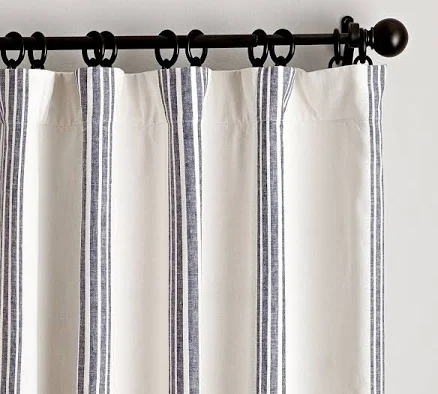
Pottery Barn Riviera Striped Light Filtering Curtain
Avoid until Pottery Barn names the treatment chemicals used in light-filtering.
Pottery Barn's Riviera striped curtains use an undisclosed light-filtering treatment on polyester, which often involves PFAS-based water repellents and optical brighteners. The brand offers no transparency on coating chemistry.
The better-graded swap
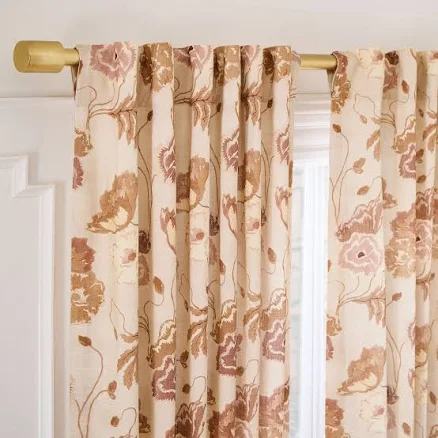
West Elm
West Elm Poppy Blooms Curtain Set of 2
75/100 safety
Same rubric that flunked this product. The swap earned Excellent.
Still want this one anyway? Check the price on Amazon. We’d swap it.
Material
Polyester blend with light-filtering treatment/finish
Lab data
No public lab test
You may also be interested in
Top-graded picks in the categories readers replace first, every one scored on the same rubric.

- polypropylene filter housing, carbon/sediment cartridge
- We found no PFAS statement from the brand
- Bacterial growth in spent cartridges
3 hazards checked on this product, all on its full breakdown.

Aquasure
Premier Series 75 GPD Under Sink Reverse Osmosis Water Filtration System
- RO membrane, carbon filters, stainless steel housing
- We found no PFAS statement from the brand
- Bacterial and microbial growth in housing and filters
4 hazards checked on this product, all on its full breakdown.

Avocado
Vegan Mattress
- organic cotton, natural latex, coconut coir, recycled steel coils
- The brand calls it PFAS-free, which we have not verified
- Heavy metals
2 hazards checked on this product, all on its full breakdown.
What Pottery Barn Riviera Striped Light Curtain is made of, ingredients and materials
This curtain is a polyester blend with an unnamed light-filtering finish applied to the fabric. Polyester itself is a stable plastic fiber, but the finish chemistry, which Pottery Barn has not publicly disclosed, is the primary concern. Light-filtering treatments often rely on chemical coatings to reduce solar transmission; without disclosure, the specific resin or fluorine-based compounds cannot be assessed. The weave and finish combination determine how the fabric ages and whether chemicals migrate into indoor air.
What’s concerning
Category baseline
The starting point for this type of product, before anything specific to this product is counted.
No PFAS disclosure
No public statement from the brand about PFAS in this product.
Waterproof / stain-resistant treatment
Water-repellent coating treatments have historically used PFAS.
Formaldehyde / VOCs
Polyester fabrics often use formaldehyde-releasing resins for wrinkle resistance and dye fixation. Pottery Barn does not list formaldehyde-free finishes for this product, and light-filtering coatings may contain formaldehyde-based binders. Off-gassing is typically heaviest in new textiles and diminishes with washing and airing.
Source, ATSDR ↗Azo dyes in striped pattern
The striped coloring in polyester textiles often uses azo dyes, which can break down into aromatic amines under UV light, sweat, or chemical stress. No information is publicly available on whether Pottery Barn uses restricted azo dyes or non-hazardous alternatives. Risk is primarily dermal contact and inhalation of loose dyes, especially in new fabric.
Undisclosed light-filtering chemical finish
Pottery Barn has not named the chemical treatment used to achieve light-filtering. Industry practice often involves Teflon-family coating (including PFAS-based compounds) or other non-disclosed resins. This opacity prevents hazard assessment and triggered the Poor PFAS grade. Without disclosure, potential VOC off-gassing and chemical migration cannot be ruled out.
VOC off-gassing from synthetic coatings
Polyester fabric finishes and dyes emit volatile organic compounds during manufacturing and the first weeks in use. Formaldehyde, toluene, and other industrial solvents may be present in trace amounts. Ventilation and washing reduce initial off-gassing, but the finish coating remains indefinitely.
Coating degradation and particle shedding
Light-filtering coatings can crack, flake, or degrade with age, UV exposure, or mechanical stress (e.g., from washing or flexing). As the coating breaks down, shed microparticles and residual finish chemicals may be released into indoor air or collect on surfaces. No Pottery Barn data on coating durability or degradation products is on record.
How is this PFAS grade calculated?
The brand's record and disclosure
Pottery Barn has not published a list of chemicals used in its light-filtering treatments or committed to PFAS-free fabric finishes across its home textile lines. The brand holds no known third-party certifications for textile chemical safety (such as OEKO-TEX or bluesign). Pottery Barn's parent company, Williams-Sonoma Inc., has faced criticism from advocacy groups for opacity on chemical supply chains but has not issued product-level chemical disclosures for window treatments as of public record.
How it compares in its category
Most polyester curtains, whether light-filtering or blackout, use synthetic coatings to achieve their function; this product is not unusual in that regard. Competitors like West Elm and Restoration Hardware similarly do not routinely disclose specific finish chemistry. Curtains labeled OEKO-TEX Certified or made from organic cotton with mechanical or mineral-based filtering alternatives are available at higher price points and offer more transparent chemical profiles. Standard polyester curtains without light-filtering treatment carry lower finish-related chemical burden but lose the solar control feature.
If you buy it
Wash separately before first use to remove loose dyes and finish residue; warm water, mild detergent, and low heat drying are safest. Do not dry-clean, as solvent exposure can mobilize finish chemicals. Hang in well-ventilated rooms, especially during the first 1-2 weeks, to allow off-gassing of manufacturing chemicals. Replace every 5-7 years or sooner if the light-filtering effect diminishes, suggesting coating breakdown and possible shed particles or off-gas increase.
What is not known about PFAS in this product?
- Basis
- Model estimate, 42% confidence, not a lab result
- Lab test
- None on record for this exact product
- Brand statement
- Pottery Barn has made a specific claim
Formulations change between production runs, so check the current label. How we grade.
What are the PFAS-free alternatives to Pottery Barn Riviera Striped Light Filtering Curtain?
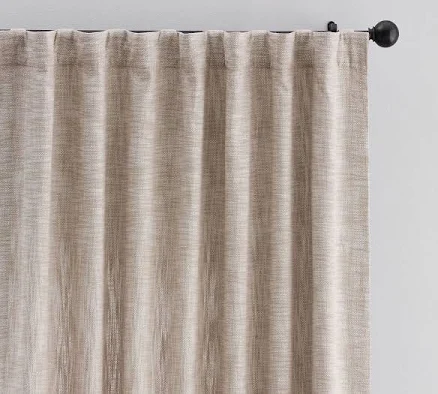
- 100% cotton textile, no stated coating
- Formaldehyde / VOCs
3 hazards checked on this product, all on its full breakdown.

Crate and Barrel
Crate & Barrel Organic Cotton Natural Taupe Window Curtain Panel
- organic cotton, no applied coating mentioned
- We found no PFAS statement from the brand
- Heavy metals
2 hazards checked on this product, all on its full breakdown.

- Cotton-silk blend, no known finishes applied
- We found no PFAS statement from the brand
- Azo dyes and synthetic colorants
2 hazards checked on this product, all on its full breakdown.
More curtains grades
How we score, every product runs through the same public 0-100 rubric based on materials, coatings, brand disclosure, lab findings, and recalls. See the full methodology → Spotted a mistake? Report an error.