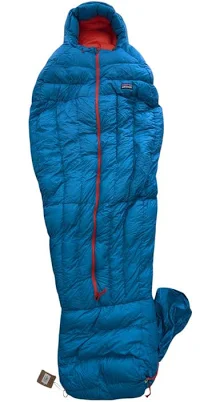
Patagonia Fitz Roy Down Sleeping Bag
A water-repellent or grease-resistant treatment of unstated chemistry, with a brand PFAS statement we have not verified.
Patagonia says 100% of its new products from Spring 2025 are made without intentionally added PFAS. We record that as an unverified brand claim. Its record describes a water-repellent or grease-resistant treatment of unstated chemistry, which is still counted.
Brand says: “Patagonia says 100% of its new products from Spring 2025 are made without intentionally added PFAS.”
Still want this one anyway? Check the price on Amazon. We’d swap it.
Material
Down fill + nylon or polyester shell with water-repellent coating treatment
Brand disclosure
Brand claims PFAS-free
Lab data
No public lab test
You may also be interested in
Top-graded picks in the categories readers replace first, every one scored on the same rubric.

- polypropylene filter housing, carbon/sediment cartridge
- We found no PFAS statement from the brand
- Bacterial growth in spent cartridges
3 hazards checked on this product, all on its full breakdown.

Aquasure
Premier Series 75 GPD Under Sink Reverse Osmosis Water Filtration System
- RO membrane, carbon filters, stainless steel housing
- We found no PFAS statement from the brand
- Bacterial and microbial growth in housing and filters
4 hazards checked on this product, all on its full breakdown.

Avocado
Vegan Mattress
- organic cotton, natural latex, coconut coir, recycled steel coils
- The brand calls it PFAS-free, which we have not verified
- Heavy metals
2 hazards checked on this product, all on its full breakdown.
What Patagonia Fitz Roy Down Sleeping Bag is made of, ingredients and materials
The Fitz Roy uses treated down (goose or duck) insulation paired with a nylon or polyester shell fabric treated with a water-repellent coating (water-repellent coating) finish. Down itself is a natural protein fiber with no known chemical toxicity, but the water-repellent coating treatment chemistry is the critical unknown here. The shell fabric may contain antimony as a polyester catalyst, though concentrations in finished textiles are typically very low and not ingested during use.
What’s concerning
Category baseline
The starting point for this type of product, before anything specific to this product is counted.
Waterproof / stain-resistant treatment
Water-repellent coating treatments have historically used PFAS.
PFAS
Shell water-repellent coating treatment is not explicitly named; Patagonia claims PFAS-free chemistry but has not published independent test results or specific formulation for this model. Residual manufacturing chemicals are unlikely to leach into skin under normal use.
Source, ATSDR ↗Microplastic shedding from shell abrasion
Nylon or polyester shell can shed microfibers when abraded (e.g., rubbing against rough surfaces, washing). Sheds are not inhaled during normal sleeping use but can enter waterways if bag is washed frequently in home machines without lint filters.
What’s reassuring
Brand-stated PFAS-free
The brand states this product is PFAS-free. We have not verified the claim.
Down sourcing and allergen risk
No recalls or contamination reports for this product. Individuals with down allergies should verify down source and cleanliness; pre-washing may reduce allergen load, though is not standard practice and risks damaging fill.
Antimony in polyester shell
If shell is polyester, antimony trioxide is used as a catalyst in synthesis; finished fabric typically contains <0.5% by weight. No ingestion pathway; dermal contact exposure is negligible under normal sleeping conditions.
Formaldehyde / VOCs
No public reports of formaldehyde-based resins in Patagonia down bags. Modern sleeping bag textiles typically avoid formaldehyde finishes, though independent lab testing of this SKU is not available.
Source, ATSDR ↗How is this PFAS grade calculated?
The brand's record and disclosure
Patagonia has published a public commitment to eliminate PFAS from all product lines, but the company does not routinely disclose which specific water-repellent coating chemistry is used in each product or provide third-party test results confirming PFAS absence. Patagonia has historically led on transparency compared to many outdoor brands, yet independent verification of this sleeping bag's water-repellent coating treatment is not publicly available. The brand's stance is credible but not independently confirmed for this specific SKU.
How it compares in its category
Most down sleeping bags in this price tier use fluorocarbon-based water-repellent coating (PFAS-containing) or wax-based treatments. Patagonia's claim to use non-fluorinated water-repellent coating puts it ahead of mainstream competitors on this hazard, though the actual chemistry remains opaque. Synthetic fill alternatives (polyester, PrimaLoft) eliminate down-sourcing concerns but introduce higher microplastic shed risk and typically perform worse in wet conditions without water-repellent coating treatment.
If you buy it
Confirm with Patagonia which water-repellent coating formulation is used before purchase if PFAS avoidance is a priority. Wash sparingly in cool water with mild detergent (avoid alkaline soaps that strip water-repellent coating); machine drying on low heat is acceptable for down. Check for shell tears or delamination before trips, as water ingress degrades insulation efficiency. Do not dry-clean, as solvents can damage both down loft and water-repellent coating finish.
What is not known about PFAS in this product?
- Basis
- Model estimate, 62% confidence, not a lab result
- Lab test
- None on record for this exact product
- Brand statement
- Patagonia has made a specific claim
Formulations change between production runs, so check the current label. How we grade.
More sleeping bags grades
How we score, every product runs through the same public 0-100 rubric based on materials, coatings, brand disclosure, lab findings, and recalls. See the full methodology → Spotted a mistake? Report an error.