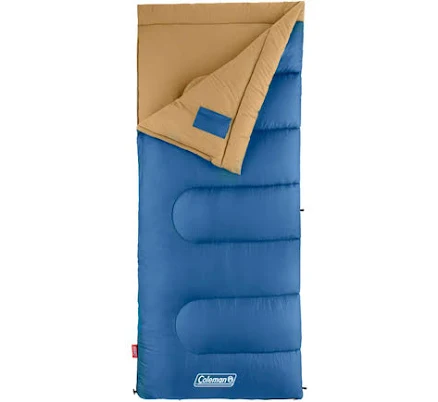
Brazos Sleeping Bag
Skip until Coleman reveals water-repellent coating composition or try fluorine-free brands.
Coleman's Brazos likely uses water-repellent coating treatment on its polyester shell, a common application for traditional PFAS Teflon-family coating. Coleman won't disclose specific coating chemistry.
Still want this one anyway? Check the price on Amazon. We’d swap it.
Material
Polyester shell with water-repellent coating water-repellent finish
Lab data
No public lab test
You may also be interested in
Top-graded picks in the categories readers replace first, every one scored on the same rubric.

- polypropylene filter housing, carbon/sediment cartridge
- We found no PFAS statement from the brand
- Bacterial growth in spent cartridges
3 hazards checked on this product, all on its full breakdown.

Aquasure
Premier Series 75 GPD Under Sink Reverse Osmosis Water Filtration System
- RO membrane, carbon filters, stainless steel housing
- We found no PFAS statement from the brand
- Bacterial and microbial growth in housing and filters
4 hazards checked on this product, all on its full breakdown.

Avocado
Vegan Mattress
- organic cotton, natural latex, coconut coir, recycled steel coils
- The brand calls it PFAS-free, which we have not verified
- Heavy metals
2 hazards checked on this product, all on its full breakdown.
What Brazos Sleeping Bag is made of, ingredients and materials
The Brazos uses a polyester shell fabric with a water-repellent coating (water-repellent coating) finish applied to the outer layer. Polyester itself is chemically stable and does not leach BPA or phthalates under normal sleeping conditions. The water-repellent coating finish is the critical unknown, Coleman has not publicly disclosed whether this uses PFAS-based (fluorinated) chemistry or newer fluorine-free alternatives, which is the core safety question for this product.
What’s concerning
Category baseline
The starting point for this type of product, before anything specific to this product is counted.
No PFAS disclosure
No public statement from the brand about PFAS in this product.
Waterproof / stain-resistant treatment
Water-repellent coating treatments have historically used PFAS.
PFAS
Coleman has not disclosed whether the water-repellent coating is fluorinated (PFAS-based) or fluorine-free. Polyester itself is inert; the finish is the unknown variable. Contact Coleman directly or pursue fluorine-free alternatives if PFAS avoidance is a priority.
Source, ATSDR ↗What’s reassuring
Polyester fiber degradation and shedding under stress
Polyester does not shed microplastics under normal sleeping use. Significant degradation (tearing, abrasion) could theoretically generate fiber fragments, but this is a functional failure, not a chemical hazard, and would trigger replacement need anyway.
Formaldehyde / VOCs
Polyester fabric for sleeping bags does not typically use formaldehyde-releasing finishes. Odor in new bags is usually from dyes and sizing agents, not formaldehyde, and dissipates with airing. No established safety concern for this product category.
Source, ATSDR ↗Azo dyes in polyester shell and lining
Coleman sleeping bags are not known to use restricted azo dyes, and polyester dyes are generally stable during wear and washing. No recalls or hazard reports tied to dye chemistry in Coleman sleeping gear.
Off-gassing or VOC emissions during use
Polyester textiles do not emit volatile organic compounds at body temperature. Storage odors dissipate with airing; no VOC hazard is established for this product class under normal use.
How is this PFAS grade calculated?
The brand's record and disclosure
Coleman has not issued public statements about PFAS use in its sleeping bags or outdoor gear as of available records. The company has faced no major recalls specifically tied to chemical hazards in sleeping bag materials. Coleman's silence on water-repellent coating chemistry is typical of outdoor brands that have not committed to fluorine-free transition, making independent verification of this product's formulation impossible without direct manufacturer contact.
How it compares in its category
Most budget and mid-range sleeping bags use polyester with conventional PFAS-based water-repellent coating finishes; this is industry standard. Premium brands (e.g., Patagonia, REI Co-op) increasingly disclose PFAS-free or PFAS-reduced options. The Brazos sits in the undisclosed mainstream, lower concern for other chemical hazards typical of this category, but indistinguishable from peers on the PFAS question without brand transparency.
If you buy it
Use normally without heat exposure (sleeping bags are not meant for direct heat sources). Wash infrequently in cool water with mild detergent; hot water and machine drying can degrade the water-repellent coating finish and potentially mobilize coatings. Avoid harsh detergents and fabric softeners, which break down water-repellent layers. Replace if the shell tears significantly or water-repellent coating visibly peels, as this indicates coating failure and loss of water protection, not chemical risk, but functional decline.
What is not known about PFAS in this product?
- Basis
- Model estimate, 45% confidence, not a lab result
- Lab test
- None on record for this exact product
- Brand statement
- Coleman has made a specific claim
Formulations change between production runs, so check the current label. How we grade.
What are the PFAS-free alternatives to Brazos Sleeping Bag?
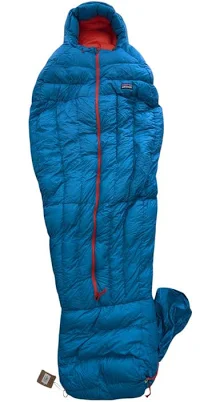
- Down fill + nylon or polyester shell with water-repellent coating treatment
- The brand calls it PFAS-free, which we have not verified
- PFAS
2 hazards checked on this product, all on its full breakdown.
Find an alternative on AmazonMore sleeping bags grades
How we score, every product runs through the same public 0-100 rubric based on materials, coatings, brand disclosure, lab findings, and recalls. See the full methodology → Spotted a mistake? Report an error.