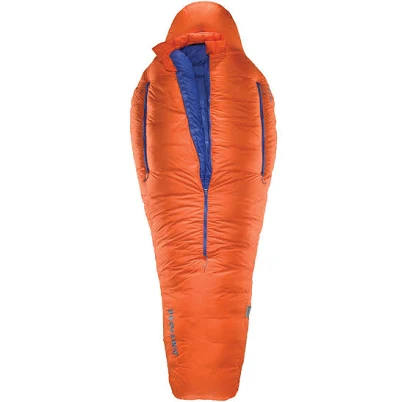
Therm-a-Rest Polar Ranger Sleeping Bag
Uncertain coating chemistry despite Patagonia's PFAS commitment.
The Polar Ranger has synthetic insulation and a nylon shell with water resistance. Patagonia pledged to remove PFAS but hasn't detailed the water-repellent coating on this specific bag.
Still want this one anyway? Check the price on Amazon. We’d swap it.
Material
Synthetic insulation + nylon shell with water-repellent coating treatment
Brand disclosure
Brand is silent on PFAS
Lab data
No public lab test
You may also be interested in
Top-graded picks in the categories readers replace first, every one scored on the same rubric.

- polypropylene filter housing, carbon/sediment cartridge
- We found no PFAS statement from the brand
- Bacterial growth in spent cartridges
3 hazards checked on this product, all on its full breakdown.

Aquasure
Premier Series 75 GPD Under Sink Reverse Osmosis Water Filtration System
- RO membrane, carbon filters, stainless steel housing
- We found no PFAS statement from the brand
- Bacterial and microbial growth in housing and filters
4 hazards checked on this product, all on its full breakdown.

Avocado
Vegan Mattress
- organic cotton, natural latex, coconut coir, recycled steel coils
- The brand calls it PFAS-free, which we have not verified
- Heavy metals
2 hazards checked on this product, all on its full breakdown.
What Therm-a-Rest Polar Ranger Sleeping Bag is made of, ingredients and materials
The Polar Ranger uses synthetic insulation (likely polyester-based, commonly PrimaLoft or similar) wrapped in nylon 20D or 30D ripstop shell with a water-repellent coating (water-repellent coating) finish. Synthetic insulation avoids down allergen risks and retains warmth when wet, but the water-repellent coating is the chemical concern, historically many water-repellent coating treatments used PFOA/PFOS-based compounds, though newer alternatives (fluorine-free or short-chain PFAS) exist. Nylon itself is chemically stable when new; the shell does not leach into skin under normal use.
What’s concerning
Category baseline
The starting point for this type of product, before anything specific to this product is counted.
No PFAS disclosure
No public statement from the brand about PFAS in this product.
Waterproof / stain-resistant treatment
Water-repellent coating treatments have historically used PFAS.
PFAS
The nylon shell's water-repellent coating finish composition is undisclosed. Patagonia has phased PFOA but may use other fluorinated or short-chain PFAS compounds; no published test data exists for this specific model. Risk is low during normal use (coating is not ingested or inhaled) but elevated if the bag is machine-washed repeatedly in hot water or if damaged fibers are directly handled.
Source, ATSDR ↗Synthetic fiber shedding and microfiber release
Nylon and polyester insulation can shed microscopic fibers, especially if the shell is abraded or washed. While microfiber inhalation risk during sleeping is low, washing the bag or shaking it vigorously indoors can release airborne fibers. This is a general category risk, not unique to Patagonia, but relevant to long-term repeated exposure.
Mold and bacterial growth if stored wet
If the bag is packed away damp or in high humidity, mold and mildew can develop inside the insulation or shell seams, creating musty odor and potential respiratory irritation. This is a maintenance hazard, not a manufacturing one, but relevant to responsible ownership.
What’s reassuring
Thermal stress from insulation degradation
Synthetic insulation does not off-gas formaldehyde or VOCs. Polyester-based insulation is chemically inert when new and remains stable over years of normal use. No established health hazard from the insulation material itself; degradation is functional (loss of loft), not chemical.
Nylon shell chemical leaching
Nylon 20D/30D ripstop does not leach harmful additives into skin under normal contact. Antimony (a common polyester additive) is not typically present in high levels in nylon shells, and skin contact exposure is negligible.
How is this PFAS grade calculated?
The brand's record and disclosure
Patagonia publicly committed to eliminating harmful chemicals including PFOA and has pursued transparency on restricted substances. However, the company has not published specific water-repellent coating treatment details for this sleeping bag model, and no third-party test data on PFAS levels in finished sleeping bags is publicly available. Patagonia's corporate standards are stronger than industry baseline, but silence on a specific product's waterproofing chemistry leaves water-repellent coating composition unconfirmed.
How it compares in its category
Synthetic sleeping bags universally rely on water-repellent coating treatments; this product sits mid-to-premium tier where chemical scrutiny is higher than budget alternatives. Direct competitors (e.g., REI Co-op, Big Agnes) similarly withhold detailed water-repellent coating specs. Patagonia's brand commitment to sustainability and restricted-substance management places it ahead of manufacturers with no public chemical policy, though transparency gaps remain industry-wide.
If you buy it
Air-dry the bag after each trip (not machine wash with hot water, which can degrade water-repellent coating and release volatiles). Store it loose, never compressed in its stuff sack for months, to prevent synthetic fiber breakdown and odor accumulation. Replace it if the shell tears and leaks, or if the insulation compresses permanently and no longer lofts (typically 5-10 years with normal care). Avoid direct prolonged skin contact with the nylon shell if you have sensitive skin; use a liner bag if desired.
What is not known about PFAS in this product?
- Basis
- Model estimate, 45% confidence, not a lab result
- Lab test
- None on record for this exact product
- Brand statement
- Therm-a-Rest has made none
Formulations change between production runs, so check the current label. How we grade.
What are the PFAS-free alternatives to Therm-a-Rest Polar Ranger Sleeping Bag?
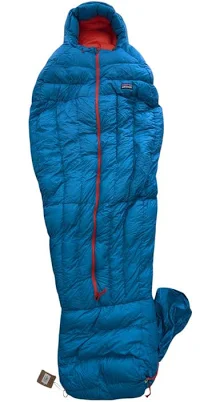
- Down fill + nylon or polyester shell with water-repellent coating treatment
- The brand calls it PFAS-free, which we have not verified
- PFAS
2 hazards checked on this product, all on its full breakdown.
Find an alternative on AmazonMore sleeping bags grades
How we score, every product runs through the same public 0-100 rubric based on materials, coatings, brand disclosure, lab findings, and recalls. See the full methodology → Spotted a mistake? Report an error.