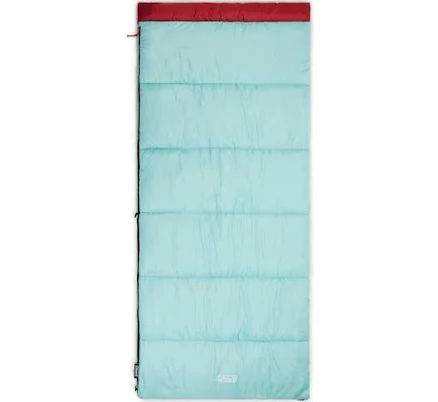
Coleman Flatlands Sleeping Bag
Typical outdoor bag with water-repellent coating; Coleman won't confirm PFAS status.
This mainstream budget bag has a polyester shell treated for water repellency. Coleman doesn't disclose PFAS content or alternatives, making verification impossible without lab testing.
Still want this one anyway? Check the price on Amazon. We’d swap it.
Material
polyester shell with water-repellent coating (water-repellent coating) finish
Lab data
No public lab test
You may also be interested in
Top-graded picks in the categories readers replace first, every one scored on the same rubric.

- polypropylene filter housing, carbon/sediment cartridge
- We found no PFAS statement from the brand
- Bacterial growth in spent cartridges
3 hazards checked on this product, all on its full breakdown.

Aquasure
Premier Series 75 GPD Under Sink Reverse Osmosis Water Filtration System
- RO membrane, carbon filters, stainless steel housing
- We found no PFAS statement from the brand
- Bacterial and microbial growth in housing and filters
4 hazards checked on this product, all on its full breakdown.

Avocado
Vegan Mattress
- organic cotton, natural latex, coconut coir, recycled steel coils
- The brand calls it PFAS-free, which we have not verified
- Heavy metals
2 hazards checked on this product, all on its full breakdown.
What Coleman Flatlands Sleeping Bag is made of, ingredients and materials
The Flatlands uses a polyester shell with a water-repellent coating (water-repellent coating) finish applied to the fabric surface. Polyester itself is a stable, inert synthetic polymer with no established leaching risk under normal sleeping bag use. The water-repellent coating is the material of concern, most mass-market outdoor sleeping bags use fluorinated water-repellent coating treatments, which may contain PFAS compounds, though exact formulations are rarely disclosed by manufacturers. This coating degrades over time and washing, which is normal and not a hazard in itself, but means you may lose water resistance rather than acquire new risks.
What’s concerning
Category baseline
The starting point for this type of product, before anything specific to this product is counted.
No PFAS disclosure
No public statement from the brand about PFAS in this product.
Waterproof / stain-resistant treatment
Water-repellent coating treatments have historically used PFAS.
PFAS
Coleman does not disclose whether Flatlands uses fluorinated or fluorine-free water-repellent coating. Standard industry practice suggests fluorinated chemistry is likely, but no independent testing of this product is on record. Skin contact with the exterior is minimal during normal use.
Source, ATSDR ↗Polyester fiber shedding (microfibers)
Polyester sleeping bags can shed microfibers when abraded or washed, though absolute quantities and health impact from sleeping bag use are not well quantified. Washing less frequently reduces shedding exposure.
Mold or bacterial growth if stored wet
If the sleeping bag is stored damp or in humid conditions, mold and mildew can develop. This is a maintenance issue, not a manufacturing hazard, and is fully preventable by ensuring dry storage.
What’s reassuring
Insulation integrity loss over time
No chemical hazard is documented in Coleman insulation materials themselves. Degradation is mechanical (fiber clumping, compression) rather than chemical leaching, and does not pose a health risk beyond reduced thermal performance.
Off-gassing of polyester or dyes
Polyester and standard textile dyes do not typically off-gas harmful volatiles under normal sleeping bag use at body temperature. No formaldehyde resin finishes are standard in sleeping bag construction.
How is this PFAS grade calculated?
The brand's record and disclosure
Coleman is a large mass-market outdoor equipment maker owned by Newell Brands. The company does not publicly disclose water-repellent coating chemistry or PFAS policy for sleeping bags or tents. No major safety recalls specific to chemical hazards in Coleman sleeping bags are on record. The brand is typical of mainstream outdoor manufacturers in offering minimal transparency on fluorinated water-repellent treatments; they are not known for aggressive chemical safety commitments the way some premium outdoor brands have become.
How it compares in its category
Most budget and mid-range sleeping bags use standard polyester with fluorinated water-repellent coating, placing the Flatlands in the typical category. Premium alternatives from brands like Patagonia or Rab have begun disclosing non-fluorinated or reduced-PFAS water-repellent coating options, but these command higher prices. The Flatlands offers no documented advantage or disadvantage in hazard profile compared to competitors at its price point; it represents the industry baseline rather than a leader or laggard in chemical safety.
If you buy it
Store in a cool, dry place away from direct heat or prolonged sunlight, which accelerates polyester degradation. Wash infrequently and use gentle soap and cold water; frequent washing both shortens water-repellent coating life and may increase exposure to water-repellent residues. Do not dry-clean or expose to high heat (above 140F/60C). Replace the sleeping bag if seams separate, insulation bunches, or the shell develops tears, as repair kits are labor-intensive and wear generally indicates end-of-life.
What is not known about PFAS in this product?
- Basis
- Model estimate, 45% confidence, not a lab result
- Lab test
- None on record for this exact product
- Brand statement
- Coleman has made a specific claim
Formulations change between production runs, so check the current label. How we grade.
What are the PFAS-free alternatives to Coleman Flatlands Sleeping Bag?
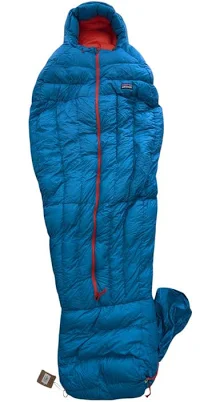
- Down fill + nylon or polyester shell with water-repellent coating treatment
- The brand calls it PFAS-free, which we have not verified
- PFAS
2 hazards checked on this product, all on its full breakdown.
Find an alternative on AmazonMore sleeping bags grades
How we score, every product runs through the same public 0-100 rubric based on materials, coatings, brand disclosure, lab findings, and recalls. See the full methodology → Spotted a mistake? Report an error.