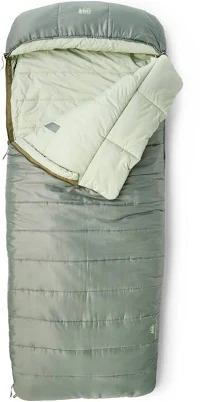
REI Co-op Siesta Hooded 20 Sleeping Bag
Assume conventional PFAS-based water-repellent coating unless REI confirms otherwise.
The Siesta Hooded 20 has a nylon ripstop shell with water-repellent coating, a category historically reliant on PFAS Teflon-family coating. REI Co-op makes no public disclosure of the coating chemistry.
Still want this one anyway? Check the price on Amazon. We’d swap it.
Material
Nylon ripstop shell with water-repellent coating water-repellent treatment; polyester/synthetic insulation
Lab data
No public lab test
You may also be interested in
Top-graded picks in the categories readers replace first, every one scored on the same rubric.

- polypropylene filter housing, carbon/sediment cartridge
- We found no PFAS statement from the brand
- Bacterial growth in spent cartridges
3 hazards checked on this product, all on its full breakdown.

Aquasure
Premier Series 75 GPD Under Sink Reverse Osmosis Water Filtration System
- RO membrane, carbon filters, stainless steel housing
- We found no PFAS statement from the brand
- Bacterial and microbial growth in housing and filters
4 hazards checked on this product, all on its full breakdown.

Avocado
Vegan Mattress
- organic cotton, natural latex, coconut coir, recycled steel coils
- The brand calls it PFAS-free, which we have not verified
- Heavy metals
2 hazards checked on this product, all on its full breakdown.
What REI Co-op Siesta Hooded 20 Sleeping Bag is made of, ingredients and materials
The Siesta uses a nylon ripstop shell (common in sleeping bags for durability and packability) treated with a water-repellent coating finish, most likely PFAS-based given REI's silence on chemistry and the cost constraints of synthetic insulation sleeping bags. The insulation layer is polyester-based synthetic fill rather than down, which avoids animal-derived materials but provides less thermal efficiency per weight. Nylon itself is stable and non-toxic when intact; the water-repellent coating treatment is where PFAS exposure risk concentrates, primarily through air during manufacturing or via skin contact if the bag is used in close proximity to the face for extended periods.
What’s concerning
Category baseline
The starting point for this type of product, before anything specific to this product is counted.
No PFAS disclosure
No public statement from the brand about PFAS in this product.
Waterproof / stain-resistant treatment
Water-repellent coating treatments have historically used PFAS.
water-repellent coating (water-repellent coating) treatment chemicals
REI does not disclose whether this bag uses PFAS or fluorine-free water-repellent coating. Industry standard for budget sleeping bags at this price is PFAS-based treatment. Exposure risk is primarily inhalation during manufacturing and skin contact during extended use (face-proximity), not leaching into food or water.
Nylon degradation and microfiber shedding
Synthetic ripstop shells shed microfibers when abraded, particularly if the bag is compressed repeatedly or used against rough surfaces. Microfiber release into air and environment is low-level chronic exposure, not acute. No specific recalls for the Siesta; this is a general concern for all nylon outdoor gear.
What’s reassuring
Polyester insulation off-gassing
Polyester synthetic insulation (polyester fiberfill or similar) is thermally stable and does not typically off-gas volatile organic compounds at normal sleeping temperatures. No reported issues with REI's house-brand polyester insulation.
Dyes and fasteners in nylon/polyester
Nylon and polyester are typically dyed with acid or disperse dyes that are colorfast; azo dyes (which can release carcinogenic amines) are generally avoided in outdoor textiles due to durability requirements. No recalls or warnings for the Siesta or similar REI sleeping bags related to dye toxicity.
Seam sealing and adhesive residues
Sleeping bag seams are sealed with polyurethane or similar tape-based adhesives to prevent water leakage; these are stable when cured and do not pose inhalation or skin-contact hazards under normal use. No established concerns specific to REI's seam sealing process.
How is this PFAS grade calculated?
The brand's record and disclosure
REI Co-op does not publicly disclose water-repellent coating chemistry for its house-brand sleeping bags and has not committed to PFAS-free treatments across its outdoor gear lines. This is consistent with most mid-tier outdoor brands; REI is not known for transparency on flame retardants or water-repellent additives in textiles. The brand has not faced major recalls related to chemical hazards in sleeping bags. REI's lack of disclosure reflects industry-wide opacity rather than a specific red flag about this model.
How it compares in its category
The Siesta is a budget-friendly synthetic sleeping bag typical of REI's house line; most competitors at this price point (Marmot, Coleman, Kelty) use identical nylon ripstop with undisclosed water-repellent coating treatments. Premium brands like Patagonia have begun moving toward PFAS-free water-repellent coating alternatives (wax or fluorine-free) but at significantly higher cost. For three-season backpacking, the Siesta's synthetic fill and standard construction pose no chemical hazards beyond PFAS that are unusual for the category. If PFAS exposure during sleeping bag use concerns you, only premium PFAS-free alternatives exist and are not mass-market.
If you buy it
Wash the sleeping bag infrequently (every 5-10 trips or annually) in cool water with mild detergent; avoid dry cleaning and heat drying, which can concentrate residues and degrade the water-repellent coating. Store in a loose, breathable sack (not compression) to preserve loft and avoid off-gassing buildup in confined spaces. The nylon shell is tear-resistant but can be damaged by rough handling; inspect seams and check for punctures after each trip, as tears allow insulation migration. Expect the water-repellent coating treatment to gradually lose effectiveness after 3-5 years; re-treatment products are available but add further chemical exposure, so planning replacement when water-beading fails is simpler.
What is not known about PFAS in this product?
- Basis
- Model estimate, 45% confidence, not a lab result
- Lab test
- None on record for this exact product
- Brand statement
- REI Co-op has made a specific claim
Formulations change between production runs, so check the current label. How we grade.
What are the PFAS-free alternatives to REI Co-op Siesta Hooded 20 Sleeping Bag?
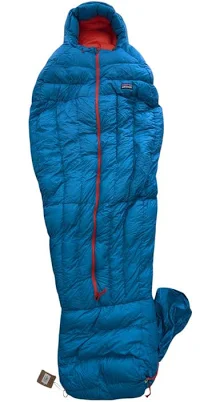
- Down fill + nylon or polyester shell with water-repellent coating treatment
- The brand calls it PFAS-free, which we have not verified
- PFAS
2 hazards checked on this product, all on its full breakdown.
Find an alternative on AmazonMore sleeping bags grades
How we score, every product runs through the same public 0-100 rubric based on materials, coatings, brand disclosure, lab findings, and recalls. See the full methodology → Spotted a mistake? Report an error.