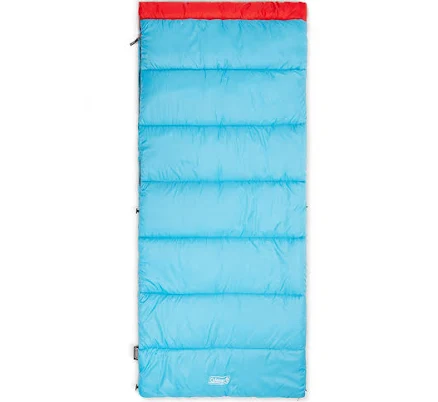
Coleman Flatlands 40°F Sleeping Bag 2205606
Coleman silent on coating chemistry; assume elevated PFAS risk.
Coleman's Flatlands uses polyester with water-repellent coating finish to shed moisture, a category where PFAS-based treatments have been standard. Coleman won't disclose specific coating chemistry.
Still want this one anyway? Check the price on Amazon. We’d swap it.
Material
Polyester shell with water-repellent coating water-resistant coating
Lab data
No public lab test
You may also be interested in
Top-graded picks in the categories readers replace first, every one scored on the same rubric.

- polypropylene filter housing, carbon/sediment cartridge
- We found no PFAS statement from the brand
- Bacterial growth in spent cartridges
3 hazards checked on this product, all on its full breakdown.

Aquasure
Premier Series 75 GPD Under Sink Reverse Osmosis Water Filtration System
- RO membrane, carbon filters, stainless steel housing
- We found no PFAS statement from the brand
- Bacterial and microbial growth in housing and filters
4 hazards checked on this product, all on its full breakdown.

Avocado
Vegan Mattress
- organic cotton, natural latex, coconut coir, recycled steel coils
- The brand calls it PFAS-free, which we have not verified
- Heavy metals
2 hazards checked on this product, all on its full breakdown.
What Coleman Flatlands 40°F Sleeping Bag is made of, ingredients and materials
This Coleman sleeping bag uses a polyester shell with a water-repellent coating (water-repellent coating) coating applied to the outer fabric. Polyester itself is a stable synthetic polymer with low direct toxicity, but the water-repellent coating finish is typically fluorochemical-based (the source of PFAS concern noted separately). The lining and insulation composition are not fully detailed in public spec sheets, which limits assessment of off-gassing potential during use or storage in warm conditions.
What’s concerning
Category baseline
The starting point for this type of product, before anything specific to this product is counted.
No PFAS disclosure
No public statement from the brand about PFAS in this product.
Waterproof / stain-resistant treatment
Water-repellent coating treatments have historically used PFAS.
Volatile Organic Compounds (VOCs) from polyester and finishes
Polyester and water-repellent coating coatings may off-gas formaldehyde-adjacent compounds and residual solvents when new, especially in warm storage or use. Initial airing out and breathable storage reduce exposure.
Coating degradation and microparticle shedding
Over time and with repeated washing, water-repellent coating coatings can flake or wear, potentially releasing microparticles. Use gentle wash and air dry to extend coating life and minimize shedding.
What’s reassuring
Allergic contact or irritation from residual dyes or finishes
No specific allergenic dye or formaldehyde-resin issues have been reported for Coleman Flatlands bags. Polyester apparel and bedding carry minimal risk if rinsed before first use.
Flame retardants
Coleman does not market this bag as flame-retardant treated, and polyester has modest inherent flame resistance. No bromine- or antimony-based flame retardants are documented in public records for this model.
Source, EPA ↗Metal fastener or zipper leaching
Typical Coleman bags use nickel-plated or cadmium-free zippers and metal hardware; no recalls or complaints specific to zipper toxicity have been established for this model.
How is this PFAS grade calculated?
The brand's record and disclosure
Coleman, owned by Newell Brands, has not published detailed ingredient disclosures or sustainability certifications for sleeping bag coatings. The company has faced no major recalls or documented safety incidents specific to this model. Coleman's parent company has signed on to some PFAS reduction commitments in other product lines, but no equivalent commitment is publicly visible for outdoor gear. This silence on coating chemistry is typical for the mid-market outdoor industry but limits independent verification of hazard mitigation.
How it compares in its category
Mid-range Coleman bags use conventional fluorochemical water-repellent coating finishes, which are standard across budget-to-mid-tier sleeping bags from competitors like Kelty and Coleman's own product lines. Premium brands (Patagonia, Arc'teryx) increasingly disclose fluorine-free water-repellent coating options, while Coleman does not market such alternatives. In terms of polyester shell durability and water resistance cost-effectiveness, this bag is typical; the main differentiator is lack of coating transparency rather than performance.
If you buy it
Air out the bag thoroughly in direct sunlight for 24-48 hours before first use to reduce any trapped volatile compounds from manufacturing. Store in a breathable cotton or mesh bag (not compressed plastic) in a cool, dry place to minimize off-gassing. Avoid exposing the bag to prolonged heat (> 60°C / 140°F) or direct flame, as polyester can degrade and potentially release particulates. Wash gently in cool water with mild detergent when needed; avoid heavy-duty dry cleaning, which can degrade the water-repellent coating and release solvents.
What is not known about PFAS in this product?
- Basis
- Model estimate, 55% confidence, not a lab result
- Lab test
- None on record for this exact product
- Brand statement
- Coleman has made a specific claim
Formulations change between production runs, so check the current label. How we grade.
What are the PFAS-free alternatives to Coleman Flatlands 40°F Sleeping Bag 2205606?
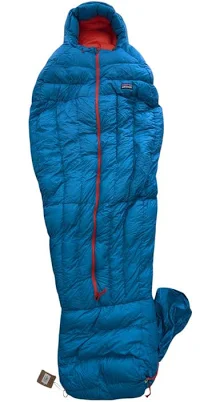
- Down fill + nylon or polyester shell with water-repellent coating treatment
- The brand calls it PFAS-free, which we have not verified
- PFAS
2 hazards checked on this product, all on its full breakdown.
Find an alternative on AmazonMore sleeping bags grades
How we score, every product runs through the same public 0-100 rubric based on materials, coatings, brand disclosure, lab findings, and recalls. See the full methodology → Spotted a mistake? Report an error.