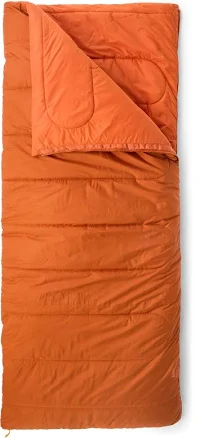
REI Co-op Campwell 30 Sleeping Bag
REI doesn't disclose coating chemistry; skip if PFAS-free matters.
This nylon ripstop bag features a water-repellent coating finish, a typical source of PFAS in outdoor gear. REI Co-op won't say if it uses PFAS or PFAS-free water-repellent coating, and no third-party testing exists.
Still want this one anyway? Check the price on Amazon. We’d swap it.
Material
Nylon ripstop shell with water-repellent coating; polyester/synthetic insulation
Lab data
No public lab test
You may also be interested in
Top-graded picks in the categories readers replace first, every one scored on the same rubric.

- polypropylene filter housing, carbon/sediment cartridge
- We found no PFAS statement from the brand
- Bacterial growth in spent cartridges
3 hazards checked on this product, all on its full breakdown.

Aquasure
Premier Series 75 GPD Under Sink Reverse Osmosis Water Filtration System
- RO membrane, carbon filters, stainless steel housing
- We found no PFAS statement from the brand
- Bacterial and microbial growth in housing and filters
4 hazards checked on this product, all on its full breakdown.

Avocado
Vegan Mattress
- organic cotton, natural latex, coconut coir, recycled steel coils
- The brand calls it PFAS-free, which we have not verified
- Heavy metals
2 hazards checked on this product, all on its full breakdown.
What REI Co-op Campwell 30 Sleeping Bag is made of, ingredients and materials
The Campwell 30 uses a nylon ripstop shell treated with a water-repellent coating (water-repellent coating) coating and polyester synthetic insulation. Nylon itself is chemically stable and does not leach significant compounds during normal use. The polyester insulation is a commodity thermal material with no inherent toxicity when intact. The critical unknown is the water-repellent coating treatment, modern water-repellent coating coatings may use PFAS-based chemistries (such as C8 or newer short-chain variants) or fluorine-free alternatives, but REI Co-op does not publicly specify which one is applied to this model.
What’s concerning
Category baseline
The starting point for this type of product, before anything specific to this product is counted.
No PFAS disclosure
No public statement from the brand about PFAS in this product.
Waterproof / stain-resistant treatment
Water-repellent coating treatments have historically used PFAS.
water-repellent coating chemistry unknown
REI Co-op does not disclose whether the nylon ripstop water-repellent coating is PFAS-based, fluorine-free, or another type. This is a disclosure gap, not a confirmed hazard, but prevents consumers from avoiding PFAS exposure if that is a priority.
Polyester insulation degradation under heat or age
Polyester synthetic fill is durable but gradually loses loft over 5-10 years of use and can shed microfibers if the shell or baffles develop small tears. This is a performance decline rather than acute toxicity risk, but extended exposure to lint inhalation during storage or use is theoretically possible.
Mildew and bacterial growth if stored wet
If the bag is stored damp, polyester insulation can harbor mold and bacteria, which may cause respiratory irritation or odor. This is a maintenance hazard, not a material defect, and is preventable with dry storage.
What’s reassuring
Nylon ripstop off-gassing
Modern nylon ripstop fabric does not off-gas volatile organic compounds (VOCs) under normal sleeping bag conditions. No reports of formaldehyde or solvent residues in finished REI Co-op sleeping bags are on record.
Seam adhesive or treatment chemicals
Seams on synthetic sleeping bags are typically sealed with polyurethane or polyester-based adhesive, which does not leach into skin or blood at normal contact temperatures. REI gear is not known to retain irritant processing chemicals post-manufacture.
How is this PFAS grade calculated?
The brand's record and disclosure
REI Co-op does not publish a PFAS transparency policy or list product-specific water-repellent coating chemistry on its website or care tags for sleeping bags. The brand has a strong general reputation for outdoor gear quality and customer service, but lags behind competitors (such as Patagonia or The North Face in some lines) in proactive chemical disclosure. No recalls or safety controversies specific to the Campwell line are on public record. REI's lack of disclosure is a policy choice, not evidence of a hidden hazard, but it prevents informed PFAS-avoidant purchasing.
How it compares in its category
The Campwell 30 is a mid-market synthetic sleeping bag typical of mass-market outdoor retail offerings. Competitors in the same price and performance tier (Kelty, Coleman, Big Agnes) similarly withhold water-repellent coating chemistry details. Premium brands (Patagonia Down Sweater Sleeping Bag, Rab Alpha) increasingly disclose PFAS-free or PFAS-reduced water-repellent coating but at higher cost. Budget alternatives often use older polyester shells with minimal or no water-repellent coating, eliminating that uncertainty but sacrificing water resistance. The Campwell sits squarely in the 'acceptable performance, poor transparency' zone.
If you buy it
Wash before first use in cool water to remove any residual processing chemicals; air dry completely to prevent mildew in polyester fill. Do not machine dry or expose to direct heat above 140F (60C), which can degrade nylon and warp synthetic insulation. Store dry and uncompressed; prolonged compression degrades polyester loft recovery over years. Inspect the shell annually for small tears or coating peel; repair with seam sealer or fabric patches to maintain water resistance and prevent fill exposure. A sleeping bag liner adds a barrier layer and extends bag life.
What is not known about PFAS in this product?
- Basis
- Model estimate, 45% confidence, not a lab result
- Lab test
- None on record for this exact product
- Brand statement
- REI Co-op has made a specific claim
Formulations change between production runs, so check the current label. How we grade.
What are the PFAS-free alternatives to REI Co-op Campwell 30 Sleeping Bag?
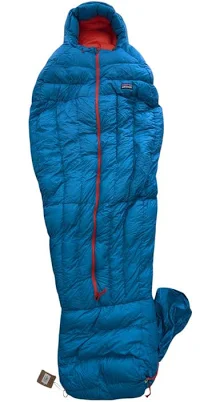
- Down fill + nylon or polyester shell with water-repellent coating treatment
- The brand calls it PFAS-free, which we have not verified
- PFAS
2 hazards checked on this product, all on its full breakdown.
Find an alternative on AmazonMore sleeping bags grades
How we score, every product runs through the same public 0-100 rubric based on materials, coatings, brand disclosure, lab findings, and recalls. See the full methodology → Spotted a mistake? Report an error.