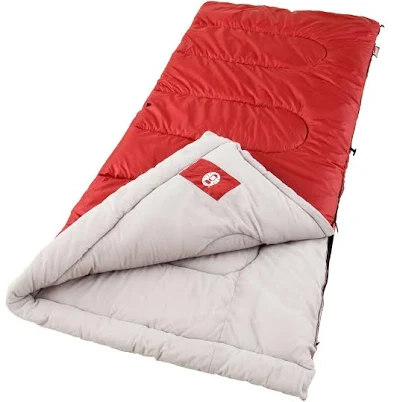
Coleman Palmetto Sleeping Bag
Skip unless Coleman reveals water-repellent coating contents.
The Palmetto has a polyester shell with waterproof treatment typical of outdoor sleeping bags. Coleman won't disclose whether its water-repellent coating contains PFAS, a significant transparency gap.
Still want this one anyway? Check the price on Amazon. We’d swap it.
Material
polyester shell with waterproof coating
Lab data
No public lab test
You may also be interested in
Top-graded picks in the categories readers replace first, every one scored on the same rubric.

- polypropylene filter housing, carbon/sediment cartridge
- We found no PFAS statement from the brand
- Bacterial growth in spent cartridges
3 hazards checked on this product, all on its full breakdown.

Aquasure
Premier Series 75 GPD Under Sink Reverse Osmosis Water Filtration System
- RO membrane, carbon filters, stainless steel housing
- We found no PFAS statement from the brand
- Bacterial and microbial growth in housing and filters
4 hazards checked on this product, all on its full breakdown.

Avocado
Vegan Mattress
- organic cotton, natural latex, coconut coir, recycled steel coils
- The brand calls it PFAS-free, which we have not verified
- Heavy metals
2 hazards checked on this product, all on its full breakdown.
What Coleman Palmetto Sleeping Bag is made of, ingredients and materials
The Palmetto uses a polyester shell fabric with a waterproof coating applied to the underside. Polyester itself is stable and does not leach chemicals during normal use, but the waterproof treatment applied to achieve water resistance is the material of concern. The coating's chemical composition is not disclosed by Coleman, which is typical across the industry for budget-tier sleeping bags.
What’s concerning
Category baseline
The starting point for this type of product, before anything specific to this product is counted.
No PFAS disclosure
No public statement from the brand about PFAS in this product.
Waterproof / stain-resistant treatment
Water-repellent coating treatments have historically used PFAS.
Waterproof coating chemical identity (undisclosed water-repellent coating treatment)
Coleman does not disclose whether the Palmetto's coating contains PFAS, fluorocarbon, or silicone-based treatments. This opacity is common but prevents full risk assessment; PFAS in sleeping bag coatings is a known industry practice.
Polyester microfiber shedding when coating degrades
As the waterproof coating wears or peels with age, the underlying polyester may shed fine fibers into sleeping areas. Risk is low during normal use but increases with mechanical stress, washing, or storage in humid conditions.
Mildew and bacterial growth (storage and maintenance)
Polyester with waterproof backing is prone to mold if stored damp or in sealed containers. While mildew itself is not a chemical hazard, inhaling spores or sleeping on moldy insulation poses respiratory irritation, particularly for sensitive individuals.
Thermal degradation of coating if exposed to high heat
Exposure to direct heat sources (fires, stoves, or hot surfaces) can degrade waterproof coatings and potentially release volatile organic compounds. Keep sleeping bag away from open flames and high-temperature equipment during camping.
What’s reassuring
Formaldehyde / VOCs
Coleman does not report formaldehyde in finished sleeping bags, and residual formaldehyde from polyester manufacturing is generally negligible in outerwear after standard finishing. No recalls or complaints on record for this product line.
Source, ATSDR ↗How is this PFAS grade calculated?
The brand's record and disclosure
Coleman does not publicly disclose the specific chemistry of its water-repellent coating (water-repellent coating) coatings or provide transparency on PFAS use in outdoor gear. The company has not faced major recalls related to sleeping bag chemical safety, but lack of disclosure is standard rather than exceptional for this brand. Coleman does not maintain published certifications (e.g., OEKO-TEX) for sleeping bag lines.
How it compares in its category
Budget sleeping bags in Coleman's price range rarely disclose coating chemistry; premium brands like Patagonia and some REI Co-op lines increasingly offer PFAS-free alternatives or transparency statements. The Palmetto sits at the less-transparent end of the market. Many competitors at this price point use identical or similar undisclosed treatments.
If you buy it
Air-dry in shade; do not machine wash frequently, as this can accelerate coating breakdown and potential microfiber shedding. Inspect seams and coating annually for cracking or peeling, especially after heavy use or storage in damp conditions. Replace when waterproofing visibly fails rather than re-treating, since reapplication products are not verified for safety. Store in a breathable bag to prevent mildew growth inside the shell.
What is not known about PFAS in this product?
- Basis
- Model estimate, 45% confidence, not a lab result
- Lab test
- None on record for this exact product
- Brand statement
- Coleman has made a specific claim
Formulations change between production runs, so check the current label. How we grade.
What are the PFAS-free alternatives to Coleman Palmetto Sleeping Bag?
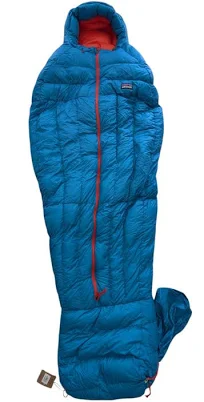
- Down fill + nylon or polyester shell with water-repellent coating treatment
- The brand calls it PFAS-free, which we have not verified
- PFAS
2 hazards checked on this product, all on its full breakdown.
Find an alternative on AmazonMore sleeping bags grades
How we score, every product runs through the same public 0-100 rubric based on materials, coatings, brand disclosure, lab findings, and recalls. See the full methodology → Spotted a mistake? Report an error.