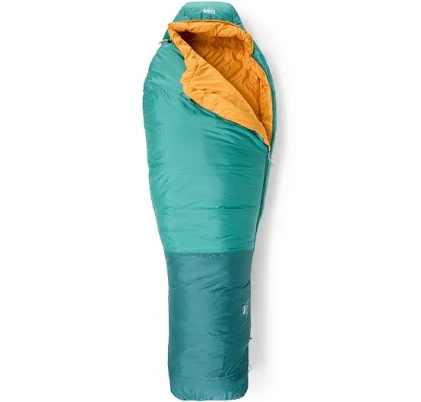
REI Co-op Trailmade 25 Sleeping Bag Green Long
REI provides no water-resistant coating information for this bag.
This polyester sleeping bag has a water-repellent coating, but REI Co-op won't disclose PFAS content. Most outdoor gear uses PFAS-based treatments, though some brands now offer fluorine-free options.
Still want this one anyway? Check the price on Amazon. We’d swap it.
Material
Polyester shell with water-repellent coating treatment; synthetic insulation
Lab data
No public lab test
You may also be interested in
Top-graded picks in the categories readers replace first, every one scored on the same rubric.

- polypropylene filter housing, carbon/sediment cartridge
- We found no PFAS statement from the brand
- Bacterial growth in spent cartridges
3 hazards checked on this product, all on its full breakdown.

Aquasure
Premier Series 75 GPD Under Sink Reverse Osmosis Water Filtration System
- RO membrane, carbon filters, stainless steel housing
- We found no PFAS statement from the brand
- Bacterial and microbial growth in housing and filters
4 hazards checked on this product, all on its full breakdown.

Avocado
Vegan Mattress
- organic cotton, natural latex, coconut coir, recycled steel coils
- The brand calls it PFAS-free, which we have not verified
- Heavy metals
2 hazards checked on this product, all on its full breakdown.
What REI Co-op Trailmade 25 Bag Green Long is made of, ingredients and materials
The Trailmade 25 uses a polyester shell fabric with a water-repellent coating (water-repellent coating) finish, a standard construction for mid-range sleeping bags. Polyester itself is chemically stable when intact, but the water-repellent coating applied to the exterior is the main concern, these finishes are commonly fluorocarbon-based (PFAS) to achieve water shedding without degrading fabric breathability. The synthetic insulation is typically polyester fiberfill, which does not off-gas VOCs at normal use temperatures but can shed microfibers during normal wear and washing.
What’s concerning
Category baseline
The starting point for this type of product, before anything specific to this product is counted.
No PFAS disclosure
No public statement from the brand about PFAS in this product.
Waterproof / stain-resistant treatment
Water-repellent coating treatments have historically used PFAS.
PFAS
Polyester water-repellent coating finishes on sleeping bags are predominantly fluorocarbon-based; REI does not disclose chemistry. No independent test data on this specific product is on record, but the category norm assumes PFAS presence unless stated otherwise.
Source, ATSDR ↗Microfiber shedding from polyester shell and insulation
All polyester textiles shed microfibers, especially during washing and handling. Sleeping bags undergo movement friction in use; no brand-specific data exists, but this is an inherent property of the material class and a known environmental concern.
Shell or seam degradation and coating breakdown over time
The water-repellent coating can degrade after 2-5 years of use and washing; once compromised, water may penetrate to the insulation layer. This does not create acute chemical hazard but reduces function and may prompt premature replacement, increasing landfill burden.
What’s reassuring
Residual dyes or finishes in polyester
No reports of formaldehyde, azo dyes, or heavy-metal pigments in REI Co-op sleeping bags. Polyester fabrics sold in North America typically meet CPSIA and Oeko-Tex baseline standards for colorants, though independent verification is not published for this product.
Synthetic insulation off-gassing (polyester fiberfill)
Modern polyester insulation does not emit VOCs at ambient or normal sleep temperatures. No thermal decomposition or odor complaints are documented for this product. Off-gassing is not a recognized issue for synthetic sleeping bags under normal use.
How is this PFAS grade calculated?
The brand's record and disclosure
REI Co-op has not published a specific commitment to PFAS phase-out or transparent chemical disclosure for sleeping bags or technical textiles. The co-operative has made sustainability commitments in supply chains but does not publicly disclose water-repellent coating chemistry on product pages or technical specs. No recalls or documented safety controversies have been associated with REI Co-op sleeping bags in public records. This silence is typical of the outdoor-gear industry; it does not confirm PFAS presence but reflects lack of proactive transparency.
How it compares in its category
Most mainstream sleeping bags in the 25-degree synthetic range (REI Trailmade, Coleman, Big Agnes budget lines) use polyester with conventional fluorocarbon water-repellent coating coatings. Higher-end brands (Patagonia, Arc'teryx) increasingly disclose PFAS-free alternatives (e.g., wax-based or silicone water-repellent coating), but charge 20-40% premium. Budget and mid-tier bags like the Trailmade 25 typically offer no PFAS alternative. The REI Co-op bag is competitively positioned but offers no material advantage in chemical transparency versus competitors at this price tier.
If you buy it
Wash infrequently (2-3 times per season at most) in cool water with mild soap to preserve the water-repellent coating and minimize microfiber shedding and potential PFAS leaching into wastewater. Do not dry-clean or expose to high heat (dry on low or air-dry only). Replace the bag if the shell tears or separates from insulation, as repair compounds may introduce new chemicals. Store dry in a loose cotton sack, not compressed, to extend insulation life and prevent off-gassing in sealed conditions.
What is not known about PFAS in this product?
- Basis
- Model estimate, 45% confidence, not a lab result
- Lab test
- None on record for this exact product
- Brand statement
- REI Co-op has made a specific claim
Formulations change between production runs, so check the current label. How we grade.
What are the PFAS-free alternatives to REI Co-op Trailmade 25 Sleeping Bag Green Long?
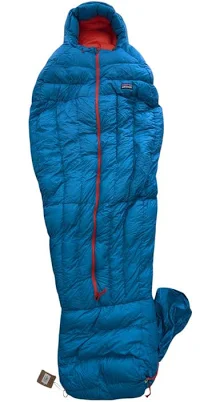
- Down fill + nylon or polyester shell with water-repellent coating treatment
- The brand calls it PFAS-free, which we have not verified
- PFAS
2 hazards checked on this product, all on its full breakdown.
Find an alternative on AmazonMore sleeping bags grades
How we score, every product runs through the same public 0-100 rubric based on materials, coatings, brand disclosure, lab findings, and recalls. See the full methodology → Spotted a mistake? Report an error.