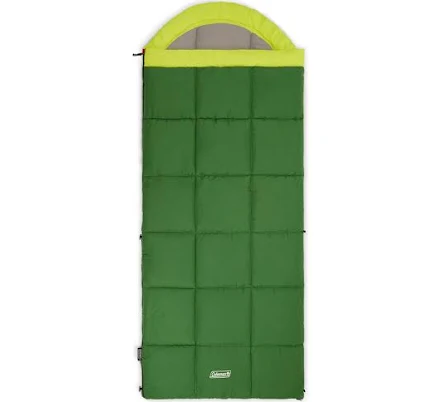
Coleman Arch Bay 30 Sleeping Bag
Skip or ask Coleman for coating specifics.
Coleman won't disclose the water-repellent coating chemistry on this bag. Budget outdoor gear typically relies on PFAS-based waterproofing treatments.
Still want this one anyway? Check the price on Amazon. We’d swap it.
Material
polyester shell with water-repellent coating
Lab data
No public lab test
You may also be interested in
Top-graded picks in the categories readers replace first, every one scored on the same rubric.

- polypropylene filter housing, carbon/sediment cartridge
- We found no PFAS statement from the brand
- Bacterial growth in spent cartridges
3 hazards checked on this product, all on its full breakdown.

Aquasure
Premier Series 75 GPD Under Sink Reverse Osmosis Water Filtration System
- RO membrane, carbon filters, stainless steel housing
- We found no PFAS statement from the brand
- Bacterial and microbial growth in housing and filters
4 hazards checked on this product, all on its full breakdown.

Avocado
Vegan Mattress
- organic cotton, natural latex, coconut coir, recycled steel coils
- The brand calls it PFAS-free, which we have not verified
- Heavy metals
2 hazards checked on this product, all on its full breakdown.
What Coleman Arch Bay 30 Sleeping Bag is made of, ingredients and materials
The Arch Bay 30 uses a polyester shell fabric with a water-repellent coating (water-repellent coating) finish applied to the exterior. Polyester fiber itself is chemically stable and does not leach hormonal disruptors like BPA. However, the water-repellent coating, the treatment that makes water bead off, is the material of concern here. Budget-tier Coleman products typically use conventional fluorocarbon-based water-repellent coating finishes, which are persistent and bioaccumulative.
What’s concerning
Category baseline
The starting point for this type of product, before anything specific to this product is counted.
No PFAS disclosure
No public statement from the brand about PFAS in this product.
Waterproof / stain-resistant treatment
Water-repellent coating treatments have historically used PFAS.
PFAS
Coleman does not disclose water-repellent coating chemistry on budget products; conventional fluorocarbon finishes used at this price point typically contain perfluorinated compounds, though direct skin exposure from sleeping bag use is low compared to food-contact cookware.
Source, ATSDR ↗Microplastics
Washing, friction, and UV exposure can degrade polyester fibers; sleeping bags are not worn against skin for extended periods, limiting inhalation risk, but repeated washing may shed microfibers into water.
Source, EPA ↗Off-gassing from polyester and finish
New polyester textiles sometimes emit volatile organic compounds (VOCs) from manufacturing residues and fabric treatments during the first few uses; well-ventilated storage and airing before use mitigates this.
Mold and bacterial growth
Sleeping bags stored wet or in humid conditions can develop mold and mildew; this is a hygiene risk, not a toxicology one, but common in budget bags with poor airflow drying.
Coating degradation over time
Coleman sleeping bag reviews commonly cite water-repellent coating failure within 1-2 years of regular use; as the coating breaks down, water repellency is lost and structural integrity may be compromised, but no chemical leaching hazard is documented once finish degrades.
How is this PFAS grade calculated?
The brand's record and disclosure
Coleman (owned by Newell Brands) does not publicly disclose the water-repellent coating chemistry used on outdoor products, nor does it publish commitment statements to fluorine-free water repellents. The brand has not published recalls or safety notices related to sleeping bag coatings. This silence is common among mass-market outdoor brands and reflects no obligation to disclose since sleeping bags are not food contact or cosmetic items under FDA jurisdiction.
How it compares in its category
The Arch Bay 30 sits at the lower end of the sleeping bag market by price. Premium and mid-tier competitors (REI, The North Face, Mountain Hardwear) increasingly offer fluorine-free water-repellent coating options or transparent sourcing; budget lines including Coleman typically do not. Sleeping bags with wax-based or silicone-based water repellents exist but are rarer in this price tier.
If you buy it
Keep the sleeping bag away from direct flame and very high heat (above 130°F), as polyester begins to degrade and off-gas. Wash according to Coleman's instructions and air-dry; machine drying can degrade the water-repellent coating finish and potentially release particles. Inspect the shell annually for tears or coating breakdown; a compromised exterior increases water ingress and mold risk. If you want to reduce PFAS uncertainty, contact Coleman directly to confirm the water-repellent coating chemistry before purchase.
What is not known about PFAS in this product?
- Basis
- Model estimate, 45% confidence, not a lab result
- Lab test
- None on record for this exact product
- Brand statement
- Coleman has made a specific claim
Formulations change between production runs, so check the current label. How we grade.
What are the PFAS-free alternatives to Coleman Arch Bay 30 Sleeping Bag?
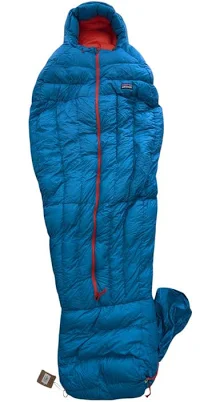
- Down fill + nylon or polyester shell with water-repellent coating treatment
- The brand calls it PFAS-free, which we have not verified
- PFAS
2 hazards checked on this product, all on its full breakdown.
Find an alternative on AmazonMore sleeping bags grades
How we score, every product runs through the same public 0-100 rubric based on materials, coatings, brand disclosure, lab findings, and recalls. See the full methodology → Spotted a mistake? Report an error.