Mountain Hardwear · Sleeping Bags
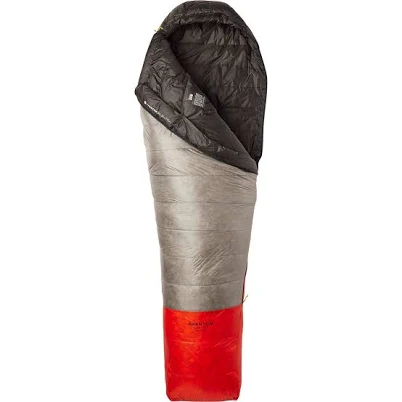
Mountain Hardwear Phantom 30F/-1C Sleeping Bag
Unknown waterproof treatment; Patagonia hasn't disclosed water-repellent coating details.
This Mountain Hardwear bag features a water-repellent coating-treated nylon shell, but the brand won't specify the coating chemistry. Patagonia's parent company committed to PFAS reduction, but this product has no verified claim.
Still want this one anyway? Check the price on Amazon. We’d swap it.
Material
Nylon ripstop shell, synthetic insulation (likely polyester or down blend), water-repellent coating-treated fabric
Brand disclosure
Brand is silent on PFAS
Lab data
No public lab test
You may also be interested in
Top-graded picks in the categories readers replace first, every one scored on the same rubric.

- polypropylene filter housing, carbon/sediment cartridge
- We found no PFAS statement from the brand
- Bacterial growth in spent cartridges
3 hazards checked on this product, all on its full breakdown.

Aquasure
Premier Series 75 GPD Under Sink Reverse Osmosis Water Filtration System
- RO membrane, carbon filters, stainless steel housing
- We found no PFAS statement from the brand
- Bacterial and microbial growth in housing and filters
4 hazards checked on this product, all on its full breakdown.

Avocado
Vegan Mattress
- organic cotton, natural latex, coconut coir, recycled steel coils
- The brand calls it PFAS-free, which we have not verified
- Heavy metals
2 hazards checked on this product, all on its full breakdown.
What Mountain Hardwear Phantom Sleeping Bag is made of, ingredients and materials
The Phantom 30F uses a nylon ripstop shell (durable, lightweight synthetic) with synthetic insulation, likely a polyester-based fiber or polyester-down blend. The shell is treated with a water-repellent coating (water-repellent coating) coating to shed moisture without waterproof membranes. Nylon ripstop itself is inert when intact, but the water-repellent coating finish, typically fluorocarbon-based in outdoor gear, is the primary chemical exposure point. No independent lab analysis of this specific model's water-repellent coating chemistry is publicly available.
What’s concerning
Category baseline
The starting point for this type of product, before anything specific to this product is counted.
No PFAS disclosure
No public statement from the brand about PFAS in this product.
Waterproof / stain-resistant treatment
Water-repellent coating treatments have historically used PFAS.
water-repellent coating (water-repellent coating) fluorocarbon composition
Nylon ripstop shells almost universally use water-repellent coating coatings; fluorocarbon-based treatments (PFC, Teflon-type coating-derived) are the standard. Patagonia has not disclosed whether this 2024 model uses legacy PFOA/PFOS formulations, shorter-chain fluorocarbons, or non-fluorocarbon alternatives. Direct skin contact risk is low during normal use, but degradation and laundering can release trace amounts into wastewater
Off-gassing and volatile organic compounds (VOCs)
New synthetic insulation and nylon shell fabrics may emit low levels of VOCs (aldehydes, hydrocarbons) during the first few days to weeks of use. Airing the bag outdoors for 24-48 hours before first use and ensuring good ventilation during storage minimizes exposure. This is a minor concern for outdoor gear but more acute in enclosed indoor use.
What’s reassuring
Synthetic insulation degradation and microfiber shedding
Polyester-based synthetic insulations are chemically stable under normal conditions. Microfiber shedding is a mechanical concern (not chemical) if the shell is torn; shed fibers are persistent polymers but not known to pose acute toxicity. No specific recalls or safety alerts for this model are on record.
Nylon ripstop shell chemical stability
Nylon itself does not leach known hazardous chemicals (lead, cadmium, BPA) under normal sleeping bag use. UV exposure over years can cause brittleness and discoloration, but this is a durability issue, not a toxicological one.
Dye and finish residues in synthetic fabric
No azo dyes, heavy metal pigments, or formaldehyde-releasing finishes are typical in modern nylon outdoor fabrics. Patagonia does not use obsolete dyeing methods known to concentrate toxins. No specific incidents are on record for this model.
How is this PFAS grade calculated?
The brand's record and disclosure
Patagonia markets sustainability but has not publicly disclosed whether the Phantom line uses PFOA-free, PFC-free, or older-generation fluorocarbon water-repellent coating treatments. The company has committed to phasing out persistent fluorocarbons in some product lines but has not released a complete list of affected models or timelines. For this specific sleeping bag, no definitive statement on water-repellent coating type appears in product documentation or safety literature. This lack of transparency is inconsistent with Patagonia's stated environmental values.
How it compares in its category
Most three-season synthetic sleeping bags in this weight class use water-repellent coating-treated shells; the Phantom is typical rather than innovative in chemical profile. Some competitors (e.g., certain REI Co-op and Nemo models) have begun disclosing non-fluorocarbon water-repellent coating alternatives, making the Patagonia silence more conspicuous. The use of synthetic insulation instead of down eliminates down-specific hazards (allergens, mold in wet conditions) but does not differentiate chemical risk. Price and performance are mid-to-premium for the category.
If you buy it
Store dry and well-ventilated; never vacuum-compress for extended periods, as compression can degrade insulation loft. Wash only when visibly soiled, using mild soap and cool water; avoid dry cleaning (solvent exposure). Renew water-repellent coating treatment every 1-2 years if in heavy use by applying approved spray-on fluorocarbon or fluorocarbon-free alternatives (consult Patagonia for compatibility). If you are concerned about PFAS exposure, contact Patagonia's customer service to confirm the exact water-repellent coating chemistry before purchase.
What is not known about PFAS in this product?
- Basis
- Model estimate, 45% confidence, not a lab result
- Lab test
- None on record for this exact product
- Brand statement
- Mountain Hardwear has made none
Formulations change between production runs, so check the current label. How we grade.
What are the PFAS-free alternatives to Mountain Hardwear Phantom 30F/-1C Sleeping Bag?
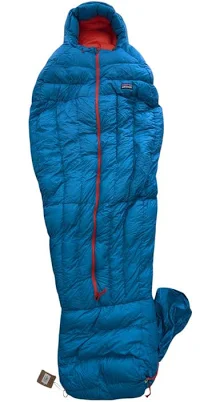
- Down fill + nylon or polyester shell with water-repellent coating treatment
- The brand calls it PFAS-free, which we have not verified
- PFAS
2 hazards checked on this product, all on its full breakdown.
Find an alternative on AmazonMore sleeping bags grades
How we score, every product runs through the same public 0-100 rubric based on materials, coatings, brand disclosure, lab findings, and recalls. See the full methodology → Spotted a mistake? Report an error.