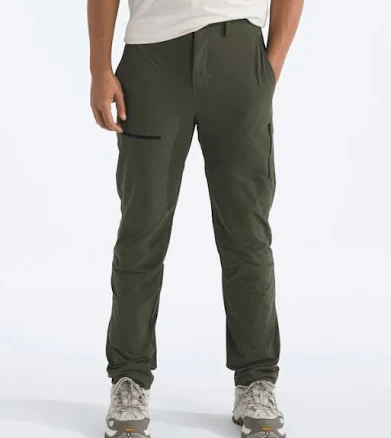
The North Face Men's Basin Pants
High risk; waterproof pants likely treated with legacy PFAS without brand disclosure.
These nylon/polyester pants have a water-repellent coating finish, historically reliant on PFAS chemistry. The North Face provides no public disclosure of PFAS use or alternatives.
Still want this one anyway? Check the price on Amazon. We’d swap it.
Material
nylon/polyester blend with water-repellent coating treatment
Lab data
No public lab test
You may also be interested in
Top-graded picks in the categories readers replace first, every one scored on the same rubric.

- polypropylene filter housing, carbon/sediment cartridge
- We found no PFAS statement from the brand
- Bacterial growth in spent cartridges
3 hazards checked on this product, all on its full breakdown.

Aquasure
Premier Series 75 GPD Under Sink Reverse Osmosis Water Filtration System
- RO membrane, carbon filters, stainless steel housing
- We found no PFAS statement from the brand
- Bacterial and microbial growth in housing and filters
4 hazards checked on this product, all on its full breakdown.

Avocado
Vegan Mattress
- organic cotton, natural latex, coconut coir, recycled steel coils
- The brand calls it PFAS-free, which we have not verified
- Heavy metals
2 hazards checked on this product, all on its full breakdown.
What The North Face Men's Basin Pants is made of, ingredients and materials
Basin Pants are a nylon/polyester blend with a water-repellent coating (water-repellent coating) finish applied to the outer layer. water-repellent coating coatings on outdoor apparel have historically relied on PFAS "forever chemicals" (PFAS) to achieve water shedding, though some manufacturers have begun phasing to non-fluorinated alternatives. The nylon and polyester themselves are stable synthetic fibers with low leaching risk under normal wear; the water-repellent coating treatment is the primary chemical concern.
What’s concerning
Category baseline
The starting point for this type of product, before anything specific to this product is counted.
No PFAS disclosure
No public statement from the brand about PFAS in this product.
Waterproof / stain-resistant treatment
Water-repellent coating treatments have historically used PFAS.
water-repellent coating (water-repellent coating) coating chemistry
Basin Pants use legacy water-repellent coating finishes typical of major outdoor brands; these most commonly contain fluorinated compounds (legacy PFAS). North Face does not disclose which chemistry is used, making exposure assessment impossible without independent testing.
Antimony in polyester
Polyester can contain antimony trioxide as a catalyst; most commercial-grade polyester meets safety limits, but North Face does not disclose polyester sourcing or catalyst chemistry, so residual antimony cannot be ruled out.
water-repellent coating degradation and microfiber shedding
Washing synthetic apparel sheds microfibers; water-repellent coating-treated garments may shed fibers carrying residual coating chemicals. Quantity is small per wash, but cumulative environmental and exposure risk increases with frequent laundering over years of use.
What’s reassuring
Heavy metals
No recalls, warnings, or established contamination on record for Basin Pants or North Face apparel in this hazard class. Standard dyeing for nylon/polyester blends carries minimal risk if production meets EU or US safety standards, but North Face does not transparently certify dye chemistry.
Source, FDA ↗Formaldehyde / VOCs
Water-repellent coating finishes do not typically rely on formaldehyde; no evidence of formaldehyde-releasing treatments in North Face nylon/polyester apparel. This hazard is not a documented concern for this product class.
Source, ATSDR ↗How is this PFAS grade calculated?
The brand's record and disclosure
The North Face has not publicly committed to PFAS-free water-repellent coating treatments or disclosed which specific water-repellent chemistry is used in Basin Pants. The company has made some sustainability pledges but remains silent on PFAS phase-out timelines or ingredient transparency specific to apparel. This opacity is common across large outdoor brands but limits consumer ability to assess chemical exposure.
How it compares in its category
Basin Pants sit in the mainstream hiking-pants market where water-repellent coating-treated nylon/polyester blends dominate. Competitors including Arc'teryx, Patagonia, and Columbia maintain similar disclosure practices, though Patagonia has publicly pursued fluorine-free water-repellent coating options in some lines. Price and performance of Basin Pants are competitive; chemical transparency is not a differentiator in this category.
If you buy it
Washing frequency matters, infrequent gentle washing (cold water, mild detergent) slows water-repellent coating degradation and reduces any potential leaching. Avoid heat (dryers, ironing) as high temperature can accelerate coating breakdown. water-repellent coating treatments naturally degrade with use and laundering; re-treatment products are available and typically contain similar PFAS or alternatives with lower PFAS concern depending on product choice. Expect the water-repellent finish to noticeably diminish after 1-2 years of regular use.
What is not known about PFAS in this product?
- Basis
- Model estimate, 45% confidence, not a lab result
- Lab test
- None on record for this exact product
- Brand statement
- The North Face has made a specific claim
Formulations change between production runs, so check the current label. How we grade.
What are the PFAS-free alternatives to The North Face Men's Basin Pants?
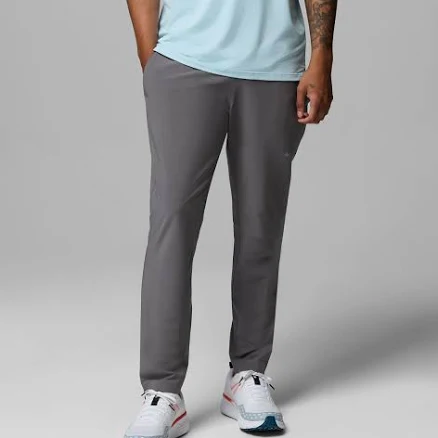
- cotton-blend chino twill (no water-repellent treatment noted)
- Azo dyes (synthetic colorants)
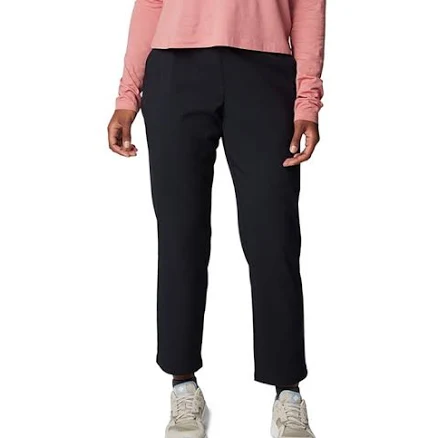
- Nylon/polyester blend knit, no stated water-repellent finish
- Formaldehyde / VOCs
3 hazards checked on this product, all on its full breakdown.
Find an alternative on Amazon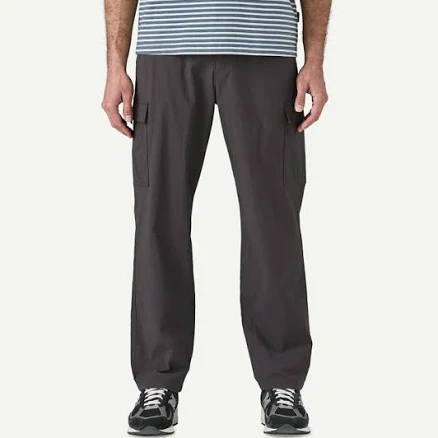
- Nylon blend with water-repellent coating water-repellent finish
- The brand calls it PFAS-free, which we have not verified
- water-repellent coating finish chemistry (unverified)
2 hazards checked on this product, all on its full breakdown.
Find an alternative on AmazonMore hiking pants grades
How we score, every product runs through the same public 0-100 rubric based on materials, coatings, brand disclosure, lab findings, and recalls. See the full methodology → Spotted a mistake? Report an error.