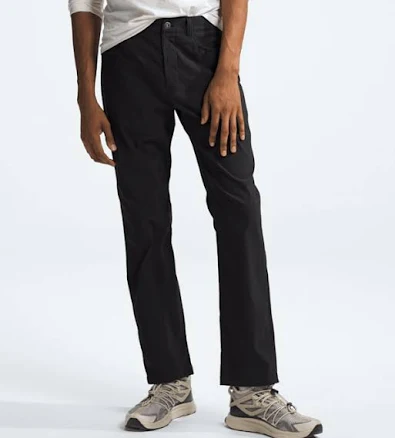
The North Face Men's Sprag 5-Pocket Pants
water-repellent coating finish chemistry not stated. No PFAS statement from The North Face on record.
These cotton/nylon blend hiking pants have a water-repellent coating finish. The chemistry of the water-repellent coating treatment is not disclosed. The North Face has no PFAS statement on record for this product.
Still want this one anyway? Check the price on Amazon. We’d swap it.
Material
Cotton/nylon blend with water-repellent coating finish (likely fluorocarbon-based)
Lab data
No public lab test
You may also be interested in
Top-graded picks in the categories readers replace first, every one scored on the same rubric.

- polypropylene filter housing, carbon/sediment cartridge
- We found no PFAS statement from the brand
- Bacterial growth in spent cartridges
3 hazards checked on this product, all on its full breakdown.

Aquasure
Premier Series 75 GPD Under Sink Reverse Osmosis Water Filtration System
- RO membrane, carbon filters, stainless steel housing
- We found no PFAS statement from the brand
- Bacterial and microbial growth in housing and filters
4 hazards checked on this product, all on its full breakdown.

Avocado
Vegan Mattress
- organic cotton, natural latex, coconut coir, recycled steel coils
- The brand calls it PFAS-free, which we have not verified
- Heavy metals
2 hazards checked on this product, all on its full breakdown.
What The North Face Men's Sprag 5-Pocket Pants is made of, ingredients and materials
The Sprag pants blend cotton and nylon with a water-repellent coating (water-repellent coating) finish, almost certainly fluorocarbon-based given North Face's silent stance on alternatives. The cotton component is inherently low-hazard; nylon itself is chemically stable. The water-repellent coating is the critical variable, fluorocarbon water-repellent coating formulations have historically relied on PFAS compounds that resist degradation and water uptake. No public testing or certification data exists for this specific product's water-repellent coating composition.
What’s concerning
Category baseline
The starting point for this type of product, before anything specific to this product is counted.
No PFAS disclosure
No public statement from the brand about PFAS in this product.
Waterproof / stain-resistant treatment
Water-repellent coating treatments have historically used PFAS.
PFAS
Fluorocarbon water-repellent coating is standard for this product class and era; North Face has not disclosed whether legacy PFAS or alternatives are used. Skin contact and wash-water leaching are the primary routes.
Source, ATSDR ↗Coating degradation and microparticle shedding
Fluorocarbon water-repellent coating coatings can shed fine particles during washing and wear, especially after multiple cycles. Extent and health relevance remain understudied for consumer textiles, but microparticle inhalation is a theoretical concern in frequent laundering.
What’s reassuring
Formaldehyde / VOCs
No formaldehyde-release complaints or recalls on record for this product. Cotton and nylon blends typically require minimal formaldehyde resin; standard industrial washing during manufacturing may reduce residual levels.
Source, ATSDR ↗Azo dyes and colorant toxicity
No specific color-fastness issues or azo-dye health incidents documented for this model. North Face uses mainstream textile dyers; restricted azo dyes are largely phased out in major apparel supply chains, though full transparency is not universal.
Antimony in polyester (nylon component)
Nylon is not a polyester; antimony catalyst concerns apply to polyester only. This blend does not involve polyester, eliminating this hazard class.
How is this PFAS grade calculated?
The brand's record and disclosure
The North Face has not published transparent commitments to PFAS-free water-repellent coating, nor has it disclosed testing results for individual products. The parent company, VF Corp, signed the AFIRM pledge in 2022 but set targets for 2025 onward without interim transparency. No recalls or safety notices specific to this model are documented. The brand's silence on water-repellent coating chemistry is the defining gap for consumer assessment.
How it compares in its category
Most performance hiking pants at this price point use fluorocarbon or unknown water-repellent coating finishes. Competitors like Patagonia and Arc'teryx have published more detailed sustainability commitments, though Arc'teryx similarly avoids explicit PFAS bans. Budget brands often omit water-repellent coating entirely or use wax-based alternatives. The Sprag occupies mid-tier terrain with mid-tier transparency, making it neither standout nor outlier.
If you buy it
Wash in cool water with gentle detergent to minimize any potential leaching from the water-repellent coating finish; avoid high heat dryers, as heat may accelerate coating breakdown and off-gassing. Do not use fabric softeners, which can degrade water repellency and may interact unpredictably with fluorocarbon coatings. Plan to replace once water-repellent coating visibly fails (water no longer beads), typically 2-4 years of regular use. Request PFAS testing transparency from North Face before purchase if this is a concern.
What is not known about PFAS in this product?
- Basis
- Model estimate, 45% confidence, not a lab result
- Lab test
- None on record for this exact product
- Brand statement
- The North Face has made a specific claim
Formulations change between production runs, so check the current label. How we grade.
What are the PFAS-free alternatives to The North Face Men's Sprag 5-Pocket Pants?
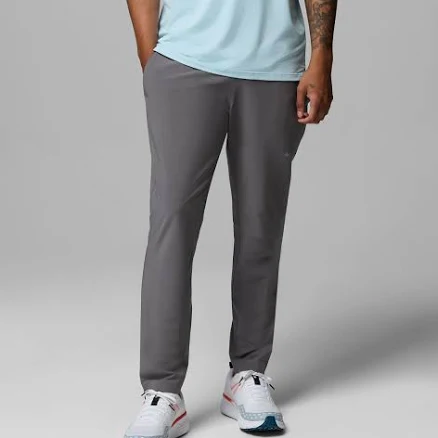
- cotton-blend chino twill (no water-repellent treatment noted)
- Azo dyes (synthetic colorants)
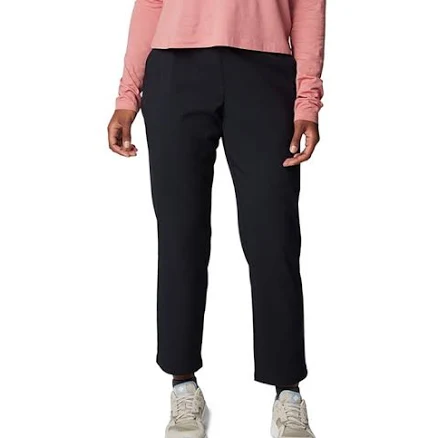
- Nylon/polyester blend knit, no stated water-repellent finish
- Formaldehyde / VOCs
3 hazards checked on this product, all on its full breakdown.
Find an alternative on Amazon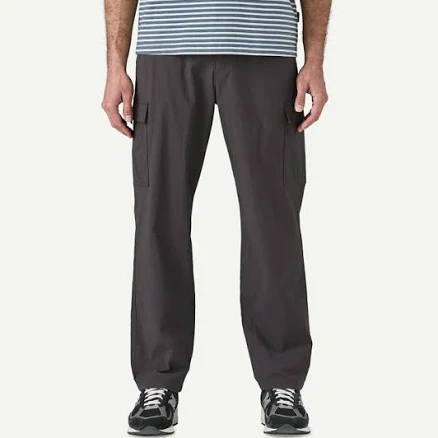
- Nylon blend with water-repellent coating water-repellent finish
- The brand calls it PFAS-free, which we have not verified
- water-repellent coating finish chemistry (unverified)
2 hazards checked on this product, all on its full breakdown.
Find an alternative on AmazonMore hiking pants grades
How we score, every product runs through the same public 0-100 rubric based on materials, coatings, brand disclosure, lab findings, and recalls. See the full methodology → Spotted a mistake? Report an error.