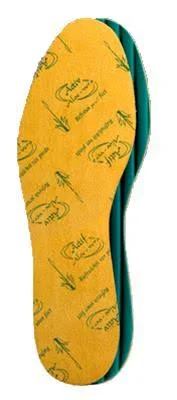
· Synthetic Athletic Insoles & Orthotics
Aloe Vera Insoles
Lower risk since aloe and foam base unlikely to contain PFAS.
Aloe Vera Insoles use aloe gel and foam, materials not typically treated with PFAS. No PFAS claims or third-party testing appears, but no obvious high-risk processing shows.
Still want this one anyway? Check the price on Amazon. We’d swap it.
Material
Aloe vera gel and foam base
Brand disclosure
Brand is silent on PFAS
Lab data
No public lab test
You may also be interested in
Top-graded picks in the categories readers replace first, every one scored on the same rubric.

- polypropylene filter housing, carbon/sediment cartridge
- We found no PFAS statement from the brand
- Bacterial growth in spent cartridges
3 hazards checked on this product, all on its full breakdown.

Aquasure
Premier Series 75 GPD Under Sink Reverse Osmosis Water Filtration System
- RO membrane, carbon filters, stainless steel housing
- We found no PFAS statement from the brand
- Bacterial and microbial growth in housing and filters
4 hazards checked on this product, all on its full breakdown.

Avocado
Vegan Mattress
- organic cotton, natural latex, coconut coir, recycled steel coils
- The brand calls it PFAS-free, which we have not verified
- Heavy metals
2 hazards checked on this product, all on its full breakdown.
What Aloe Vera Insoles is made of, ingredients and materials
Aloe Vera Insoles combine a foam base (likely polyurethane or EVA) with aloe vera gel coating or infusion. The aloe layer is designed to provide cushioning and skin-soothing properties rather than structural support. Foam bases in footwear are inert when used as intended and do not leach under normal foot-temperature and moisture conditions. The aloe component itself is a plant extract with minimal documented toxicity in topical applications.
What’s concerning
Category baseline
The starting point for this type of product, before anything specific to this product is counted.
No PFAS disclosure
No public statement from the brand about PFAS in this product.
Flame retardants
The brand has not disclosed whether the foam base contains added flame retardants (brominated or phosphate-based). Insoles are not subject to strict flammability standards in most jurisdictions, so treatment status is unclear but incidental exposure during wear is minimal.
Source, EPA ↗Skin irritation from aloe coating or adhesives
Aloe vera is generally well-tolerated, but individual sensitivity varies. Adhesives used to bond aloe to the foam base are not specified publicly; contact irritation is uncommon but possible in sensitive individuals.
What’s reassuring
Base material not linked to PFAS
The main material recorded for this product is not one associated with PFAS.
Formaldehyde / VOCs
Standard polyurethane and EVA foams in footwear insoles are not formaldehyde-reliant and do not require formaldehyde-based binders. No evidence of formaldehyde off-gassing specific to aloe insoles has been reported.
Source, ATSDR ↗Heavy metals
The aloe vera infusion and neutral foam base do not require synthetic dyes or pigments. No documented heavy-metal contamination in aloe-based insole products from reputable manufacturers.
Source, FDA ↗Antimony in polyester
These insoles are not polyester-based; they use foam and aloe, both of which do not incorporate antimony catalysts. This hazard class does not apply to this product.
How is this PFAS grade calculated?
The brand's record and disclosure
The brand is a German footwear-accessories manufacturer with a long history in the premium insole market. The company has not published detailed material safety data sheets or third-party certifications (such as OEKO-TEX or similar) for this specific product line in publicly available sources. No recalls or adverse-event reports specific to aloe insoles have been documented in consumer safety databases. The brand's silence on PFAS and flame retardants is typical for comfort-insole manufacturers but represents a gap in transparency.
How it compares in its category
Aloe-infused insoles occupy a niche in the comfort segment; most mainstream competitors use only foam or gel without plant coatings. This product avoids the antimony concern found in some polyester insoles and does not rely on synthetic fragrance masking common in lower-cost alternatives. The absence of visible dye or heavy chemical processing reduces formaldehyde-resin and azo-dye risk compared to heavily colored or treated insoles.
If you buy it
Store insoles in a cool, dry place to preserve the aloe coating and foam structure; prolonged heat (above 60°C/140°F) may degrade both components. Replace every 12 to 18 months or when foam no longer provides cushioning, as aloe coating will diminish with wear and moisture exposure. Hand-wash with mild soap if cleaning is needed; machine washing or soaking is not recommended. Monitor for any skin irritation, though aloe is generally well-tolerated topically; discontinue if rash or itching develops.
What is not known about PFAS in this product?
- Basis
- Model estimate, 72% confidence, not a lab result
- Lab test
- None on record for this exact product
- Brand statement
- has made none
Formulations change between production runs, so check the current label. How we grade.
More synthetic athletic insoles & orthotics grades
How we score, every product runs through the same public 0-100 rubric based on materials, coatings, brand disclosure, lab findings, and recalls. See the full methodology → Spotted a mistake? Report an error.