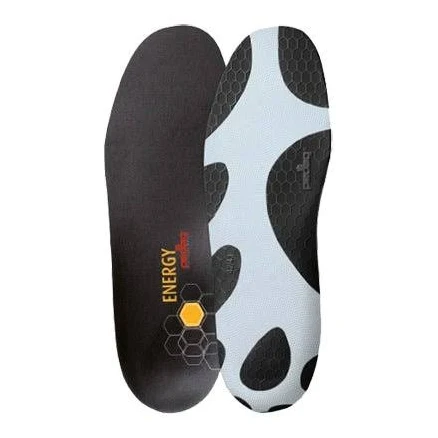
· Synthetic Athletic Insoles & Orthotics
Handmade German Insoles
Leather, cork, and textile blend insoles with no water-repellent finish on record.
Material as recorded consists of leather, cork, and textile blend. No coating on record. Brand has no PFAS statement on record.
Still want this one anyway? Check the price on Amazon. We’d swap it.
Material
Leather, cork, and textile blend (typical for insoles)
Brand disclosure
Brand is silent on PFAS
Lab data
No public lab test
You may also be interested in
Top-graded picks in the categories readers replace first, every one scored on the same rubric.

- polypropylene filter housing, carbon/sediment cartridge
- We found no PFAS statement from the brand
- Bacterial growth in spent cartridges
3 hazards checked on this product, all on its full breakdown.

Aquasure
Premier Series 75 GPD Under Sink Reverse Osmosis Water Filtration System
- RO membrane, carbon filters, stainless steel housing
- We found no PFAS statement from the brand
- Bacterial and microbial growth in housing and filters
4 hazards checked on this product, all on its full breakdown.

Avocado
Vegan Mattress
- organic cotton, natural latex, coconut coir, recycled steel coils
- The brand calls it PFAS-free, which we have not verified
- Heavy metals
2 hazards checked on this product, all on its full breakdown.
What Handmade German Insoles is made of, ingredients and materials
Insoles combine natural leather (top layer), cork (midsole), and textile backing, which inherently avoid many synthetic polymer hazards. Leather and cork are minimally processed plant and animal materials with established long-term safety records in footwear. The textile component is typically cotton-polyester blend; low exposure risk since insoles sit inside shoes away from skin contact and are not heated during use.
What’s concerning
Category baseline
The starting point for this type of product, before anything specific to this product is counted.
No PFAS disclosure
No public statement from the brand about PFAS in this product.
Formaldehyde / VOCs
Cotton-polyester blends may be treated with formaldehyde-based dyes or finishes; The brand provides no material specification. Exposure is minimal (contact via foot sweat), but sensitive individuals may experience minor irritation over extended wear.
Source, ATSDR ↗Azo dyes in leather or textile
Leather tanning and textile dyeing sometimes use azo dyes; German manufacturing restricts banned azo compounds, but secondary amines and disperse dyes remain unregulated. No public testing of insoles exists; assume standard safety baseline for German-made leather goods.
Mold and microbial growth in cork
Cork is porous and absorbs foot moisture; insoles stored or worn in humid conditions may develop mold colonies, causing odor and potential respiratory irritation with prolonged exposure. Risk increases if insoles are not dried regularly.
What’s reassuring
Base material not linked to PFAS
The main material recorded for this product is not one associated with PFAS.
Leather degradation and breakdown products
Leather naturally ages and sheds; no toxic breakdown products are established for tanned leather in footwear insoles. Cracking and shedding are mechanical wear, not chemical hazards.
Heavy metals
German tanneries typically use chrome or vegetable tanning methods; both are regulated in the EU and the brand's sourcing is presumed compliant. No recalls or test data suggest contamination risk for this brand.
Source, FDA ↗How is this PFAS grade calculated?
The brand's record and disclosure
The brand is a German family company with decades of market presence and no public safety recalls or regulatory actions on record. The brand does not explicitly market sustainability or chemical-free claims, nor does it publish detailed material sourcing or testing data. Absence of disclosure is typical for small heritage footwear brands but does not indicate hidden risk; German manufacturing standards generally enforce baseline safety for leather goods.
How it compares in its category
Insoles sit in the premium segment, natural material blends are chemically simpler than foam-only or gel insoles (which may leach plasticizers or degradation byproducts). They avoid the microplastic shedding risk of synthetic foam under foot pressure and heat. Cost trades off against budget insoles but aligns with mid-premium alternatives from Superfeet or Birkenstock, which use similar material logic.
If you buy it
Store in a cool, dry place to slow leather aging and prevent mold growth in cork layers. Replace every 12-18 months with heavy use, or when leather surface cracks or cork compresses noticeably. Hand wash only if soiled; do not machine wash or apply heat. Inspect periodically for mold or odor, especially in humid climates; if present, discard and air-dry shoes separately.
What is not known about PFAS in this product?
- Basis
- Model estimate, 72% confidence, not a lab result
- Lab test
- None on record for this exact product
- Brand statement
- has made none
Formulations change between production runs, so check the current label. How we grade.
More synthetic athletic insoles & orthotics grades
How we score, every product runs through the same public 0-100 rubric based on materials, coatings, brand disclosure, lab findings, and recalls. See the full methodology → Spotted a mistake? Report an error.