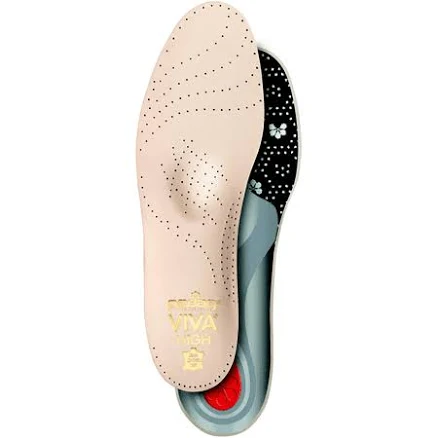
Pedag · Synthetic Athletic Insoles & Orthotics
Pedag Viva High Insoles
Low PFAS risk, no evidence of intentional fluorochemical treatment.
Pedag Viva High insoles are foam and textile shoe inserts without known waterproofing or stain treatments requiring PFAS. The brand makes no PFAS claims, but material composition suggests lower concern.
Still want this one anyway? Check the price on Amazon. We’d swap it.
Material
Foam, leather, textile base
Brand disclosure
Brand is silent on PFAS
Lab data
No public lab test
You may also be interested in
Top-graded picks in the categories readers replace first, every one scored on the same rubric.

- polypropylene filter housing, carbon/sediment cartridge
- We found no PFAS statement from the brand
- Bacterial growth in spent cartridges
3 hazards checked on this product, all on its full breakdown.

Aquasure
Premier Series 75 GPD Under Sink Reverse Osmosis Water Filtration System
- RO membrane, carbon filters, stainless steel housing
- We found no PFAS statement from the brand
- Bacterial and microbial growth in housing and filters
4 hazards checked on this product, all on its full breakdown.

Avocado
Vegan Mattress
- organic cotton, natural latex, coconut coir, recycled steel coils
- The brand calls it PFAS-free, which we have not verified
- Heavy metals
2 hazards checked on this product, all on its full breakdown.
What Pedag Viva High Insoles is made of, ingredients and materials
Pedag Viva High insoles combine cushioning foam (likely polyurethane or EVA), leather facing, and textile backing. The foam provides shock absorption, while leather and textiles contact skin directly. Foam degradation over time can shed microparticles, and leather tanning residues (chrome or vegetable-based) represent the primary chemical concern in this product category. No intentional fluorochemical surface treatment has been identified in available literature on this product line.
What’s concerning
Category baseline
The starting point for this type of product, before anything specific to this product is counted.
No PFAS disclosure
No public statement from the brand about PFAS in this product.
Heavy metals
Chrome or vegetable tanning processes used in leather facing may leave residual salts or trace metals (chromium, cobalt). Risk is low for intact leather with minimal skin contact, but worn or cracked leather increases leaching potential over months of wear.
Source, FDA ↗Foam microparticle shedding
Polyurethane or EVA foam degrades and sheds fine particles with extended compression and moisture exposure. Inhalation risk is negligible in normal use; skin irritation is unlikely but possible if foam directly contacts open wounds or very sensitive skin.
Formaldehyde / VOCs
Textile base may contain residual formaldehyde from dye-fixing or resin treatments used in yarn processing. Skin contact is indirect (through shoe interior) and exposure is low, but not ruled out without third-party certification.
Source, ATSDR ↗Moisture-related fungal or bacterial growth
If insoles are worn in damp environments or stored wet, foam and leather can support microbial growth, producing odor and potential skin irritation. Proper drying is essential to prevent this.
What’s reassuring
Base material not linked to PFAS
The main material recorded for this product is not one associated with PFAS.
Azo dyes in leather or textile coloring
No public evidence of restricted azo dyes in Pedag insoles. Standard leather and textile dyeing in European manufacturers typically adheres to REACH restrictions, but third-party verification is absent.
How is this PFAS grade calculated?
The brand's record and disclosure
Pedag is a German footwear accessory manufacturer with limited public disclosure on chemical use or testing. No significant recalls, safety controversies, or transparency reports are on record for this product. The brand does not advertise PFAS-free status or third-party certifications (such as OEKO-TEX or LWG leather standard), which is typical for mid-tier insole makers. Lack of disclosure is not evidence of hazard but reflects industry norm rather than proactive safety communication.
How it compares in its category
Foam insoles carry lower chemical burden than pressure-molded or gel-filled alternatives. Pedag's use of leather rather than synthetic polymer facing is a minor advantage in microplastic shedding. Certified organic or OEKO-TEX insoles exist but cost 2-4 times more and provide marginal additional safety benefit for short-term use. This product sits in the mainstream comfort range without standout transparency.
If you buy it
Inspect leather facing for cracks or peeling quarterly and replace insoles every 12-18 months when foam compression becomes visible. Avoid prolonged moisture exposure (air-dry if wet; do not machine wash). Do not store in direct sunlight or near heat sources above 50 degrees Celsius, as foam can degrade and shed faster. Discontinue use if leather shows mold, odor, or skin irritation develops; this may signal moisture entrapment or tanning residue sensitivity.
What is not known about PFAS in this product?
- Basis
- Model estimate, 72% confidence, not a lab result
- Lab test
- None on record for this exact product
- Brand statement
- Pedag has made none
Formulations change between production runs, so check the current label. How we grade.
More synthetic athletic insoles & orthotics grades
How we score, every product runs through the same public 0-100 rubric based on materials, coatings, brand disclosure, lab findings, and recalls. See the full methodology → Spotted a mistake? Report an error.