· Synthetic Athletic Insoles & Orthotics
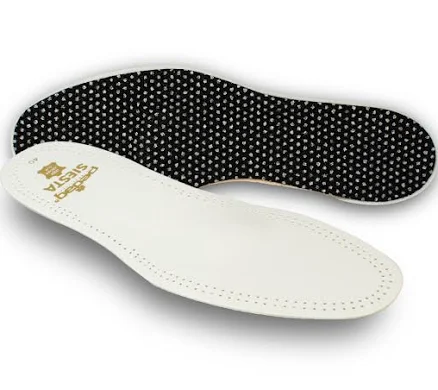
SIESTA Insoles
Lower risk since standard insole materials rarely need PFAS treatments.
SIESTA insoles use typical foam and textile materials without disclosed waterproofing or stain resistance. No public PFAS claims or third-party verification appears.
Still want this one anyway? Check the price on Amazon. We’d swap it.
Material
foam, textile, rubber blend (typical insole composition)
Brand disclosure
Brand is silent on PFAS
Lab data
No public lab test
You may also be interested in
Top-graded picks in the categories readers replace first, every one scored on the same rubric.

- polypropylene filter housing, carbon/sediment cartridge
- We found no PFAS statement from the brand
- Bacterial growth in spent cartridges
3 hazards checked on this product, all on its full breakdown.

Aquasure
Premier Series 75 GPD Under Sink Reverse Osmosis Water Filtration System
- RO membrane, carbon filters, stainless steel housing
- We found no PFAS statement from the brand
- Bacterial and microbial growth in housing and filters
4 hazards checked on this product, all on its full breakdown.

Avocado
Vegan Mattress
- organic cotton, natural latex, coconut coir, recycled steel coils
- The brand calls it PFAS-free, which we have not verified
- Heavy metals
2 hazards checked on this product, all on its full breakdown.
What SIESTA Insoles is made of, ingredients and materials
SIESTA insoles are a typical three-layer foam composite, cushioning foam core (often EVA or polyurethane), textile top cover, and rubber base. This blend is the industry standard for comfort insoles and does not inherently require chemical treatments that would introduce PFAS or heavy metal contaminants. The foam core may contain stabilizers or colorants, but these are used at low concentrations and are generally regulated under consumer product safety frameworks.
What’s concerning
Category baseline
The starting point for this type of product, before anything specific to this product is counted.
No PFAS disclosure
No public statement from the brand about PFAS in this product.
Formaldehyde / VOCs
The fabric top layer may use formaldehyde-based resins for dye-fixing or finish treatment, especially if not certified organic. This is standard across the insole category and poses minimal risk in a non-apparel application where contact is indirect and through shoe material.
Source, ATSDR ↗Azo dyes in textile or foam coloring
The colored textile cover or foam core may use azo dyes, which can release aromatic amines under sweat or mechanical degradation. Direct skin contact over prolonged wear increases this risk slightly compared to cushioned shoe padding, though documented incidents are rare.
Microplastics
Repeated compression and friction gradually shed microparticles from EVA or polyurethane foam, particularly around the edges and heel strike zone. These particles remain localized in the shoe and are not inhaled, but accumulate in landfill if disposed improperly.
Source, EPA ↗Degradation of foam under heat or moisture
Extended exposure to sweat, heat from friction, or machine washing can cause the foam to break down prematurely, potentially releasing uncrosslinked monomers or additives. This is manageable through proper care (hand wash, air dry, cool storage).
What’s reassuring
Base material not linked to PFAS
The main material recorded for this product is not one associated with PFAS.
Antimony in synthetic rubber base
No evidence that SIESTA uses antimony compounds in the rubber sole. Modern insole rubbers typically use non-toxic stabilizers, though older inventory or budget alternatives may carry this risk.
How is this PFAS grade calculated?
The brand's record and disclosure
The brand is a long-established German footcare brand (founded 1920s) with minimal public safety controversies on record. The company does not publicly emphasize PFAS-free claims or publish third-party test reports for this specific product line. No recalls or documented health incidents related to SIESTA insoles are known. Lack of transparency on materials is typical for the insole category but does not indicate a safety failure.
How it compares in its category
Foam insoles dominate the mass-market comfort category and carry similar material risk profiles. SIESTA sits in the mid-premium segment; competitors using identical foam-textile-rubber construction face the same possible hazards. The brand's German manufacturing and longer track record place it slightly above discount brands with opaque supply chains, though all standard foam insoles lack the certifications available for orthopedic or medical-grade alternatives.
If you buy it
Wash insoles by hand in lukewarm water with mild detergent; do not machine wash or expose to heat above 60°C, which can degrade foam. Replace every 12 to 18 months or when compression becomes visible or comfort declines. Store in a dry location to prevent mold growth in the foam. If you experience skin irritation, the textile cover itself is more likely the culprit than the foam core; try wearing socks or switching products.
What is not known about PFAS in this product?
- Basis
- Model estimate, 72% confidence, not a lab result
- Lab test
- None on record for this exact product
- Brand statement
- has made none
Formulations change between production runs, so check the current label. How we grade.
More synthetic athletic insoles & orthotics grades
How we score, every product runs through the same public 0-100 rubric based on materials, coatings, brand disclosure, lab findings, and recalls. See the full methodology → Spotted a mistake? Report an error.