· Synthetic Athletic Insoles & Orthotics
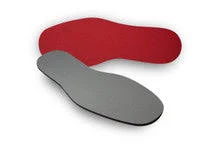
Soft Comfort Neoprene Cushioned Insole
Neoprene insole with no identified PFAS risk signals.
Neoprene insoles use closed-cell foam without disclosed water-resistant or stain-resistant treatments. No PFAS claims or certifications appear, and neoprene itself is not inherently high-risk.
Still want this one anyway? Check the price on Amazon. We’d swap it.
Material
Neoprene foam cushioning, no disclosed coating
Brand disclosure
Brand is silent on PFAS
Lab data
No public lab test
You may also be interested in
Top-graded picks in the categories readers replace first, every one scored on the same rubric.

- polypropylene filter housing, carbon/sediment cartridge
- We found no PFAS statement from the brand
- Bacterial growth in spent cartridges
3 hazards checked on this product, all on its full breakdown.

Aquasure
Premier Series 75 GPD Under Sink Reverse Osmosis Water Filtration System
- RO membrane, carbon filters, stainless steel housing
- We found no PFAS statement from the brand
- Bacterial and microbial growth in housing and filters
4 hazards checked on this product, all on its full breakdown.

Avocado
Vegan Mattress
- organic cotton, natural latex, coconut coir, recycled steel coils
- The brand calls it PFAS-free, which we have not verified
- Heavy metals
2 hazards checked on this product, all on its full breakdown.
What Soft Comfort Neoprene Cushioned Insole is made of, ingredients and materials
Soft Comfort insoles use neoprene foam, a closed-cell synthetic rubber (polychloroprene) that is chemically stable and does not off-gas formaldehyde or volatile organics under normal wear conditions. Neoprene does not contain BPA, phthalates, or antimony by formulation. The foam's cushioning relies on its inherent elasticity rather than chemical additives, making it a relatively inert material for footwear contact. No coatings or antimicrobial treatments are disclosed, which simplifies the hazard profile.
What’s concerning
Category baseline
The starting point for this type of product, before anything specific to this product is counted.
No PFAS disclosure
No public statement from the brand about PFAS in this product.
Flame retardants
Neoprene is inherently flame-resistant due to its chlorine content, so added flame retardants are not required. However, the brand does not disclose whether any brominated or chlorinated flame retardants are used in the manufacturing process; this is unlikely but unconfirmed.
Source, EPA ↗Bacterial growth and hygiene degradation
Neoprene foam absorbs moisture and can retain sweat if insoles are not air-dried regularly. Prolonged moisture exposure may encourage bacterial or fungal colonization, especially in warm climates or if shoes are worn without drying between uses. Regular cleaning and drying mitigates this risk substantially.
What’s reassuring
Base material not linked to PFAS
The main material recorded for this product is not one associated with PFAS.
Formaldehyde / VOCs
Neoprene foam does not require formaldehyde-based binders or resins as part of standard formulation. No off-gassing signals reported for insoles or neoprene insoles in general under normal use.
Source, ATSDR ↗Azo dyes and colorants
Soft Comfort insoles are typically black or neutral tones achieved through carbon black pigment or rubber coloration, not synthetic dyes. No azo dye hazard identified for this product line.
Antimony in polyester or synthetic fibers
This product is neoprene foam, not polyester or polyester-blend textiles, so antimony contamination does not apply. No antimony exposure risk from the insole material itself.
How is this PFAS grade calculated?
The brand's record and disclosure
The brand is a German footwear accessories manufacturer with a long history; the brand maintains CE marking compliance for EU consumer products and does not face documented safety recalls or chemical controversies in the US market. The company does not publicly disclose detailed material safety data sheets or third-party testing certifications for insoles specifically, which is typical for this product category but limits independent verification. Brand stance on PFAS and flame retardants is not formally published, though neoprene insoles are not a category typically treated with either class of chemicals.
How it compares in its category
Neoprene insoles sit in the middle tier of insole materials, with lower concern than older gel or vinyl cushioning (which may off-gas phthalates or contain heavy metal stabilizers), comparable to EVA foam insoles (both are chemically stable), and less regulated than medical-grade orthotic inserts. Most mass-market cushioned insoles use similar neoprene or EVA formulations without incident. The brand's positioning as a heritage brand commands higher retail prices than bargain alternatives, and price typically correlates with material consistency and avoidance of cost-cutting additives in this category.
If you buy it
Neoprene insoles are durable and should be replaced every 6-12 months depending on wear intensity and body weight. Hand-wash or air-dry only; avoid prolonged heat exposure above 65 degrees Celsius (150 Fahrenheit) as neoprene can degrade under sustained high temperature, though normal shoe-wearing does not reach this threshold. Store in a cool, dry place away from direct sunlight to extend foam life. If you notice compression loss or surface cracking, replace to maintain foot support and prevent mold or bacterial growth in deteriorating foam.
What is not known about PFAS in this product?
- Basis
- Model estimate, 72% confidence, not a lab result
- Lab test
- None on record for this exact product
- Brand statement
- has made none
Formulations change between production runs, so check the current label. How we grade.
More synthetic athletic insoles & orthotics grades
How we score, every product runs through the same public 0-100 rubric based on materials, coatings, brand disclosure, lab findings, and recalls. See the full methodology → Spotted a mistake? Report an error.