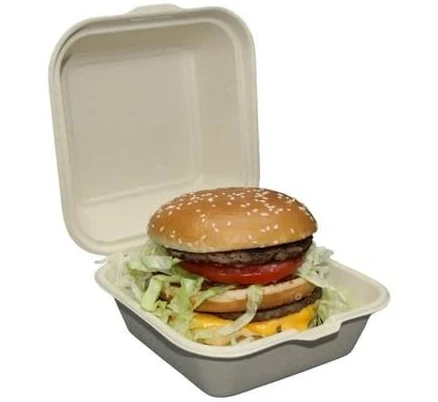
Plant Plates
Plant materials typically avoid Teflon-family coating, but confirm compostability status.
Plant Plates use molded fiber or plant bioplastics that rarely contain Teflon-type coating or Teflon-family coating nonstick layers. The brand doesn't address PFAS or list compostability certification.
We flunk more products than we pass. This one earned its grade. How we grade
Material
plant-based/compostable molded fiber or bioplastic
Brand disclosure
Brand is silent on PFAS
Lab data
No public lab test
You may also be interested in
Top-graded picks in the categories readers replace first, every one scored on the same rubric.

- polypropylene filter housing, carbon/sediment cartridge
- We found no PFAS statement from the brand
- Bacterial growth in spent cartridges
3 hazards checked on this product, all on its full breakdown.

Aquasure
Premier Series 75 GPD Under Sink Reverse Osmosis Water Filtration System
- RO membrane, carbon filters, stainless steel housing
- We found no PFAS statement from the brand
- Bacterial and microbial growth in housing and filters
4 hazards checked on this product, all on its full breakdown.

Avocado
Vegan Mattress
- organic cotton, natural latex, coconut coir, recycled steel coils
- The brand calls it PFAS-free, which we have not verified
- Heavy metals
2 hazards checked on this product, all on its full breakdown.
What Plant Plates is made of, ingredients and materials
Plant Plates are molded fiber or bioplastic (likely PLA, PBAT, or wood pulp composite) designed to be compostable rather than petroleum-derived. Plant-based materials avoid Teflon-family coating coatings that are common in conventional food packaging, reducing fluorochemical migration. However, bioplastics and fiber composites may be treated with processing aids, mold-release agents, or water-resistance coatings that could include synthetic additives; composition transparency from the brand is key to assessing actual exposure risk.
What’s concerning
No PFAS disclosure
No public statement from the brand about PFAS in this product.
Category baseline
The starting point for this type of product, before anything specific to this product is counted.
Bioplastic degradation and additive leaching
PLA and other biopolymers can break down under heat or UV, potentially releasing processing aids or plasticizers. No specific leaching data for the brand is public; risk depends on additives used and storage conditions.
Microplastics
Molded fiber and bioplastic plates can shed particles if flexed, stacked, or used repeatedly. Single-use design mitigates this, but reuse increases fragmentation risk and ingestion potential.
Source, EPA ↗Unlisted food-contact coatings or release agents
Molded fiber products are often treated with water-resistance coatings or mold-release compounds not always disclosed on packaging. These may include waxes, oils, or synthetic chemicals that could migrate to food.
Incomplete composting in home settings
Marketed as compostable but requires sustained 55-60 degrees Celsius in commercial facilities. Home composting often fails to achieve these conditions, leaving plates as persistent plastic-like debris.
What’s reassuring
Base material not linked to PFAS
The main material recorded for this product is not one associated with PFAS.
BPA & bisphenols
If the brand uses PLA alone, BPA/BPS risk is minimal; if blended with recycled or non-certified biopolymers, risk rises. No public disclosure or testing available for this specific product.
Source, FDA ↗How is this PFAS grade calculated?
The brand's record and disclosure
The brand has not published detailed material safety data sheets or third-party certifications visible in public records. The brand's silence on PFAS and chemical disclosure is a transparency gap typical of smaller compostable packaging makers. No recalls or safety incidents are on record for Plant Plates. Absence of disclosure does not confirm safety but reflects a lower regulatory burden on single-use food service items compared to reusable cookware.
How it compares in its category
Plant-based single-use plates are generally considered a lower-chemical alternative to conventional polyethylene terephthalate (PET) and polystyrene containers, which carry BPA and phthalate concerns. They occupy a middle ground, better on persistent organic contaminants but less tested long-term than established plastics. Compostable plates avoid the microplastic shedding risk of degraded conventional plastics, though home composting conditions may not achieve certified decomposition.
If you buy it
Use Plant Plates for room-temperature or warm (not hot) foods; bioplastics degrade and may leach additives above 50-60 degrees Celsius. Do not microwave unless packaging states it is microwave-safe. Store in cool, dry conditions away from direct sunlight to prevent premature degradation. Compost according to product instructions (commercial composting preferred); do not assume home bins achieve the heat and aeration required for certified compostability.
What is not known about PFAS in this product?
- Basis
- Model estimate, 72% confidence, not a lab result
- Lab test
- None on record for this exact product
- Brand statement
- has made none
Formulations change between production runs, so check the current label. How we grade.
What are the PFAS-free alternatives to Plant Plates?
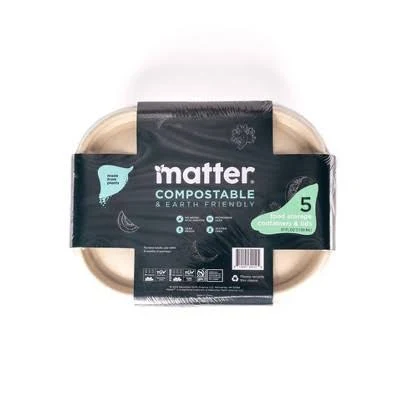
- Plant-based fiber pulp (compostable)
- A third party reports verifying it as PFAS-free
- Microbe/mold growth if stored damp
2 hazards checked on this product, all on its full breakdown.
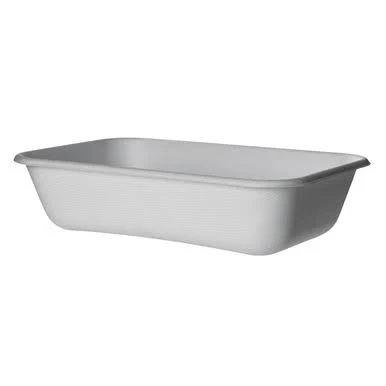
Eco-Products
Eco Products WorldView Compostable Take-Out Containers EP-SCRC32
- Plant-based fiber (compostable sugarcane bagasse)
- A third party reports verifying it as PFAS-free
- Bleaching agents and processing residues
3 hazards checked on this product, all on its full breakdown.
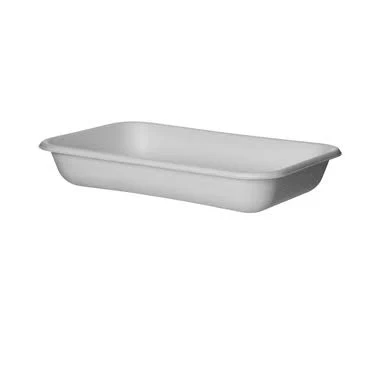
Eco-Products
WorldView Sugarcane Take-Out Containers
- Sugarcane bagasse (post-consumer fiber)
- A third party reports verifying it as PFAS-free
- Cellulose fiber degradation and food contact
2 hazards checked on this product, all on its full breakdown.
More food packaging grades
How we score, every product runs through the same public 0-100 rubric based on materials, coatings, brand disclosure, lab findings, and recalls. See the full methodology → Spotted a mistake? Report an error.