
3" x 6" One Mil Poly Bags for Food & Candy - 1
Lower concern. Material as recorded is not linked to PFAS.
These bags are made of polyethylene, a material not typically associated with PFAS. No water-repellent finish or special treatment is on record.
We flunk more products than we pass. This one earned its grade. How we grade
Material
polyethylene (PE), one mil thickness
Brand disclosure
Brand is silent on PFAS
Lab data
No public lab test
You may also be interested in
Top-graded picks in the categories readers replace first, every one scored on the same rubric.

- polypropylene filter housing, carbon/sediment cartridge
- We found no PFAS statement from the brand
- Bacterial growth in spent cartridges
3 hazards checked on this product, all on its full breakdown.

Aquasure
Premier Series 75 GPD Under Sink Reverse Osmosis Water Filtration System
- RO membrane, carbon filters, stainless steel housing
- We found no PFAS statement from the brand
- Bacterial and microbial growth in housing and filters
4 hazards checked on this product, all on its full breakdown.

Avocado
Vegan Mattress
- organic cotton, natural latex, coconut coir, recycled steel coils
- The brand calls it PFAS-free, which we have not verified
- Heavy metals
2 hazards checked on this product, all on its full breakdown.
What 3" x 6" One Mil Poly Bags for Food Candy is made of, ingredients and materials
This product is polyethylene (PE), a thermoplastic polymer not a material linked to PFAS for food-contact use. One mil thickness (0.001 inch) is thin gauge, meaning the bag is flexible and suitable for candy, dry goods, and non-oily products. PE does not contain BPA, phthalates, or other intentional additives at manufacture, making it chemically stable at room temperature and below. The thinness also means minimal material to leach even if misused.
What’s concerning
Category baseline
The starting point for this type of product, before anything specific to this product is counted.
No PFAS disclosure
No public statement from the brand about PFAS in this product.
Microplastics
Thin gauge PE (one mil) may fragment if repeatedly creased, compressed, or exposed to sunlight over extended storage. Fragments are unlikely to contaminate food in normal use but are theoretically possible if bags degrade. Risk is low for short-term dry goods storage.
Source, EPA ↗Leaching of processing residues or slip agents
PE bags may contain trace amounts of slip agents (e.g., erucamide) added during extrusion to reduce tackiness. These are FDA-approved and present at very low levels; leaching into dry foods is minimal but has not been formally quantified for this specific brand or thickness.
Degradation and brittleness over time
PE becomes brittle and prone to cracking with prolonged sun exposure or temperature cycling. Brittle bags may crack and allow contamination or pest entry. One mil bags are more susceptible than thicker gauges due to lower material volume.
What’s reassuring
Base material not linked to PFAS
The main material recorded for this product is not one associated with PFAS.
BPA & bisphenols
PE is not formulated with bisphenols. No BPA or BPS is intentionally added to standard PE food bags during manufacturing.
Source, FDA ↗Phthalates
PE does not require phthalate plasticizers; the polymer chain itself confers flexibility. Standard PE food bags do not contain DEHP, DBP, or other regulated phthalates.
Source, ATSDR ↗How is this PFAS grade calculated?
The brand's record and disclosure
POLYBAG is a commodity bag manufacturer with no public disclosure history, certifications, or documented safety controversies on record. The brand does not appear in FDA warning letters or major recalls related to food-contact packaging. No independent testing or third-party certifications (NSF, FDA compliance statements) are publicly available for this specific SKU. Absence of transparency is typical for low-cost food packaging suppliers but does not indicate a safety problem.
How it compares in its category
PE food bags are widely used for candy, baked goods, and produce with lower concern regarding certain food storage risks. They are chemically similar to commercial sandwich bags and frozen food bags. One mil PE is thinner and more economical than oriented polypropylene (OPP) or PET alternatives, which reduces cost but also reduces barrier properties for long-term storage. This product occupies the budget-commodity segment with no performance or safety advantage over major brand competitors, but no disadvantage either.
If you buy it
Use only for cold storage, dry goods, candy, and non-greasy foods; do not microwave or heat. Do not store acidic, fatty, or oily foods long-term, as PE can leach or absorb flavors over weeks. Check bags for tears or punctures before use and discard any with visible damage. Replace bags if they become cloudy, sticky, or develop odor, which may indicate environmental stress or contamination. One mil thickness is fragile; handle gently and do not overstuff.
What is not known about PFAS in this product?
- Basis
- Model estimate, 72% confidence, not a lab result
- Lab test
- None on record for this exact product
- Brand statement
- POLYBAG has made none
Formulations change between production runs, so check the current label. How we grade.
What are the PFAS-free alternatives to 3" x 6" One Mil Poly Bags for Food & Candy - 1?
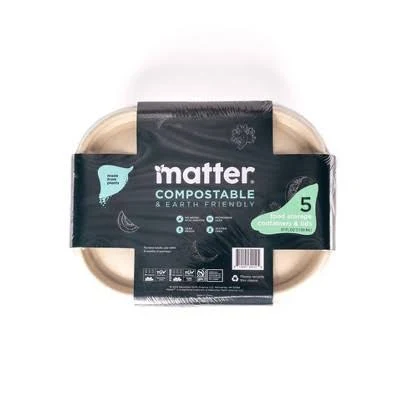
- Plant-based fiber pulp (compostable)
- A third party reports verifying it as PFAS-free
- Microbe/mold growth if stored damp
2 hazards checked on this product, all on its full breakdown.
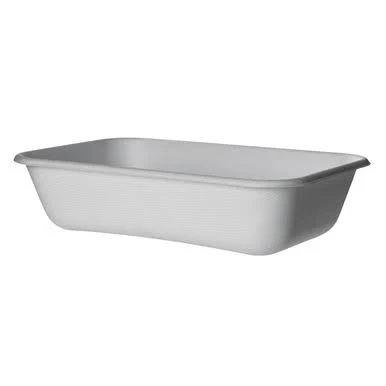
Eco-Products
Eco Products WorldView Compostable Take-Out Containers EP-SCRC32
- Plant-based fiber (compostable sugarcane bagasse)
- A third party reports verifying it as PFAS-free
- Bleaching agents and processing residues
3 hazards checked on this product, all on its full breakdown.
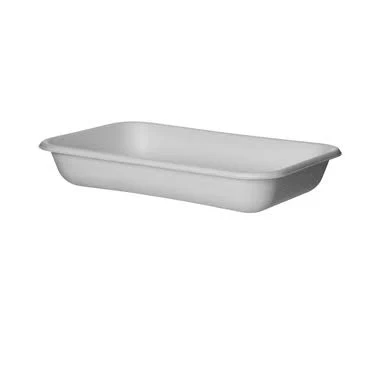
Eco-Products
WorldView Sugarcane Take-Out Containers
- Sugarcane bagasse (post-consumer fiber)
- A third party reports verifying it as PFAS-free
- Cellulose fiber degradation and food contact
2 hazards checked on this product, all on its full breakdown.
More food packaging grades
How we score, every product runs through the same public 0-100 rubric based on materials, coatings, brand disclosure, lab findings, and recalls. See the full methodology → Spotted a mistake? Report an error.