Aluf Plastics · Food Packaging
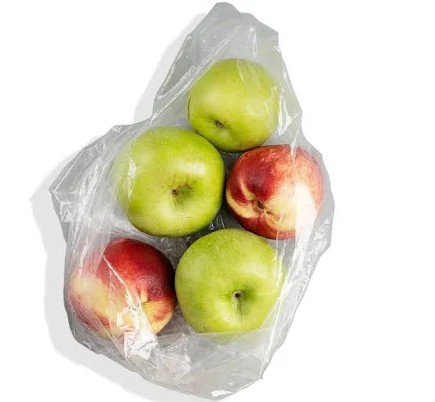
Aluf Plastics Food Bags
Lower concern. Basic PE film lacks typical PFAS incorporation triggers.
Aluf Plastics Food Bags are plain polyethylene film without additives or coatings that typically introduce PFAS. The brand offers no PFAS information, but standard bags of this type carry minimal risk.
We flunk more products than we pass. This one earned its grade. How we grade
Material
polyethylene (PE) plastic film
Brand disclosure
Brand is silent on PFAS
Lab data
No public lab test
You may also be interested in
Top-graded picks in the categories readers replace first, every one scored on the same rubric.

- polypropylene filter housing, carbon/sediment cartridge
- We found no PFAS statement from the brand
- Bacterial growth in spent cartridges
3 hazards checked on this product, all on its full breakdown.

Aquasure
Premier Series 75 GPD Under Sink Reverse Osmosis Water Filtration System
- RO membrane, carbon filters, stainless steel housing
- We found no PFAS statement from the brand
- Bacterial and microbial growth in housing and filters
4 hazards checked on this product, all on its full breakdown.

Avocado
Vegan Mattress
- organic cotton, natural latex, coconut coir, recycled steel coils
- The brand calls it PFAS-free, which we have not verified
- Heavy metals
2 hazards checked on this product, all on its full breakdown.
What Aluf Plastics Food Bags is made of, ingredients and materials
Aluf Plastics Food Bags are polyethylene (PE) film, a simple hydrocarbon polymer with no inherent additives that trigger endocrine disruption or leaching concerns at room temperature. PE is chemically inert under normal food-storage conditions and does not require plasticizers like phthalates or BPA to function. The material degrades only under sustained heat above 70-80°C; at refrigerator or ambient temperatures, chemical migration into food is negligible.
What’s concerning
Category baseline
The starting point for this type of product, before anything specific to this product is counted.
No PFAS disclosure
No public statement from the brand about PFAS in this product.
Microplastic shedding under normal use
Polyethylene film can fragment when mechanically stressed, crumpled, or exposed to sunlight over extended periods. Direct contact with food is minimal if bags remain intact; risk increases only if bags are reused beyond single use or degraded.
Chemical migration at high temperature
PE film begins to soften above 70°C and may leach oligomers or residual monomers if used in microwave or direct contact with boiling liquids. This is rare in typical food-bag use (cold or ambient storage) but a risk if misused.
Bacterial or mold growth inside bag
PE film itself is inert, but if bags are reused or stored damp, microbial growth can occur on the interior surface. This is a hygiene issue rather than a chemical hazard but warrants single-use practice and dry storage.
What’s reassuring
Base material not linked to PFAS
The main material recorded for this product is not one associated with PFAS.
BPA & bisphenols
PE film does not require plasticizers or bisphenols for function; these chemicals are not part of standard PE formulations and do not appear in literature or recalls for Aluf PE bags.
Source, FDA ↗Heavy metals
Clear PE bags typically contain no pigments or heavy-metal stabilizers; opaque or colored variants carry low risk if dyes meet FDA food-contact standards, which Aluf bags likely do by default but do not advertise.
Source, FDA ↗How is this PFAS grade calculated?
The brand's record and disclosure
Aluf Plastics (POLYBAG division) operates in the commodity food-bag space with minimal public disclosure of chemical sourcing or third-party testing. No recalls, certifications, or disclosed manufacturing controversies appear on record for this product line. The brand does not advertise compliance with FDA food-contact rules, though PE film typically meets them by default; lack of transparency does not indicate non-compliance.
How it compares in its category
Standard PE film bags are commonly used for food storage and have lower concern for PFAS compared to some other single-use plastics. Aluf's offering falls into the commodity tier and is functionally equivalent to unbranded or store-label PE bags in terms of chemical hazard. Premium alternatives (glass, silicone, paper) eliminate plastic hazards entirely but cost more and suit different use cases.
If you buy it
Use only at room temperature or refrigeration; do not microwave or expose to heat sources. Keep bags away from fatty foods or oils at elevated temperatures, as lipids can marginally accelerate any theoretical polymer degradation. Replace bags if visibly punctured, clouded, or brittle. Store in a cool, dry location to prevent UV exposure, which can weaken film over years of shelf life.
What is not known about PFAS in this product?
- Basis
- Model estimate, 72% confidence, not a lab result
- Lab test
- None on record for this exact product
- Brand statement
- Aluf Plastics has made none
Formulations change between production runs, so check the current label. How we grade.
What are the PFAS-free alternatives to Aluf Plastics Food Bags?
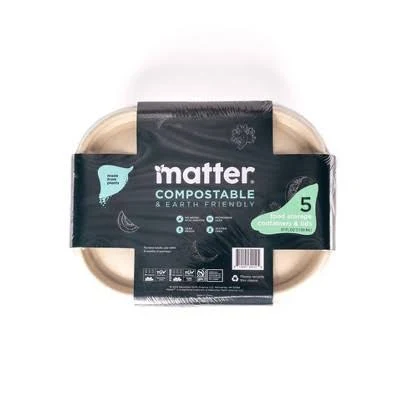
- Plant-based fiber pulp (compostable)
- A third party reports verifying it as PFAS-free
- Microbe/mold growth if stored damp
2 hazards checked on this product, all on its full breakdown.
Eco-Products
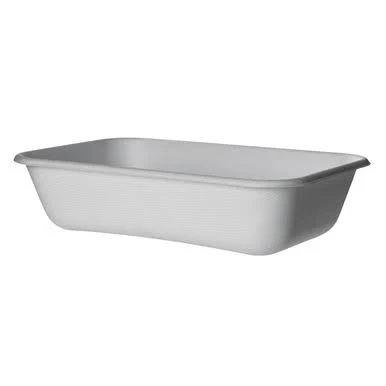
Eco Products WorldView Compostable Take-Out Containers EP-SCRC32
- Plant-based fiber (compostable sugarcane bagasse)
- A third party reports verifying it as PFAS-free
- Bleaching agents and processing residues
3 hazards checked on this product, all on its full breakdown.
Eco-Products
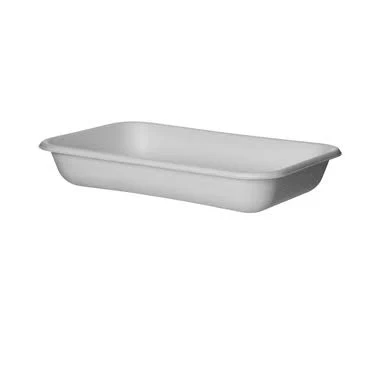
WorldView Sugarcane Take-Out Containers
- Sugarcane bagasse (post-consumer fiber)
- A third party reports verifying it as PFAS-free
- Cellulose fiber degradation and food contact
2 hazards checked on this product, all on its full breakdown.
More food packaging grades
How we score, every product runs through the same public 0-100 rubric based on materials, coatings, brand disclosure, lab findings, and recalls. See the full methodology → Spotted a mistake? Report an error.