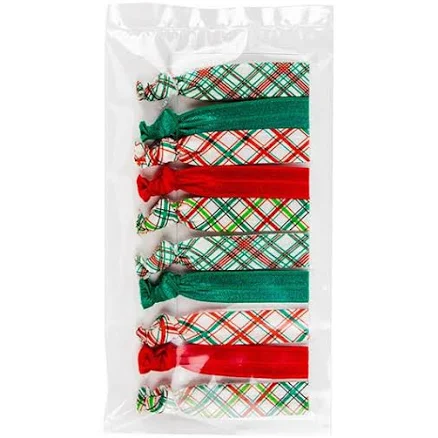
ClearBags Polypropylene Flat Bags
Lower concern. Polypropylene does not require PFAS treatment.
ClearBags flat bags are bare polypropylene without special coatings that would require PFAS. The brand does not comment on PFAS, but the material itself does not need these chemicals.
We flunk more products than we pass. This one earned its grade. How we grade
Material
polypropylene (PP), no documented coating
Brand disclosure
Brand is silent on PFAS
Lab data
No public lab test
You may also be interested in
Top-graded picks in the categories readers replace first, every one scored on the same rubric.

- polypropylene filter housing, carbon/sediment cartridge
- We found no PFAS statement from the brand
- Bacterial growth in spent cartridges
3 hazards checked on this product, all on its full breakdown.

Aquasure
Premier Series 75 GPD Under Sink Reverse Osmosis Water Filtration System
- RO membrane, carbon filters, stainless steel housing
- We found no PFAS statement from the brand
- Bacterial and microbial growth in housing and filters
4 hazards checked on this product, all on its full breakdown.

Avocado
Vegan Mattress
- organic cotton, natural latex, coconut coir, recycled steel coils
- The brand calls it PFAS-free, which we have not verified
- Heavy metals
2 hazards checked on this product, all on its full breakdown.
What ClearBags Polypropylene Flat Bags is made of, ingredients and materials
ClearBags Polypropylene Flat Bags are made from polypropylene (PP), a thermoplastic polymer with no reactive functional groups that would require PFAS coatings for water or grease resistance. Polypropylene is inherently non-polar and resists moisture uptake without added treatments. Unlike polyvinyl chloride (PVC) or polycarbonate (PC), PP does not contain bisphenol-A (BPA) or other endocrine-disrupting monomers in its base resin formulation. The material's inert chemistry means there is no established mechanism for leaching regulated food-contact contaminants into stored foods at room temperature.
What’s concerning
Category baseline
The starting point for this type of product, before anything specific to this product is counted.
No PFAS disclosure
No public statement from the brand about PFAS in this product.
Microplastic release when heated
Heating polypropylene above its glass transition temperature (circa 0°C) and melting range (160-170°C) can cause thermal degradation and release of oligomeric fragments. Use within recommended temperature limits minimizes this risk.
Oligomeric leaching at high temperature or with fatty/acidic foods
Low-molecular-weight polypropylene oligomers can migrate into food simulants under stress conditions (prolonged storage with fatty or acidic contents, elevated temperature). Risk is substantially lower than with PVC or uncoated polycarbonate, but not zero.
What’s reassuring
Base material not linked to PFAS
The main material recorded for this product is not one associated with PFAS.
BPA & bisphenols
Polypropylene does not use bisphenol-A or bisphenol-S in its base polymer synthesis. These contaminants are associated with PC and some epoxy can linings, not PP.
Source, FDA ↗Phthalates
Polypropylene is a rigid thermoplastic that does not require phthalate plasticizers for flexibility. Phthalates are characteristic of PVC and some polyurethane formulations, not commodity PP.
Source, ATSDR ↗Heavy metals
ClearBags product is marketed as clear/transparent; no pigments or colorants are typically incorporated. If variant products use opaque or tinted PP, verify that colorants comply with FDA CFR 178.3297 (synthetic organic colorants approved for food contact).
Source, FDA ↗How is this PFAS grade calculated?
The brand's record and disclosure
POLYBAG's disclosure stance on PFAS and food-contact compliance is not publicly documented in major databases or third-party certifications reviewed. No FDA warning letters, recalls, or published safety controversies are on record for this product line. The company does not advertise third-party food-contact certifications (such as FDA CFR 177.1520 compliance statements or EU plastics regulations approval) on accessible product pages, which limits independent verification of manufacturing and material purity claims. Absence of disclosure is not evidence of non-compliance, but it reflects a passive transparency posture.
How it compares in its category
Polypropylene bags are a standard, low-risk choice for dry and ambient-temperature food storage compared to alternatives. PVC cling films carry higher phthalate leaching risk under heat or with fatty foods. Paper or compostable film bags lack the moisture barrier, making them less suitable for long-term storage. Polyethylene terephthalate (PET) trays and containers carry potential antimony residue concerns from catalysts, though risk is similarly low. Polypropylene's chemical stability and lack of known problematic additives position it in the lower-hazard tier of commodity food packaging materials.
If you buy it
Use these bags for dry foods, baked goods, pantry items, and room-temperature prepared foods. Do not use them as boiling bags or in temperatures above 120°C (248°F), as polypropylene softens and may degrade or release oligomers at higher heat. Do not use for fatty, oily, or acidic foods stored for extended periods, as even PP can leach small amounts of oligomeric residues under these conditions. Replace bags if they become cloudy, cracked, or show visible wear; cloudiness may indicate polymer degradation and should prompt disposal of stored contents.
What is not known about PFAS in this product?
- Basis
- Model estimate, 72% confidence, not a lab result
- Lab test
- None on record for this exact product
- Brand statement
- ClearBags has made none
Formulations change between production runs, so check the current label. How we grade.
What are the PFAS-free alternatives to ClearBags Polypropylene Flat Bags?
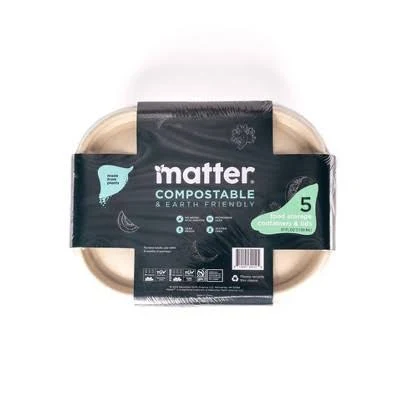
- Plant-based fiber pulp (compostable)
- A third party reports verifying it as PFAS-free
- Microbe/mold growth if stored damp
2 hazards checked on this product, all on its full breakdown.
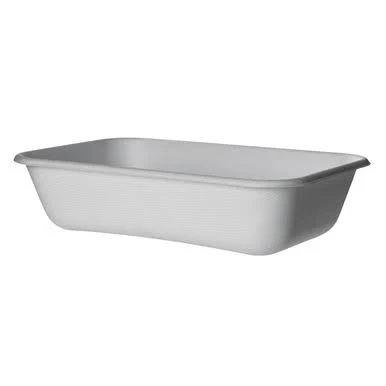
Eco-Products
Eco Products WorldView Compostable Take-Out Containers EP-SCRC32
- Plant-based fiber (compostable sugarcane bagasse)
- A third party reports verifying it as PFAS-free
- Bleaching agents and processing residues
3 hazards checked on this product, all on its full breakdown.
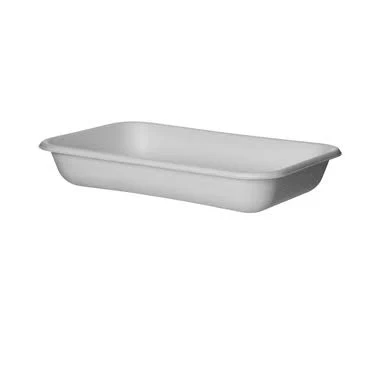
Eco-Products
WorldView Sugarcane Take-Out Containers
- Sugarcane bagasse (post-consumer fiber)
- A third party reports verifying it as PFAS-free
- Cellulose fiber degradation and food contact
2 hazards checked on this product, all on its full breakdown.
More food packaging grades
How we score, every product runs through the same public 0-100 rubric based on materials, coatings, brand disclosure, lab findings, and recalls. See the full methodology → Spotted a mistake? Report an error.