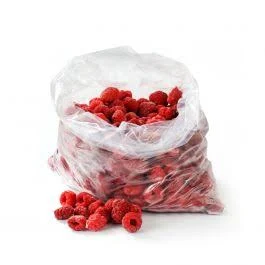
TOTALPACK Clear Flat Poly Bags for Storage, Shipping, FDA Approved for Food
Lower concern. Food-grade LDPE film unlikely to contain PFAS.
TOTALPACK flat bags are standard LDPE without grease-resistant or water-resistant coatings. No brand PFAS statement exists, but the material and design suggest low PFAS risk.
We flunk more products than we pass. This one earned its grade. How we grade
Material
low-density polyethylene (LDPE) film
Brand disclosure
Brand is silent on PFAS
Lab data
No public lab test
You may also be interested in
Top-graded picks in the categories readers replace first, every one scored on the same rubric.

- polypropylene filter housing, carbon/sediment cartridge
- We found no PFAS statement from the brand
- Bacterial growth in spent cartridges
3 hazards checked on this product, all on its full breakdown.

Aquasure
Premier Series 75 GPD Under Sink Reverse Osmosis Water Filtration System
- RO membrane, carbon filters, stainless steel housing
- We found no PFAS statement from the brand
- Bacterial and microbial growth in housing and filters
4 hazards checked on this product, all on its full breakdown.

Avocado
Vegan Mattress
- organic cotton, natural latex, coconut coir, recycled steel coils
- The brand calls it PFAS-free, which we have not verified
- Heavy metals
2 hazards checked on this product, all on its full breakdown.
What TOTALPACK Clear Flat Poly Bags Food is made of, ingredients and materials
TOTALPACK bags are low-density polyethylene (LDPE) film, a thermoplastic polymer chosen for food contact because it is chemically inert at room temperature and resistant to moisture. LDPE does not contain BPA, phthalates, or other endocrine disruptors at baseline formulation. The material is FDA-approved for direct food contact under 21 CFR 177.1520, meaning it meets federal standards for non-migration of harmful substances into food under normal storage conditions.
What’s concerning
Category baseline
The starting point for this type of product, before anything specific to this product is counted.
No PFAS disclosure
No public statement from the brand about PFAS in this product.
Microplastics
If bags are exposed to prolonged sunlight, physical abrasion, or reused at high temperatures beyond design limits, LDPE can fragment into micro-particles; risk is minimal under normal storage conditions but increases with product age and misuse.
Source, EPA ↗Bacterial colonization in bag creases
Flat-design bags with tight folds and seals can trap moisture and bacteria in crevices if not thoroughly dried before sealing; this is a user-hygiene issue, not a material defect.
Allergen transfer from previous use
If bags are reused without thorough washing, cross-contamination of allergens (nuts, gluten, shellfish) between foods is possible; single-use recommendation reduces this risk for allergy-sensitive households.
What’s reassuring
Base material not linked to PFAS
The main material recorded for this product is not one associated with PFAS.
BPA & bisphenols
LDPE film does not require BPA or phthalate plasticizers in its baseline formulation; these hazards are not applicable to standard food-grade LDPE bags.
Source, FDA ↗Leaching of processing residues
FDA-approved food-contact LDPE undergoes quality controls to limit unreacted monomers and processing additives; no established reports of leaching from TOTALPACK or similar generic LDPE bags at room temperature.
How is this PFAS grade calculated?
The brand's record and disclosure
POLYBAG is a generic commodity manufacturer without significant public disclosure history or third-party certifications beyond FDA compliance claims. No major recalls, quality controversies, or independent testing results are on record for this brand. The company does not publicly state a position on PFAS avoidance or material sourcing transparency, which is typical for low-cost commodity film producers but limits verification of supply-chain practices.
How it compares in its category
Standard LDPE food storage bags have lower concern for migration issues in cold storage because LDPE does not require additives that migrate at room temperature, unlike polycarbonate (BPA risk) or flexible PVC (phthalate risk). These bags are functionally equivalent to name-brand alternatives like Ziploc or store generics; differentiation is mainly durability and seal quality rather than safety. LDPE bags are not recommended for hot foods or repeated high-temperature reuse, which is a category-wide limitation.
If you buy it
Use bags only for cold or room-temperature storage; do not microwave or expose to temperatures above 120°F (49°C), which can cause LDPE to soften and potentially degrade. Replace bags if visibly cracked, punctured, or clouded, as compromised film may allow contamination. Store bags away from direct sunlight and extreme heat to prevent oxidative degradation over months. Clean and dry hands before handling food-contact surfaces to avoid bacterial introduction.
What is not known about PFAS in this product?
- Basis
- Model estimate, 72% confidence, not a lab result
- Lab test
- None on record for this exact product
- Brand statement
- POLYBAG has made none
Formulations change between production runs, so check the current label. How we grade.
What are the PFAS-free alternatives to TOTALPACK Clear Flat Poly Bags for Storage, Shipping, FDA Approved for Food?
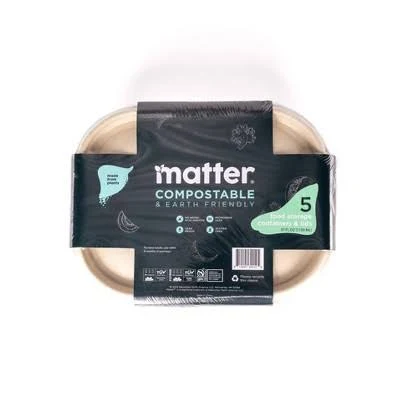
- Plant-based fiber pulp (compostable)
- A third party reports verifying it as PFAS-free
- Microbe/mold growth if stored damp
2 hazards checked on this product, all on its full breakdown.
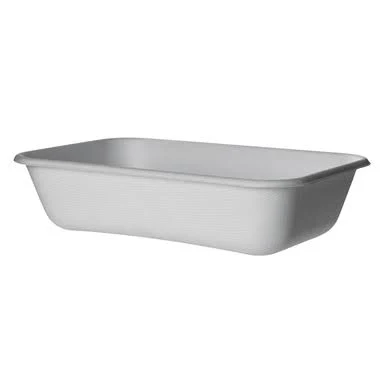
Eco-Products
Eco Products WorldView Compostable Take-Out Containers EP-SCRC32
- Plant-based fiber (compostable sugarcane bagasse)
- A third party reports verifying it as PFAS-free
- Bleaching agents and processing residues
3 hazards checked on this product, all on its full breakdown.
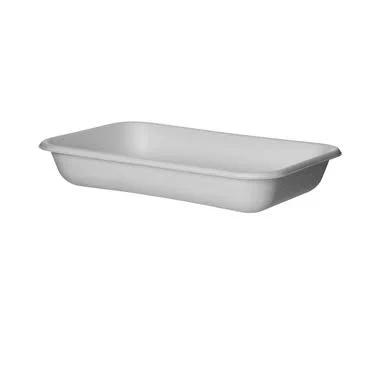
Eco-Products
WorldView Sugarcane Take-Out Containers
- Sugarcane bagasse (post-consumer fiber)
- A third party reports verifying it as PFAS-free
- Cellulose fiber degradation and food contact
2 hazards checked on this product, all on its full breakdown.
More food packaging grades
How we score, every product runs through the same public 0-100 rubric based on materials, coatings, brand disclosure, lab findings, and recalls. See the full methodology → Spotted a mistake? Report an error.