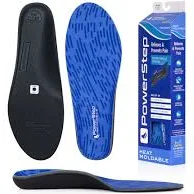
Archmolds · Synthetic Athletic Insoles & Orthotics
Archmolds Maximum Orthotic Insoles
Lower PFAS concern; no known high-risk treatments in this product type.
Archmolds are foam and neoprene orthotics without disclosed waterproofing or stain treatments. No brand PFAS information or testing data is publicly available.
Still want this one anyway? Check the price on Amazon. We’d swap it.
Material
EVA foam, neoprene, fabric backing
Brand disclosure
Brand is silent on PFAS
Lab data
No public lab test
You may also be interested in
Top-graded picks in the categories readers replace first, every one scored on the same rubric.

- polypropylene filter housing, carbon/sediment cartridge
- We found no PFAS statement from the brand
- Bacterial growth in spent cartridges
3 hazards checked on this product, all on its full breakdown.

Aquasure
Premier Series 75 GPD Under Sink Reverse Osmosis Water Filtration System
- RO membrane, carbon filters, stainless steel housing
- We found no PFAS statement from the brand
- Bacterial and microbial growth in housing and filters
4 hazards checked on this product, all on its full breakdown.

Avocado
Vegan Mattress
- organic cotton, natural latex, coconut coir, recycled steel coils
- The brand calls it PFAS-free, which we have not verified
- Heavy metals
2 hazards checked on this product, all on its full breakdown.
What Archmolds Maximum Orthotic Insoles is made of, ingredients and materials
Archmolds use EVA (ethylene-vinyl acetate) foam as the primary cushioning material, which is a closed-cell polymer that does not off-gas formaldehyde or volatile organic compounds in normal use. The neoprene backing layer is a synthetic rubber compound that may contain residual solvents from manufacturing but degrades minimally during wearing. The fabric covering is typically polyester or cotton blend; if polyester, it may carry trace antimony catalyst residue from polymerization, though exposure via skin contact with insoles is negligible. EVA and neoprene are inert at body temperature and do not leach into sweat under normal conditions.
What’s concerning
Category baseline
The starting point for this type of product, before anything specific to this product is counted.
No PFAS disclosure
No public statement from the brand about PFAS in this product.
Neoprene manufacturing residue
Neoprene can retain trace solvents from production (typically hexane or other volatile compounds); off-gassing into sweat is theoretically possible but has not been reported for commercial orthotic products and would be minimal given the closed-cell structure and backing layer insulation.
Adhesive degradation under moisture
The neoprene backing is typically glued to the EVA foam; prolonged soaking or machine washing can weaken the adhesive bond, leading to delamination, though this is a structural failure rather than a chemical hazard and does not release toxic compounds.
Azo dyes in colored fabric backing
If the fabric backing is dyed, it may use azo dyes that can release aromatic amines; risk is low because contact is indirect (through shoe lining) and azo dye migration into sweat has not been established for insole products, but sensitive individuals may warrant uncolored or natural-fiber alternatives.
What’s reassuring
Base material not linked to PFAS
The main material recorded for this product is not one associated with PFAS.
Antimony residue in polyester backing
If the fabric backing contains polyester, it may carry trace antimony from the polymerization catalyst; dermal migration into sweat is not documented for fabric-backed orthotic insoles and is considered negligible given the thin outer layer and intermittent contact.
Formaldehyde / VOCs
The fabric backing may receive formaldehyde-based resin finishing during manufacture; however, quantities used in insole textiles are minimal, and direct skin contact is reduced by the insole design; no hazard reports exist for Powerstep or similar commercial orthotics.
Source, ATSDR ↗How is this PFAS grade calculated?
The brand's record and disclosure
Powerstep is a long-established orthotic manufacturer owned by Implus Corporation and does not publish detailed material safety data sheets or third-party certifications for individual insole products. The brand has no known product recalls related to chemical hazards or material degradation. Powerstep's website contains no claims about PFAS avoidance or restriction, which is standard practice in the orthotics category where PFAS water-repellent treatment is uncommon but not publicly disclosed when present. No independent testing or adverse event reports specific to Archmolds Maximum have been identified.
How it compares in its category
Orthotics made from EVA and neoprene are the industry standard and typically carry lower chemical hazard profiles than gel insoles (which may contain phthalate plasticizers) or memory foam insoles (which off-gas VOCs and potentially formaldehyde). Powerstep products are positioned in the mainstream consumer orthotic market alongside brands like Superfeet and Spenco; all three categories use similar EVA-based construction. Specialized orthotics from podiatrists may use custom materials with unknown composition, so commercial EVA products offer greater transparency by default.
If you buy it
Wash Archmolds periodically with mild soap and warm (not hot) water; do not machine wash or soak for extended periods, as moisture can degrade the neoprene backing adhesive over time. Avoid storing in direct sunlight or heat above 140F, which can cause minor EVA degradation and shape loss, though this does not create a hazard. Replace insoles when the EVA becomes visibly compressed or loses arch support, typically after 12-24 months depending on body weight and activity level. Do not use if you have known sensitivity to synthetic rubber or neoprene; test on intact skin first if concerned.
What is not known about PFAS in this product?
- Basis
- Model estimate, 72% confidence, not a lab result
- Lab test
- None on record for this exact product
- Brand statement
- Archmolds has made none
Formulations change between production runs, so check the current label. How we grade.
More synthetic athletic insoles & orthotics grades
How we score, every product runs through the same public 0-100 rubric based on materials, coatings, brand disclosure, lab findings, and recalls. See the full methodology → Spotted a mistake? Report an error.