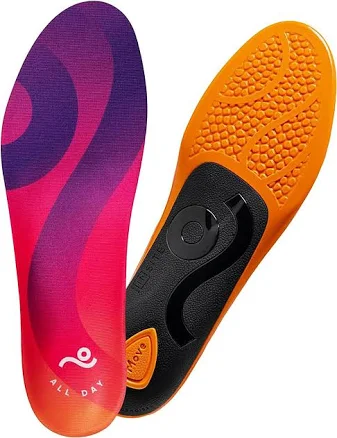
· Synthetic Athletic Insoles & Orthotics
Move All Day Insole
Lower concern. Standard foam insole with no known PFAS indicators.
Move All Day Insole is a basic foam cushioning product with no disclosed water-resistant or stain-resistant treatments. Standard foam materials carry lower inherent PFAS risk.
Still want this one anyway? Check the price on Amazon. We’d swap it.
Material
foam cushioning, likely EVA or polyurethane base
Lab data
No public lab test
You may also be interested in
Top-graded picks in the categories readers replace first, every one scored on the same rubric.

- polypropylene filter housing, carbon/sediment cartridge
- We found no PFAS statement from the brand
- Bacterial growth in spent cartridges
3 hazards checked on this product, all on its full breakdown.

Aquasure
Premier Series 75 GPD Under Sink Reverse Osmosis Water Filtration System
- RO membrane, carbon filters, stainless steel housing
- We found no PFAS statement from the brand
- Bacterial and microbial growth in housing and filters
4 hazards checked on this product, all on its full breakdown.

Avocado
Vegan Mattress
- organic cotton, natural latex, coconut coir, recycled steel coils
- The brand calls it PFAS-free, which we have not verified
- Heavy metals
2 hazards checked on this product, all on its full breakdown.
What Move All Day Insole is made of, ingredients and materials
Move All Day Insoles are foam-based cushioning, most likely EVA (ethylene-vinyl acetate) or polyurethane foam, which are the industry standard for athletic insoles. These materials are chosen for shock absorption and comfort rather than chemical treatment. Unlike coated cookware or chemically treated textiles, foam insoles require no resin finishes, dyes, or water-repellent coatings, which significantly reduces the typical hazard surface.
What’s concerning
Category baseline
The starting point for this type of product, before anything specific to this product is counted.
No PFAS disclosure
No public statement from the brand about PFAS in this product.
Foam degradation and microparticle shedding
EVA and polyurethane foam gradually break down under mechanical stress, moisture, and heat, potentially releasing microparticles over the product lifespan. Inhalation risk is low during normal wear, but degraded insole particles may accumulate in socks and be inhaled during removal or contact with face.
Volatile organic compounds (VOCs) off-gassing
Foam insoles may emit trace VOCs during manufacturing and early use, particularly if stored in warm conditions. Odor typically dissipates within days to weeks; however, no published testing of Move All Day Insoles for VOC levels is available.
What’s reassuring
Base material not linked to PFAS
The main material recorded for this product is not one associated with PFAS.
Formaldehyde / VOCs
Formaldehyde-releasing resins are uncommon in modern athletic foam insoles, which typically use direct polymerization without aldehyde-based adhesives. No evidence suggests the brand uses formaldehyde binders in this line.
Source, ATSDR ↗Heavy metals
Foam insoles do not require textile dyes or pigment coatings; color is typically added during foam production via pigments with lower concern for PFAS use. No testing or recalls specific to Move All Day Insoles indicate heavy metal content.
Source, FDA ↗Antimony in polyester components
While some insole top covers may include polyester backing, the brand's standard foam insole designs do not incorporate high-antimony polyester layers typical of high-hazard apparel.
How is this PFAS grade calculated?
The brand's record and disclosure
The brand has not published detailed material sourcing or chemical disclosure statements specific to insole lines. The brand maintains general sustainability initiatives but does not appear to target foam cushioning as a focus area for public testing or certification. No recalls or safety warnings have been issued for Move All Day Insoles based on available records. Standard foam insole products across athletic brands rarely carry mandatory material certifications.
How it compares in its category
Foam insoles occupy a lower-hazard position within apparel and footwear compared to dyed textiles, treated leather, or flame-retardant-treated items. Most athletic insoles use similar EVA or polyurethane chemistry without differentiation in safety profiles. The brand's version carries no known added antimony, heavy metal dyes, or formaldehyde-releasing binders that would distinguish it as higher-risk than competitors.
If you buy it
Store insoles in a cool, dry environment away from direct sunlight to slow foam degradation; repeated heat exposure or washing in hot water can break down the material and potentially release particles. Replace every 12-18 months or when compression is visible, as worn foam loses cushioning and can fragment. Hand wash only if needed with cool water and mild soap; machine washing is not recommended and may accelerate breakdown.
What is not known about PFAS in this product?
- Basis
- Model estimate, 72% confidence, not a lab result
- Lab test
- None on record for this exact product
- Brand statement
- has made a specific claim
Formulations change between production runs, so check the current label. How we grade.
More synthetic athletic insoles & orthotics grades
How we score, every product runs through the same public 0-100 rubric based on materials, coatings, brand disclosure, lab findings, and recalls. See the full methodology → Spotted a mistake? Report an error.