Puma · Running & Athletic Shoes
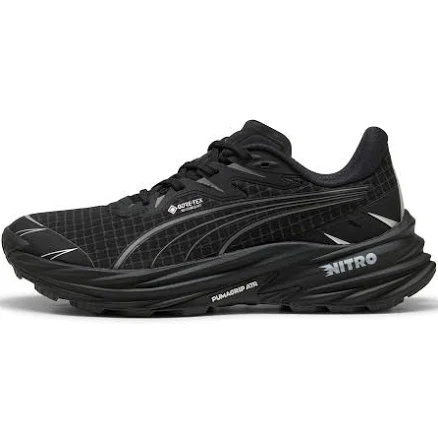
PUMA Fast-Trac Nitro 4 Gore-tex Men's Waterproof Trail Running Shoes
Gore-tex waterproofing likely contains PFAS; Puma makes no disclosure.
Gore-tex is a Teflon-family coating membrane historically treated with PFAS-based water-repellent coating. Puma provides no public statement on PFAS use or avoidance in this shoe.
Still want this one anyway? Check the price on Amazon. We’d swap it.
Material
Gore-tex membrane with textile upper, unspecified water-repellent coating treatment
Lab data
No public lab test
You may also be interested in
Top-graded picks in the categories readers replace first, every one scored on the same rubric.

- polypropylene filter housing, carbon/sediment cartridge
- We found no PFAS statement from the brand
- Bacterial growth in spent cartridges
3 hazards checked on this product, all on its full breakdown.

Aquasure
Premier Series 75 GPD Under Sink Reverse Osmosis Water Filtration System
- RO membrane, carbon filters, stainless steel housing
- We found no PFAS statement from the brand
- Bacterial and microbial growth in housing and filters
4 hazards checked on this product, all on its full breakdown.

Avocado
Vegan Mattress
- organic cotton, natural latex, coconut coir, recycled steel coils
- The brand calls it PFAS-free, which we have not verified
- Heavy metals
2 hazards checked on this product, all on its full breakdown.
What PUMA Fast-Trac Nitro 4 Running Shoes is made of, ingredients and materials
These shoes use Gore-tex membrane bonded to a textile upper, likely polyester or nylon blend. Gore-tex waterproofing requires fluorochemical treatment to repel water while remaining breathable; this treatment almost certainly involves PFAS compounds, which persist indefinitely in the environment and bioaccumulate. The unspecified water-repellent coating (water-repellent coating) coating on the outer textile may contain additional PFAS or non-fluorinated alternatives, but Puma does not disclose which.
What’s concerning
Waterproof / stain-resistant treatment
Water-repellent coating treatments have historically used PFAS.
Category baseline
The starting point for this type of product, before anything specific to this product is counted.
No PFAS disclosure
No public statement from the brand about PFAS in this product.
PFAS
Gore-tex waterproofing is documented to contain PFOA, PFOS, or other legacy/replacement PFAS. Puma's silence on water-repellent coating chemistry suggests unspecified fluorochemicals. PFAS leaches into soil and water during wear and care, and bioaccumulates in humans and wildlife.
Source, ATSDR ↗Azo dyes in synthetic textiles
Polyester and nylon uppers may be dyed with azo dyes; some restricted azo dyes (those that cleave to carcinogenic amines) are banned in EU but not uniformly enforced in all Puma footwear. No GOTS, OEKO-TEX, or equivalent certification is visible for this model.
Formaldehyde / VOCs
Synthetic textiles often receive formaldehyde-based finishes for shape retention and durability. Trail running shoes typically use low-emission formulations, but Puma does not disclose finishing chemistry for this model, and off-gassing risk is low after break-in.
Source, ATSDR ↗Antimony in polyester
If the upper is polyester (likely), antimony trioxide may be present as a catalyst residue from fiber production. Levels in finished textiles are typically low, but migration into sweat during heavy use has not been ruled out for this specific shoe.
Microplastic shedding from synthetic uppers and sole
All synthetic athletic shoes shed microplastics during wear and laundry. Trail running shoes experience higher abrasion, accelerating shedding from the upper and midsole. Washing by hand slows this; machine washing accelerates it significantly.
How is this PFAS grade calculated?
The brand's record and disclosure
Puma has not publicly committed to eliminating PFAS in footwear or published test results for this model. The brand has faced criticism from environmental groups for lagging behind competitors (Salomon, Danner, and others) in transparent PFAS phase-out timelines. Puma produces no visible sustainability certification or third-party testing data for the Fast-Trac Nitro 4 specifically.
How it compares in its category
Most waterproof trail running shoes at this price point use Gore-tex or similar fluorinated membranes; PFAS exposure is widespread in the category. Alternatives like Salomon QST and Danner Trail include explicit PFAS reduction or use of non-fluorinated membranes (e.g., eVent, Toray). Puma's silence on PFAS is a relative disadvantage among direct competitors offering greater transparency.
If you buy it
Wash only by hand with cool water and mild detergent to slow water-repellent coating and membrane degradation. Avoid heat exposure (dishwasher, dryers, direct sunlight) which can damage Gore-tex bonds and accelerate PFAS shedding into wastewater. Plan to resell or donate after 2-3 years of regular use; monitor the sole and gore-tex seams for peeling or separation, which signals end-of-life. Do not machine wash.
What is not known about PFAS in this product?
- Basis
- Model estimate, 45% confidence, not a lab result
- Lab test
- None on record for this exact product
- Brand statement
- Puma has made a specific claim
Formulations change between production runs, so check the current label. How we grade.
What are the PFAS-free alternatives to PUMA Fast-Trac Nitro 4 Gore-tex Men's Waterproof Trail Running Shoes?
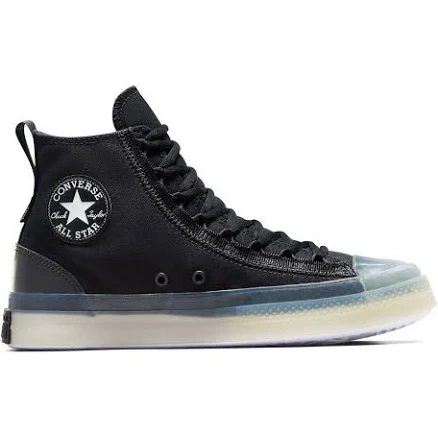
- Canvas upper, rubber sole
- We found no PFAS statement from the brand
- Azo dyes in canvas
2 hazards checked on this product, all on its full breakdown.
Find an alternative on Amazon
- Canvas, rubber sole
- We found no PFAS statement from the brand
- Azo dyes and synthetic dyes
4 hazards checked on this product, all on its full breakdown.
Find an alternative on Amazon
- Mesh upper, Fresh Foam midsole, rubber outsole
- We found no PFAS statement from the brand
- Azo dyes and color-based toxins
2 hazards checked on this product, all on its full breakdown.
Find an alternative on AmazonMore running & athletic shoes grades
How we score, every product runs through the same public 0-100 rubric based on materials, coatings, brand disclosure, lab findings, and recalls. See the full methodology → Spotted a mistake? Report an error.