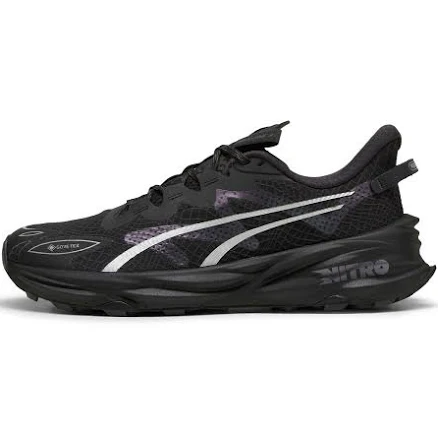
Puma · Running & Athletic Shoes
Puma Men's Fast-Trac NITRO 3 GTX
GTX waterproofing typical PFAS vector; Puma silent on chemistry.
Puma does not disclose PFAS treatment on this shoe. Gore-Tex (GTX) membranes commonly use fluorochemicals for water resistance, though Gore has reduced legacy PFAS. No third-party verification available.
Still want this one anyway? Check the price on Amazon. We’d swap it.
Material
Synthetic textile with GTX waterproof membrane
Lab data
No public lab test
You may also be interested in
Top-graded picks in the categories readers replace first, every one scored on the same rubric.

- polypropylene filter housing, carbon/sediment cartridge
- We found no PFAS statement from the brand
- Bacterial growth in spent cartridges
3 hazards checked on this product, all on its full breakdown.

Aquasure
Premier Series 75 GPD Under Sink Reverse Osmosis Water Filtration System
- RO membrane, carbon filters, stainless steel housing
- We found no PFAS statement from the brand
- Bacterial and microbial growth in housing and filters
4 hazards checked on this product, all on its full breakdown.

Avocado
Vegan Mattress
- organic cotton, natural latex, coconut coir, recycled steel coils
- The brand calls it PFAS-free, which we have not verified
- Heavy metals
2 hazards checked on this product, all on its full breakdown.
What Puma Men's Fast-Trac NITRO 3 GTX is made of, ingredients and materials
The Fast-Trac NITRO 3 GTX uses a synthetic textile upper (likely polyester or nylon blend) bonded to Gore-Tex waterproof membrane. Gore-Tex's hydrophobic properties historically rely on fluorocarbon chemistry to repel water while allowing breathability, making it a known PFAS application. The shoe also contains synthetic rubber outsole and EVA midsole, which are chemically inert under normal wear; the risk concentrates in the GTX layer and any water-repellent coating (water-repellent coating) treatments on the upper fabric itself.
What’s concerning
Waterproof / stain-resistant treatment
Water-repellent coating treatments have historically used PFAS.
Category baseline
The starting point for this type of product, before anything specific to this product is counted.
No PFAS disclosure
No public statement from the brand about PFAS in this product.
PFAS
Gore-Tex's hydrophobic layer and factory water-repellent coating finish on synthetics typically contain long-chain fluorochemicals (PFOA, PFOS, or alternates). No independent testing of this specific model is on record, but all GTX footwear carries this risk unless explicitly labeled PFOA-free or water-repellent coating-free.
Source, ATSDR ↗Azo dyes in synthetic fabric upper
Synthetic textile dyeing in footwear commonly uses azo dyes, some of which break down into carcinogenic aromatic amines. Puma does not disclose dye restrictions or testing; the dark colorway of this model increases likelihood of azo use. Risk is dermal contact during wear and hand-washing.
Formaldehyde / VOCs
Synthetic textiles often receive wrinkle-resistant or anti-microbial finishes using formaldehyde releasers. No formaldehyde restriction is documented for Puma footwear. Off-gassing is minimal in typical wear but may occur during initial wear or in warm, humid conditions.
Source, ATSDR ↗Adhesive and glue off-gassing
Synthetic uppers are glued to the midsole and GTX layer. Polyurethane or solvent-based adhesives may off-gas volatile organic compounds (VOCs) during the first weeks of wear. Airing out the shoe indoors or outdoors for 24-48 hours before first use reduces exposure.
What’s reassuring
Antimony in polyester fiber
Polyester uppers may contain trace antimony (catalyst residue from polymerization). Industry-wide antimony levels in polyester are low and dermal absorption from finished textiles is negligible; no recalls or health reports exist for footwear in this category.
How is this PFAS grade calculated?
The brand's record and disclosure
Puma has not published detailed chemical disclosure or restricted substance lists comparable to competitors like Adidas or Nike. The brand signed the 2011 Detox Campaign but has not committed to PFAS phase-out timelines or published progress reports. Puma does not advertise information about PFAS use in footwear lines or alternative waterproofing strategies, leaving buyers without clear guidance on chemistry or alternatives within their own catalog.
How it compares in its category
Most performance trail runners at this price point (approx 120 USD) pair synthetic uppers with either Gore-Tex, eVent, or proprietary membranes, all of which carry PFAS concerns. Some brands (Salomon, La Sportiva) now offer PFOS-free membranes or water-repellent coating-free options that trade some water resistance for lower chemical burden. The NITRO 3 GTX sits in the mainstream middle, durable waterproofing, but without the transparency or innovation of leading sustainability-focused competitors.
If you buy it
Wash the shoe by hand in cool water with mild detergent; avoid hot water or heat dryers, which can degrade the GTX bond. Reapply water-repellent coating annually if heavy use is planned, though this reintroduces fluorochemicals. Expect 300-500 miles of trail wear before midsole compression and outsole wear (not membrane failure) trigger replacement. Store in a cool, dry place away from direct heat; GTX can delaminate if exposed to sustained temperatures above 60 Celsius.
What is not known about PFAS in this product?
- Basis
- Model estimate, 42% confidence, not a lab result
- Lab test
- None on record for this exact product
- Brand statement
- Puma has made a specific claim
Formulations change between production runs, so check the current label. How we grade.
What are the PFAS-free alternatives to Puma Men's Fast-Trac NITRO 3 GTX?
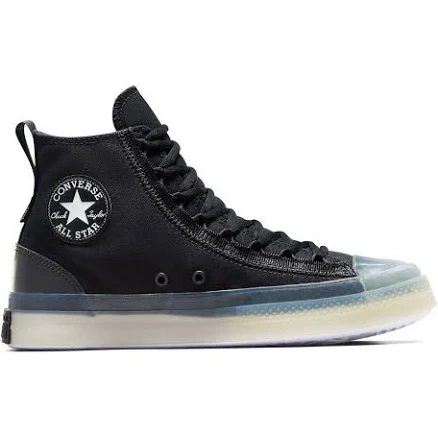
- Canvas upper, rubber sole
- We found no PFAS statement from the brand
- Azo dyes in canvas
2 hazards checked on this product, all on its full breakdown.
Find an alternative on Amazon
- Canvas, rubber sole
- We found no PFAS statement from the brand
- Azo dyes and synthetic dyes
4 hazards checked on this product, all on its full breakdown.
Find an alternative on Amazon
- Mesh upper, Fresh Foam midsole, rubber outsole
- We found no PFAS statement from the brand
- Azo dyes and color-based toxins
2 hazards checked on this product, all on its full breakdown.
Find an alternative on AmazonMore running & athletic shoes grades
How we score, every product runs through the same public 0-100 rubric based on materials, coatings, brand disclosure, lab findings, and recalls. See the full methodology → Spotted a mistake? Report an error.