Puma · Running & Athletic Shoes
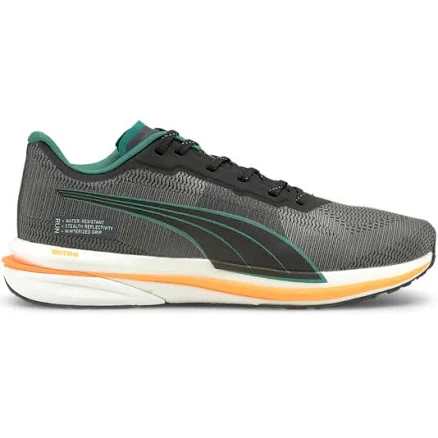
Puma Velocity Nitro WTR Men's Running Shoes
Running shoes with waterproof coating; PFAS risk unclear without disclosure.
Puma does not disclose PFAS use in these waterproof running shoes. water-repellent coating-coated textiles commonly contain PFAS; Puma provides no public commitment to PFAS-free materials.
Still want this one anyway? Check the price on Amazon. We’d swap it.
Material
Synthetic mesh/knit upper with water-repellent coating-treated waterproof coating
Lab data
No public lab test
You may also be interested in
Top-graded picks in the categories readers replace first, every one scored on the same rubric.

- polypropylene filter housing, carbon/sediment cartridge
- We found no PFAS statement from the brand
- Bacterial growth in spent cartridges
3 hazards checked on this product, all on its full breakdown.

Aquasure
Premier Series 75 GPD Under Sink Reverse Osmosis Water Filtration System
- RO membrane, carbon filters, stainless steel housing
- We found no PFAS statement from the brand
- Bacterial and microbial growth in housing and filters
4 hazards checked on this product, all on its full breakdown.

Avocado
Vegan Mattress
- organic cotton, natural latex, coconut coir, recycled steel coils
- The brand calls it PFAS-free, which we have not verified
- Heavy metals
2 hazards checked on this product, all on its full breakdown.
What Puma Velocity Nitro WTR Running Shoes is made of, ingredients and materials
The Velocity Nitro WTR uses a synthetic mesh and knit upper paired with a water-repellent coating (water-repellent coating) waterproof coating. water-repellent coating finishes typically rely on fluorinated compounds (PFAS family) to shed water without blocking breathability, though Puma has not publicly disclosed which specific chemistry they use in this model. Synthetic uppers avoid leather-tanning hazards but introduce durability and degradation questions over extended wear.
What’s concerning
Waterproof / stain-resistant treatment
Water-repellent coating treatments have historically used PFAS.
Category baseline
The starting point for this type of product, before anything specific to this product is counted.
No PFAS disclosure
No public statement from the brand about PFAS in this product.
water-repellent coating degradation and potential leachates
Fluorinated water-repellent coating coatings degrade over time with repeated washing and UV exposure. As the coating breaks down, microparticles or residual chemistry may enter sweat contact; Puma has not disclosed the specific polymer backbone or degradation profile for this shoe's treatment.
Antimony in polyester and synthetic blends
The synthetic knit upper may contain polyester with antimony as a catalyst. At typical background levels in footwear, dermal or inhalation exposure is minimal, but sweat contact and prolonged foot warmth could theoretically increase migration in the microenvironment between foot and shoe.
Microplastic shedding from synthetic mesh wear
Synthetic mesh uppers can shed microfibers with abrasion and UV degradation. While the immediate wearer's exposure is low, washing this shoe contributes microplastic runoff to water systems. This is an environmental rather than direct health hazard but reflects material persistence.
What’s reassuring
Formaldehyde / VOCs
No reported formaldehyde violations in Puma footwear, and modern synthetic mesh production typically uses low-formaldehyde or formaldehyde-free wet-processing. Standard industry compliance makes this a low probability hazard for this product.
Source, ATSDR ↗Azo dyes and colorant hazards
Puma follows OEKO-TEX and REACH compliance for dye chemistry in apparel lines. No documented azo-dye contamination in Puma running shoes; this hazard is unlikely given brand manufacturing standards.
How is this PFAS grade calculated?
The brand's record and disclosure
Puma has not published a comprehensive PFAS elimination policy or material transparency report for footwear comparable to competitors like Adidas or Nike. The brand maintains general sustainability messaging but does not disclose waterproofing chemistry or confirm use of PFAS-free alternatives in this shoe line. No major recalls or formaldehyde/azo-dye controversies are on record for Puma footwear in recent years, suggesting baseline compliance with apparel manufacturing standards.
How it compares in its category
Running shoes at this price tier commonly use synthetic uppers with water-repellent coating coatings; Puma's approach is standard practice rather than distinctive. Competitors like Brooks, ASICS, and Saucony similarly use fluorinated water treatments without explicit PFAS disclosure. If PFAS exposure is a primary concern, few mainstream athletic footwear brands currently offer transparent PFAS-free waterproof alternatives at comparable cost.
If you buy it
Wash by hand in cool water and air-dry away from direct heat; avoid machine drying and high temperatures, which can accelerate synthetic coating breakdown and potential leaching. Replace the shoe when the midsole loses responsiveness (typically 300-500 km) or when upper mesh shows separation or perforation. Store in a cool, dry place to slow polymer degradation. If waterproofing degrades, continued exposure to moisture may compromise the shoe's structural integrity faster than typical wear.
What is not known about PFAS in this product?
- Basis
- Model estimate, 45% confidence, not a lab result
- Lab test
- None on record for this exact product
- Brand statement
- Puma has made a specific claim
Formulations change between production runs, so check the current label. How we grade.
What are the PFAS-free alternatives to Puma Velocity Nitro WTR Men's Running Shoes?
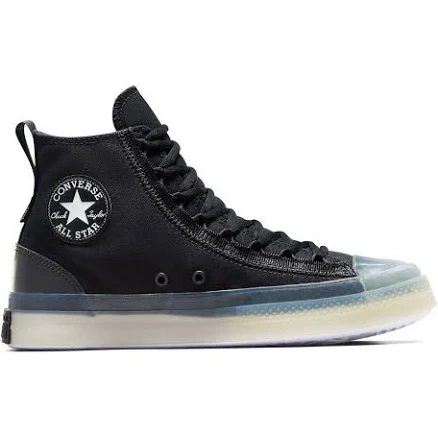
- Canvas upper, rubber sole
- We found no PFAS statement from the brand
- Azo dyes in canvas
2 hazards checked on this product, all on its full breakdown.
Find an alternative on Amazon
- Canvas, rubber sole
- We found no PFAS statement from the brand
- Azo dyes and synthetic dyes
4 hazards checked on this product, all on its full breakdown.
Find an alternative on Amazon
- Mesh upper, Fresh Foam midsole, rubber outsole
- We found no PFAS statement from the brand
- Azo dyes and color-based toxins
2 hazards checked on this product, all on its full breakdown.
Find an alternative on AmazonMore running & athletic shoes grades
How we score, every product runs through the same public 0-100 rubric based on materials, coatings, brand disclosure, lab findings, and recalls. See the full methodology → Spotted a mistake? Report an error.