Pyrex · Food Storage Containers
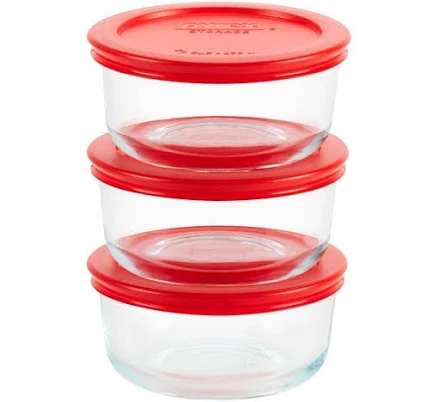
Pyrex Simply Store 6-Piece 2-Cup Glass Storage Container Set with Lids
Lower PFAS concern; glass containers are a solid choice; monitor plastic lid sourcing if you want extra assurance.
Pyrex Simply Store uses borosilicate glass containers, which don't require PFAS coatings and carry lower chemical risk than coated cookware or treated textiles. The plastic lids present minimal PFAS exposure during normal food-storage use, though Pyrex makes no public PFAS disclosure about lid material. No third-party verification exists.
We flunk more products than we pass. This one earned its grade. How we grade
Material
borosilicate glass container, plastic lids (likely polypropylene or polyethylene)
Lab data
No public lab test
You may also be interested in
Top-graded picks in the categories readers replace first, every one scored on the same rubric.

- polypropylene filter housing, carbon/sediment cartridge
- We found no PFAS statement from the brand
- Bacterial growth in spent cartridges
3 hazards checked on this product, all on its full breakdown.

Aquasure
Premier Series 75 GPD Under Sink Reverse Osmosis Water Filtration System
- RO membrane, carbon filters, stainless steel housing
- We found no PFAS statement from the brand
- Bacterial and microbial growth in housing and filters
4 hazards checked on this product, all on its full breakdown.

Avocado
Vegan Mattress
- organic cotton, natural latex, coconut coir, recycled steel coils
- The brand calls it PFAS-free, which we have not verified
- Heavy metals
2 hazards checked on this product, all on its full breakdown.
What Pyrex Simply Store 6-Piece 2-Cup Lids is made of, ingredients and materials
The containers are borosilicate glass, a heat-resistant material that does not leach chemicals into food under normal use because glass is inert and does not break down in contact with acidic, fatty, or hot foods. The lids are most likely polypropylene (PP) or polyethylene (PE), both thermoplastics that are food-contact approved in the US and EU. The risk profile is low because glass never requires coating or glazing, eliminating concerns about ceramic lead, enamel degradation, or non-stick polymer fumes that affect cookware.
What’s concerning
Category baseline
The starting point for this type of product, before anything specific to this product is counted.
No PFAS disclosure
No public statement from the brand about PFAS in this product.
Plastic lid degradation and microplastic release
Polypropylene and polyethylene lids can soften, warp, or crack with repeated high-heat exposure or dishwasher cycling, potentially releasing small plastic fragments into stored food. This is not unique to Pyrex but is a known limitation of plastic-lidded glass containers.
Borosilicate glass thermal shock fracture
Borosilicate is highly thermal-shock resistant but can crack if moved directly from freezer to hot stovetop or vice versa; this is a handling risk, not a toxicity issue, but results in glass fragments in food.
What’s reassuring
Bare uncoated material
Recorded as a bare, uncoated material with no surface coating or treatment.
BPA & bisphenols
Pyrex does not disclose BPA or BPS content in lids, but PP and PE are not primary sources of these chemicals in food-contact applications; most concern applies to polycarbonate and epoxy-lined products.
Source, FDA ↗Phthalates
No recalls or public reports of phthalate contamination in Pyrex storage lids; modern food-grade polypropylene typically does not include phthalates, though manufacturer confirmation is absent.
Source, ATSDR ↗Lead
Borosilicate food storage glass does not use glazes or enamels; FDA food-contact glass standards prohibit lead leaching, and no contamination reports exist for Pyrex storage containers.
Source, ATSDR ↗How is this PFAS grade calculated?
The brand's record and disclosure
Pyrex (now owned by Instant Brands) does not publicly disclose PFAS test results or sourcing practices for plastic lids, which is common among mainstream food-storage brands and does not indicate hidden risk. The brand has no major recalls or public safety controversies on this storage-container line as of recent records. Pyrex maintains FDA food-contact compliance certifications, which require baseline material safety but do not guarantee advanced transparency on PFAS "forever chemicals" in lids.
How it compares in its category
Borosilicate glass storage has lower concern for chemical leaching compared to plastic-only containers and shows similar chemical inertness to stainless-steel alternatives. Plastic lids on glass containers are standard across premium brands (Rubbermaid, OXO, Anchor Hocking) and carry similar lid-material uncertainties. This set is positioned as a mid-to-premium choice and avoids the budget-segment risk of thin plastic containers that may off-gas or warp more easily.
If you buy it
Keep lids off when microwaving or heating food above 170F (77C) to avoid potential low-level plastic softening, even though PP and PE are rated microwave-safe. Hand-wash lids with warm (not hot) soapy water to extend their life and avoid dishwasher heat cycling, which can degrade seals over years. Replace lids if they crack, lose fit, or develop odors, as damaged plastic may become a source of particulate contamination. The glass containers themselves are durable and can be used indefinitely with normal care.
What is not known about PFAS in this product?
- Basis
- Model estimate, 88% confidence, not a lab result
- Lab test
- None on record for this exact product
- Brand statement
- Pyrex has made a specific claim
Formulations change between production runs, so check the current label. How we grade.
More food storage containers grades
How we score, every product runs through the same public 0-100 rubric based on materials, coatings, brand disclosure, lab findings, and recalls. See the full methodology → Spotted a mistake? Report an error.