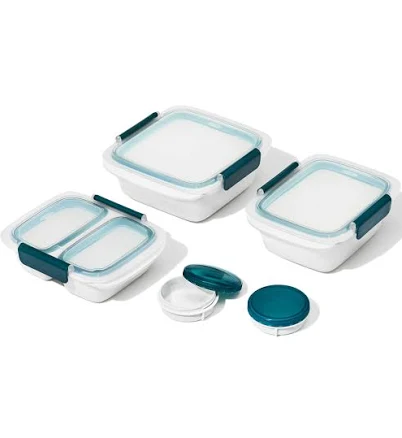
OXO Good Grips Prep & Go Leakproof Containers
Lower concern for typical food-storage use; no confirmed PFAS risk signals, but OXO has not publicly disclosed PFAS policy.
OXO Good Grips Prep & Go containers are polypropylene-based food storage with silicone seals, materials not inherently associated with intentional PFAS use. The brand has not issued public PFAS-free claims or third-party certifications. No recalls or lab detections are documented.
We flunk more products than we pass. This one earned its grade. How we grade
Material
Plastic (polypropylene) container with silicone gasket seal
Lab data
No public lab test
You may also be interested in
Top-graded picks in the categories readers replace first, every one scored on the same rubric.

- polypropylene filter housing, carbon/sediment cartridge
- We found no PFAS statement from the brand
- Bacterial growth in spent cartridges
3 hazards checked on this product, all on its full breakdown.

Aquasure
Premier Series 75 GPD Under Sink Reverse Osmosis Water Filtration System
- RO membrane, carbon filters, stainless steel housing
- We found no PFAS statement from the brand
- Bacterial and microbial growth in housing and filters
4 hazards checked on this product, all on its full breakdown.

Avocado
Vegan Mattress
- organic cotton, natural latex, coconut coir, recycled steel coils
- The brand calls it PFAS-free, which we have not verified
- Heavy metals
2 hazards checked on this product, all on its full breakdown.
What OXO Good Grips Prep & Go Containers is made of, ingredients and materials
The container body is polypropylene (PP, #5 plastic), a thermoplastic chosen for food contact because it does not leach BPA, BPS, or phthalates under normal storage conditions. The silicone gasket is inert and does not release volatile compounds at room temperature or during cold/mild warm storage. Polypropylene has a melting point around 130-150°C; at room temperature and refrigerator storage, no degradation or monomer migration is expected. The material is FDA-listed for food contact and polypropylene is a commodity plastic with lower concern for food storage compared to some alternatives.
What’s concerning
Category baseline
The starting point for this type of product, before anything specific to this product is counted.
No PFAS disclosure
No public statement from the brand about PFAS in this product.
Microplastics
Polypropylene can soften and micro-fragment if microwaved or exposed to sustained heat above its glass transition temperature. Normal refrigerated and room-temperature storage does not trigger this. Users who misuse containers for hot liquids increase fragmentation risk; gasket degradation can also shed small silicone particles over years.
Source, EPA ↗Coating or adhesive degradation over time
Silicone gaskets can lose seal integrity and become discolored after 1-3 years of use, especially if dishwashed frequently or exposed to oils. This is a functional failure (leakage) rather than a chemical hazard, but replacement gaskets may not always be available or affordable. No evidence of toxic off-gassing from degraded gaskets in normal use.
Mold or bacterial growth in gasket seals
Silicone gaskets are prone to harboring bacteria and mold if not dried thoroughly or if food residue is trapped in the seal groove. This is a hygiene risk, not a chemical toxicity risk, but it can compromise food safety. Regular inspection and thorough cleaning are necessary preventive steps.
What’s reassuring
Base material not linked to PFAS
The main material recorded for this product is not one associated with PFAS.
BPA & bisphenols
Polypropylene does not contain bisphenol A, bisphenol S, or phthalate plasticizers by chemistry. No reports of BPA or phthalate leaching from OXO PP containers. Risk is negligible for this material type.
Source, FDA ↗Silicone gasket leachables
Food-grade silicone does not leach oligomers or toxic additives under normal storage conditions. No reports of contamination from OXO silicone seals. Long-term exposure to heat or solvents can cause minor leaching, but this is not a concern in cold/room-temperature food storage.
How is this PFAS grade calculated?
The brand's record and disclosure
OXO has not published a PFAS-free declaration or detailed chemical disclosure for this product line. The brand has a strong reputation for consumer safety focus and product recalls when needed, but does not lead on transparency around PFAS "forever chemicals" in their plastics portfolio. No major recalls or safety incidents have been documented for OXO food-storage containers. The silicone gasket source and manufacturing standards are not independently verified in public records.
How it compares in its category
Polypropylene containers are industry standard and have not been linked to BPA or phthalates in the way that older polycarbonate (#7) or PVC (#3) materials have been. Glass containers offer zero plastic leaching risk but are heavier and break. Stainless steel with silicone seals (e.g., ECOlunchbox) avoid plastic entirely but are costlier. OXO's design and material choice place it in the mainstream middle, good ergonomics and affordability with acceptable chemical safety for the price point.
If you buy it
Store room-temperature and refrigerated foods only; do not microwave or expose to hot liquids above 65°C, as PP softens and gaskets may degrade over time. Replace the silicone gasket every 1-2 years if it becomes discolored, cracked, or loses seal elasticity. Wash by hand or on gentle dishwasher cycles to extend gasket life. Avoid prolonged contact with fatty foods (oils, butters, nuts) at warm temperatures, as they can accelerate minor plasticizer migration, though polypropylene's risk is very low compared to other plastics.
What is not known about PFAS in this product?
- Basis
- Model estimate, 72% confidence, not a lab result
- Lab test
- None on record for this exact product
- Brand statement
- OXO has made a specific claim
Formulations change between production runs, so check the current label. How we grade.
What are the PFAS-free alternatives to OXO Good Grips Prep & Go Leakproof Containers?
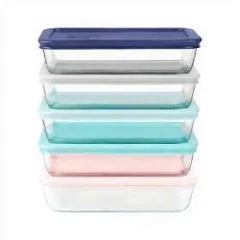
- borosilicate glass with metal lids (likely stainless steel or aluminum)
- Metal lid corrosion and leaching
3 hazards checked on this product, all on its full breakdown.
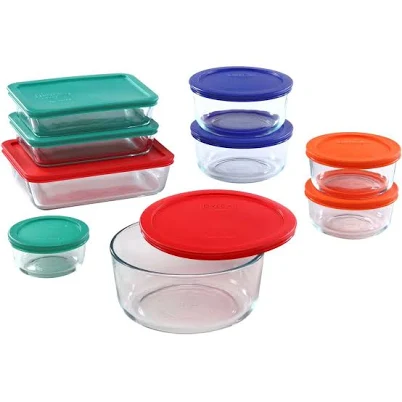
- borosilicate glass with plastic lids
- PFAS
4 hazards checked on this product, all on its full breakdown.
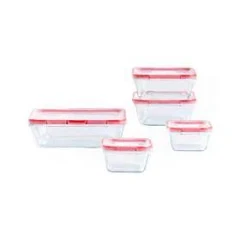
- Borosilicate glass containers with plastic lids (PP/TPE closure material unspecified)
- Microplastics
4 hazards checked on this product, all on its full breakdown.
More food storage containers grades
How we score, every product runs through the same public 0-100 rubric based on materials, coatings, brand disclosure, lab findings, and recalls. See the full methodology → Spotted a mistake? Report an error.