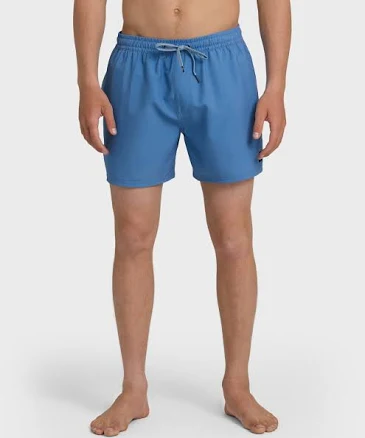
Quiksilver Men's Everyday Volley 15
Lower concern for basic swim short with no known PFAS-prone treatments, no transparency.
This men's swim short uses polyester mesh and nylon lining with no reported water-repellent coating, stain resistance, or water-repellent finish typical of PFAS applications. Quiksilver provides no PFAS disclosure.
The better-graded swap
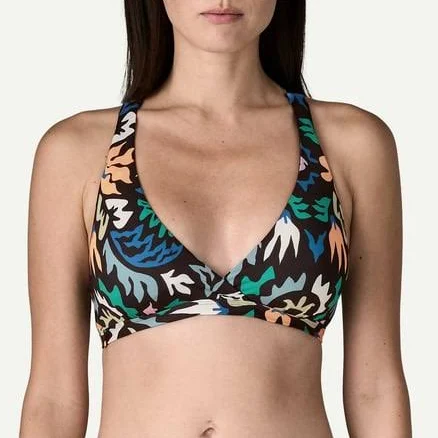
Patagonia
Patagonia Women's Bottom Turn Racerback Bikini Top
90/100 safety
Same rubric that flunked this product. The swap earned Excellent.
Still want this one anyway? Check the price on Amazon. We’d swap it.
Material
Polyester mesh and nylon lining
Lab data
No public lab test
You may also be interested in
Top-graded picks in the categories readers replace first, every one scored on the same rubric.

- polypropylene filter housing, carbon/sediment cartridge
- We found no PFAS statement from the brand
- Bacterial growth in spent cartridges
3 hazards checked on this product, all on its full breakdown.

Aquasure
Premier Series 75 GPD Under Sink Reverse Osmosis Water Filtration System
- RO membrane, carbon filters, stainless steel housing
- We found no PFAS statement from the brand
- Bacterial and microbial growth in housing and filters
4 hazards checked on this product, all on its full breakdown.

Avocado
Vegan Mattress
- organic cotton, natural latex, coconut coir, recycled steel coils
- The brand calls it PFAS-free, which we have not verified
- Heavy metals
2 hazards checked on this product, all on its full breakdown.
What Quiksilver Men's Everyday Volley 15 is made of, ingredients and materials
The Everyday Volley 15 uses polyester mesh as its shell and nylon for the lining, both synthetics chosen for quick-dry performance and durability in saltwater and chlorine environments. Polyester does not naturally leach harmful chemicals into skin during normal wear, and nylon linings are stable when kept at typical body temperature and chlorine exposure. Neither material is prone to shedding microplastics at the wear rates typical of swim shorts, though abrasion over many seasons can degrade fibers. The lack of rubber or heavy coatings on this basic volley design reduces concerns around volatile organic compounds (VOCs) or off-gassing common in more complex athletic wear.
What’s concerning
Category baseline
The starting point for this type of product, before anything specific to this product is counted.
No PFAS disclosure
No public statement from the brand about PFAS in this product.
Formaldehyde / VOCs
Wrinkle-resist or shrink-lock finishes applied to nylon can use formaldehyde-based resins to stabilize the weave. This product does not advertise such treatments, but low levels may be present; residual formaldehyde is typically negligible after one wash cycle.
Source, ATSDR ↗Nylon lining degradation and microfiber shed
Nylon linings can shed microscopic fibers when abraded by sand or rough skin over extended use. The actual risk to human health from microfiber ingestion via swimwear is unresolved in literature; shedding rate from this product type is low compared to synthetic textiles worn daily.
What’s reassuring
Base material not linked to PFAS
The main material recorded for this product is not one associated with PFAS.
Azo dyes in polyester coloring
Polyester mesh volley shorts are typically dyed with acid or disperse dyes; regulated azo dyes (those cleaving to aromatic amines) are not commonly detected in mainstream swimwear testing. No specific reports of banned azo dyes in Quiksilver swim shorts are on record.
Antimony in polyester
Antimony is used as a catalyst in polyester production but does not migrate into skin or water under normal wear and wash conditions. No evidence of excess antimony accumulation in standard polyester swim shorts exists.
Irritant skin contact from undyed or excess dye residue
No documented cases of contact dermatitis specific to Quiksilver volley shorts are on record. Standard polyester and nylon are well-tolerated by most skin types; risk is individual and not product-specific.
How is this PFAS grade calculated?
The brand's record and disclosure
Quiksilver has not published detailed chemical transparency reports or third-party certifications for this swimwear line. The brand maintains a surfing and action-sports identity but does not appear on lists of leaders in material disclosure or restricted substance compliance. No major recalls or safety controversies specific to Quiksilver swim shorts have been documented in public safety databases. Absence of transparency does not indicate a hazard, but it means chemical safety is not a competitive advantage for this brand in this category.
How it compares in its category
Polyester mesh volley shorts are the market standard for casual swim wear and carry an unremarkable safety profile compared to alternatives. Competitors using identical polyester-nylon construction (e.g., Billabong, O'Neill) face the same material baseline. Higher-end brands sometimes add recycled polyester or transparency certifications, but the core chemistry remains unchanged. Budget and premium volley shorts differ mainly in fit, durability, and brand reputation rather than chemical safety.
If you buy it
Rinse with fresh water after saltwater or chlorine exposure to minimize salt and chemical buildup on the fabric; this extends lifespan and reduces skin irritation risk. Wash in cool water and air dry to preserve elasticity and prevent accelerated degradation of the polyester and nylon. Avoid high-heat dryers, which can warp synthetic fibers and theoretically increase microfiber shedding, though risk is low for casual use. Replace the shorts when elastic loses function or mesh shows visible thinning; typical lifespan is 2 to 3 seasons of regular use.
What is not known about PFAS in this product?
- Basis
- Model estimate, 72% confidence, not a lab result
- Lab test
- None on record for this exact product
- Brand statement
- Quiksilver has made a specific claim
Formulations change between production runs, so check the current label. How we grade.
What are the PFAS-free alternatives to Quiksilver Men's Everyday Volley 15?
- Nylon/polyester blend with elastane (standard swimwear)
- The brand calls it PFAS-free, which we have not verified
- Elastane (spandex) degradation under heat or chlorine
More swimwear grades
How we score, every product runs through the same public 0-100 rubric based on materials, coatings, brand disclosure, lab findings, and recalls. See the full methodology → Spotted a mistake? Report an error.