
Reiss Women's Luna Underwire Bandeau Cutout Swimsuit
Standard swimwear without water-repellent treatment suggests lower risk.
Nylon-spandex suit has no advertised water-repellent or stain finish. Reiss does not disclose PFAS use or avoidance.
The better-graded swap
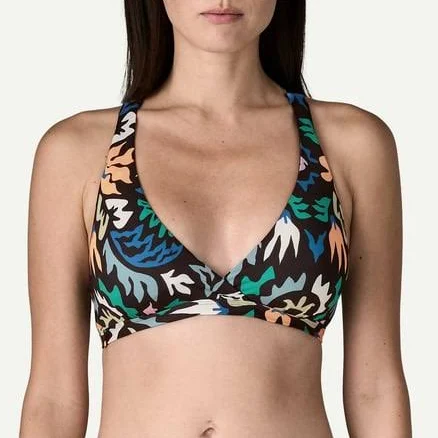
Patagonia
Patagonia Women's Bottom Turn Racerback Bikini Top
90/100 safety
Same rubric that flunked this product. The swap earned Excellent.
Still want this one anyway? Check the price on Amazon. We’d swap it.
Material
Nylon, spandex blend (typical swimsuit construction)
Brand disclosure
Brand is silent on PFAS
Lab data
No public lab test
What Reiss Women's Luna Underwire Bandeau is made of, ingredients and materials
This swimsuit is constructed from nylon and spandex, the industry standard for fitted swimwear. Nylon is a synthetic polymer chosen for durability, stretch recovery, and quick-dry properties. Spandex (elastane) provides the stretch and form-fit essential to swimsuit function. Neither material is inherently hazardous in normal use; the main risk profile comes from dyes, finishes, and how the garment is manufactured and cared for.
What’s concerning
Category baseline
The starting point for this type of product, before anything specific to this product is counted.
No PFAS disclosure
No public statement from the brand about PFAS in this product.
Azo dyes and colorant toxicity
Nylon swimwear is typically dyed with synthetic dyes; some azo dyes can release aromatic amines under degradation or sweat exposure. No specific recall or test data exists for this Reiss product, but the risk is standard across the category and minimized by rinsing and avoiding overheating.
Elastic degradation and microfiber shedding
Spandex degrades with chlorine, UV, and heat, shedding microfibers into water and potentially into the skin barrier over time. This is a use-phase concern common to all swimwear rather than a manufacturing defect unique to this product.
Formaldehyde / VOCs
Some swimwear manufacturers use formaldehyde-releasing resins for wrinkle resistance or sizing; Reiss does not publicly disclose finish chemistry for this product. Rinsing before wear and laundering before extended skin contact mitigates residual exposure.
Source, ATSDR ↗What’s reassuring
Base material not linked to PFAS
The main material recorded for this product is not one associated with PFAS.
Heavy metals
Nylon and spandex dyes may contain trace heavy metals (lead, cadmium, chromium) depending on dye chemistry and mill standards. No test data or recall implicates Reiss specifically; mainstream suppliers typically meet EU and US import standards that limit these contaminants.
Source, FDA ↗The full breakdown
The brand's record and disclosure
Reiss is a London-based fashion retailer with no major public safety recalls or controversies on record for swimwear. The brand does not make explicit PFAS or chemical-use disclosures readily available to consumers. There is no evidence of third-party certifications (such as OEKO-TEX or GOTS) for this specific product, which is typical for mainstream fashion swimwear rather than a quality gap unique to Reiss.
How it compares in its category
Mainstream nylon-spandex swimwear from established retailers sits in the mid-range safety tier. This product lacks water-repellent or stain-resistant treatments, which actually reduces PFAS exposure risk compared to performance or luxury swimwear that often use fluorinated coatings. Premium brands rarely disclose full dye or finish chemistry either, making Reiss comparable to peers like J.Crew or Madewell in transparency and material choice.
If you buy it
Rinse the swimsuit in fresh water after each chlorine or saltwater exposure to remove residual chemicals and prolong elasticity. Machine wash in cool water on a delicate cycle or hand wash, and lay flat to dry; excess heat and chlorine degrade spandex over time. Replace after 2-3 years of regular use or when elastic loses recovery. Avoid extended exposure to direct sunlight, which can fade dyes and weaken fibers.
What we don’t know
- Basis
- Model estimate, 72% confidence, not a lab result
- Lab test
- None on record for this exact product
- Brand statement
- Reiss has made none
Formulations change between production runs, so check the current label. How we grade.
Better-graded alternatives in Swimwear
Patagonia
Women's Bottom Turn Racerback Bikini Top
- Nylon/polyester blend with elastane (standard swimwear)
- The brand calls it PFAS-free, which we have not verified
- Elastane (spandex) degradation under heat or chlorine
More swimwear grades
How we score, every product runs through the same public 0-100 rubric based on materials, coatings, brand disclosure, lab findings, and recalls. See the full methodology → Spotted a mistake? Report an error.