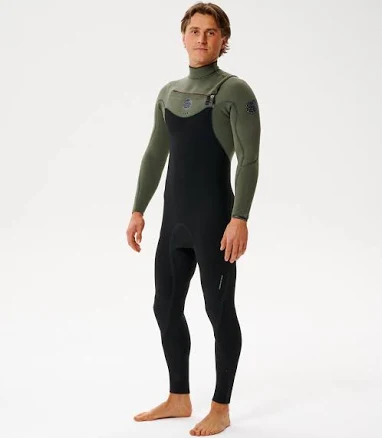
Rip Curl Flashbomb Chest Zip Fullsuit Wetsuit
Skip until Rip Curl discloses wetsuit coating chemistry or certifies PFAS-free status.
Rip Curl wetsuits use water-resistant and durable coatings typical of the industry, but the brand makes no public disclosure of PFAS use or avoidance. Wetsuits historically rely on water-repellent coating treatments that may contain fluorinated compounds.
The better-graded swap
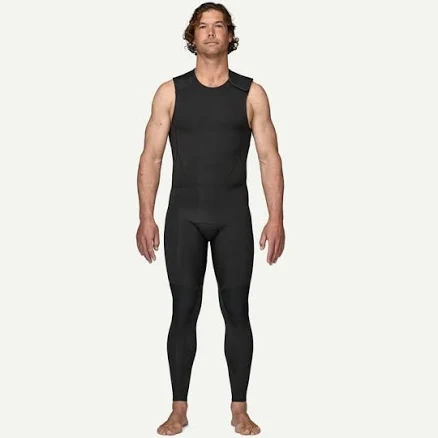
Patagonia
Patagonia Men's Yulex Regulator Lite Long John Wetsuit
90/100 safety
Same rubric that flunked this product. The swap earned Excellent.
Still want this one anyway? Check the price on Amazon. We’d swap it.
Material
Neoprene/rubber with unspecified water-resistant coating
Brand disclosure
Brand is silent on PFAS
Lab data
No public lab test
You may also be interested in
Top-graded picks in the categories readers replace first, every one scored on the same rubric.

- polypropylene filter housing, carbon/sediment cartridge
- We found no PFAS statement from the brand
- Bacterial growth in spent cartridges
3 hazards checked on this product, all on its full breakdown.

Aquasure
Premier Series 75 GPD Under Sink Reverse Osmosis Water Filtration System
- RO membrane, carbon filters, stainless steel housing
- We found no PFAS statement from the brand
- Bacterial and microbial growth in housing and filters
4 hazards checked on this product, all on its full breakdown.

Avocado
Vegan Mattress
- organic cotton, natural latex, coconut coir, recycled steel coils
- The brand calls it PFAS-free, which we have not verified
- Heavy metals
2 hazards checked on this product, all on its full breakdown.
What Rip Curl Flashbomb Chest Fullsuit Wetsuit is made of, ingredients and materials
The Flashbomb Chest Zip is constructed from neoprene (synthetic rubber) with an unspecified water-resistant or water-repellent coating (water-repellent coating) coating. Neoprene itself is chloroprene polymer, relatively inert in skin contact. The coating formulation is the concern, water-repellent coating treatments on textiles and wetsuits historically rely on fluorinated compounds (PFAS) to achieve water shedding properties, though some newer products use fluorine-free alternatives. Rip Curl has not disclosed their coating chemistry for this model.
What’s concerning
Category baseline
The starting point for this type of product, before anything specific to this product is counted.
No PFAS disclosure
No public statement from the brand about PFAS in this product.
Waterproof / stain-resistant treatment
Water-repellent coating treatments have historically used PFAS.
PFAS
Rip Curl has not disclosed water-repellent coating chemistry for this model. Standard industry practice for neoprene wetsuits involves fluorinated compounds that persist in body and environment. Skin contact with coated wetsuits poses theoretical but not quantified PFAS absorption risk; independent testing of coated wetsuits is rare and not available for this specific SKU.
Source, ATSDR ↗Coating degradation and microparticles
As water-repellent coating coatings break down over months or years of saltwater and UV exposure, fine particles may shed into rinse water or the wearer's environment. No quantified data exists for this specific product. Microparticle release is unavoidable with any coated textile and is not specific to Rip Curl.
Bacterial or mold growth if improperly stored
This is a usage and maintenance hazard, not a manufacturing defect. Neoprene is porous; wet storage or compressed storage without ventilation promotes microbial growth. Proper care (rinse, hang-dry) eliminates this risk. No product-specific hazard identified.
What’s reassuring
Neoprene off-gassing and volatiles
Virgin chloroprene rubber emits minimal VOCs at room temperature. Rip Curl does not disclose accelerators or plasticizers in their neoprene formulation. No recalls or health reports specific to this product exist. Off-gassing is not a documented concern for standard neoprene wetsuits in normal use.
Heavy metals
No recalls or third-party findings of lead, cadmium, or azo-dye toxicity in Rip Curl wetsuits are on record. Neoprene manufacturing standards in major producing regions do include some controls, but disclosure from Rip Curl is absent. Risk is theoretical and consistent with the broader category.
Source, FDA ↗How is this PFAS grade calculated?
The brand's record and disclosure
Rip Curl has not published detailed PFAS avoidance commitments or third-party certifications for their wetsuit range as of available public records. The brand remains largely silent on water-repellent coating treatment specifics, which is typical across the broader surfwear industry but raises risk where competing brands (e.g., Finisterre, some O'Neill lines) have begun disclosing PFAS-free or low-PFAS alternatives. No major safety recalls or contamination findings specific to Rip Curl wetsuits have been publicly documented.
How it compares in its category
This product sits in the mainstream mid-to-premium segment of wetsuits. Most competitors (O'Neill, Xcel, Fourth Element) also use neoprene with unspecified coatings, though a growing subset now certifies PFAS-free water-repellent coating. Rip Curl's lack of transparency is a weakness relative to sustainability-focused brands but is not unusual for mainstream action-sports manufacturers. The neoprene-manufacturing and chlorine-based processing steps are standard industry-wide and carry low direct consumer hazard.
If you buy it
Rinse thoroughly with fresh water after each saltwater use to remove chloride and microbes that degrade neoprene and coatings over time. Hang dry away from direct heat and sunlight; UV and heat accelerate coating breakdown. Store in a cool, dry place; do not compress for extended periods. If the coating visibly degrades (whitening, flaking), water absorption will increase; replacement is practical after 3-5 years of regular use depending on frequency and care. Avoid machine washing; hand rinse only.
What is not known about PFAS in this product?
- Basis
- Model estimate, 35% confidence, not a lab result
- Lab test
- None on record for this exact product
- Brand statement
- Rip Curl has made none
Formulations change between production runs, so check the current label. How we grade.
What are the PFAS-free alternatives to Rip Curl Flashbomb Chest Zip Fullsuit Wetsuit?
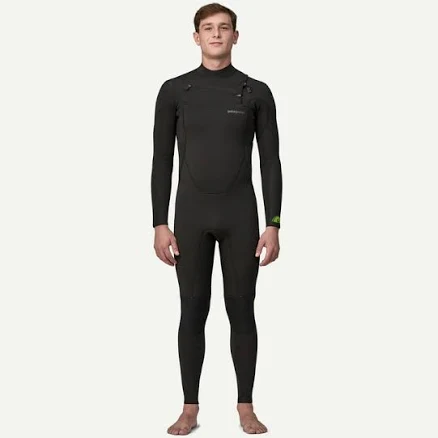
- Yulex (synthetic rubber), neoprene-free base
- The brand calls it PFAS-free, which we have not verified
- Formaldehyde / VOCs
2 hazards checked on this product, all on its full breakdown.
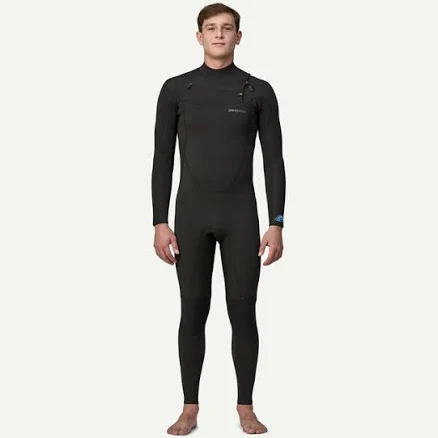
- Yulex (synthetic rubber, PTMEG-based), neoprene-free
- The brand calls it PFAS-free, which we have not verified
- Synthetic rubber degradation and material failure
- Yulex (synthetic rubber), neoprene-free alternative
- The brand calls it PFAS-free, which we have not verified
- Formaldehyde / VOCs
4 hazards checked on this product, all on its full breakdown.
More wetsuits grades
How we score, every product runs through the same public 0-100 rubric based on materials, coatings, brand disclosure, lab findings, and recalls. See the full methodology → Spotted a mistake? Report an error.