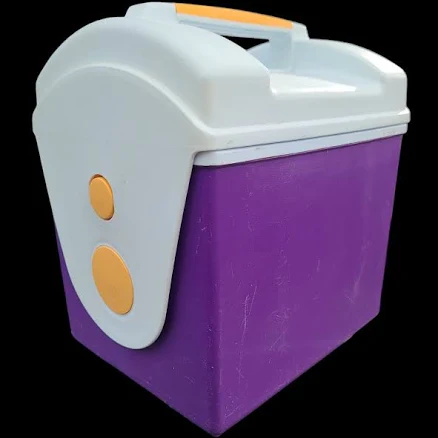
Rubbermaid Sidekick Small Ice Chest Cooler Lunchbox Flip Top Purple &
No coating described, and no PFAS statement from the brand.
The product information we reviewed describes plastic (PE/PP) with insulating liner, with no water-repellent coating named. Water resistance on products like this usually comes from the material and its seals rather than a surface treatment. The brand has published no PFAS statement for it.
The better-graded swap
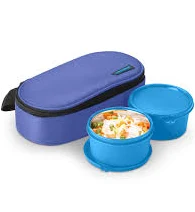
Trueware
Trueware Stainless Steel Lunch Box With 2 Steel Containers
80/100 safety
Same rubric that flunked this product. The swap earned Excellent.
Still want this one anyway? Check the price on Amazon. We’d swap it.
Material
Plastic (PE/PP) with insulating liner
Brand disclosure
Brand is silent on PFAS
Lab data
No public lab test
You may also be interested in
Top-graded picks in the categories readers replace first, every one scored on the same rubric.

- polypropylene filter housing, carbon/sediment cartridge
- We found no PFAS statement from the brand
- Bacterial growth in spent cartridges
3 hazards checked on this product, all on its full breakdown.

Aquasure
Premier Series 75 GPD Under Sink Reverse Osmosis Water Filtration System
- RO membrane, carbon filters, stainless steel housing
- We found no PFAS statement from the brand
- Bacterial and microbial growth in housing and filters
4 hazards checked on this product, all on its full breakdown.

Avocado
Vegan Mattress
- organic cotton, natural latex, coconut coir, recycled steel coils
- The brand calls it PFAS-free, which we have not verified
- Heavy metals
2 hazards checked on this product, all on its full breakdown.
What Rubbermaid Sidekick Small Flip Top Purple is made of, ingredients and materials
The Sidekick is constructed from polyethylene (PE) and polypropylene (PP) plastics with an insulating foam or air-gap liner, a standard design for soft-sided coolers. PE and PP are among the most chemically stable food-contact plastics and do not contain BPA, phthalates, or other endocrine disruptors by formulation. The material degrades slowly over years and is not known to leach under normal lunch-use conditions (ambient to cool temperatures, no extreme heat).
What’s concerning
Category baseline
The starting point for this type of product, before anything specific to this product is counted.
No PFAS disclosure
No public statement from the brand about PFAS in this product.
Microplastic shedding or leaching
Mechanical wear of seams, hinges, and foam liners over time can generate microparticles; prolonged high heat or UV exposure accelerates this. Risk is low under normal lunch-box use but increases with age and rough handling.
Seam separation and bacterial growth in insulating gaps
If the lining delaminates or seams fail, moisture can enter foam cavities, creating conditions for mold or bacterial growth. Regular inspection and prompt replacement mitigate this.
What’s reassuring
Base material not linked to PFAS
The main material recorded for this product is not one associated with PFAS.
BPA & bisphenols
PE and PP formulations used in this product do not contain these chemicals by standard manufacture. No recalls or test reports indicating contamination.
Source, FDA ↗Adhesive or liner off-gassing (VOCs)
No reported off-gassing complaints or data for the Sidekick; insulation liners in soft coolers are typically low-VOC polyurethane or closed-cell foam, not known to release formaldehyde or solvents.
Coating or surface treatment degradation
No coating is described in product specifications. The exterior is direct PE/PP plastic; no paint, resin, or antimicrobial finish is referenced.
How is this PFAS grade calculated?
The brand's record and disclosure
Rubbermaid is a major U.S. consumer products company (owned by Newell Brands) with longstanding FDA and CPSC compliance. The brand has not published specific PFAS statements or certifications for this product line, and no public recalls related to chemical leaching have been issued for the Sidekick series. The company's general approach is reactive compliance rather than proactive PFAS elimination in soft-goods coolers.
How it compares in its category
Soft-sided PE/PP lunch coolers dominate the mid-market segment and carry similar material profiles to competitors (LL.Bean, Igloo, Coleman budget models). The Sidekick's flip-top design and branded reputation position it as reliable but not premium; higher-end coolers may use nylon or recycled materials with different risk profiles. No significant safety advantage or disadvantage within the category based on publicly available data.
If you buy it
Avoid prolonged exposure to direct sunlight or hot car interiors, which can accelerate plastic degradation over years. Do not use for hot liquids or foods above 140F, as sustained heat can stress seams and liners. Wash with cool water and mild soap after use, especially after acidic or fatty foods, and inspect seams and hinges annually for cracks or separation. Replace if the lining separates, seams delaminate, or exterior plastics show brittleness or discoloration.
What is not known about PFAS in this product?
- Basis
- Model estimate, 62% confidence, not a lab result
- Lab test
- None on record for this exact product
- Brand statement
- Rubbermaid has made none
Formulations change between production runs, so check the current label. How we grade.
What are the PFAS-free alternatives to Rubbermaid Sidekick Small Ice Chest Cooler Lunchbox Flip Top Purple &?
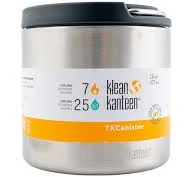
Klean Kanteen
Double Wall Vacuum Insulated Stainless Steel Food Canister Container with Leak Proof Lid
- Stainless steel body, silicone gasket lid seal
- The brand calls it PFAS-free, which we have not verified
- Silicone gasket degradation
3 hazards checked on this product, all on its full breakdown.
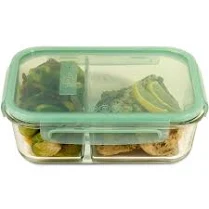
- borosilicate glass
- We found no PFAS statement from the brand
- Leaching from glass matrix or lid seals
2 hazards checked on this product, all on its full breakdown.
- stainless steel
- We found no PFAS statement from the brand
- Nickel leaching (from stainless steel alloy)
4 hazards checked on this product, all on its full breakdown.
More lunch boxes grades
How we score, every product runs through the same public 0-100 rubric based on materials, coatings, brand disclosure, lab findings, and recalls. See the full methodology → Spotted a mistake? Report an error.