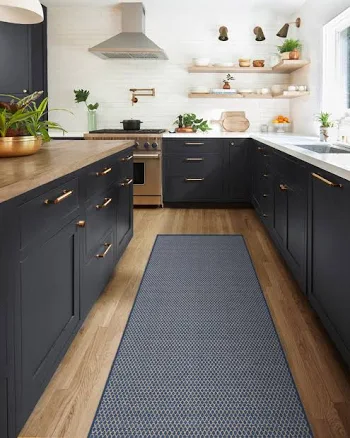
Ruggable Outdoor Washable Re-Jute Area Rug
Avoid until Ruggable discloses its coating formula or provides independent PFAS testing results.
Outdoor Re-Jute rug advertises water and stain resistance but Ruggable does not disclose what coating delivers this performance. Water-resistant textile finishes commonly rely on PFAS-based water-repellent coating treatments.
The better-graded swap
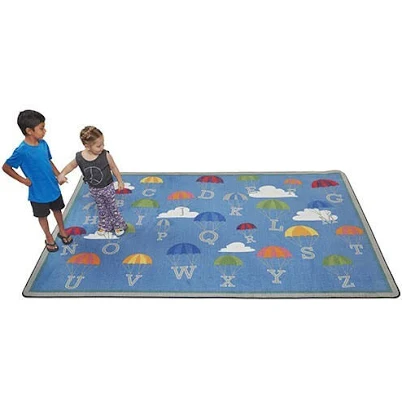
Parachute
ECR4Kids P is for Parachute Activity Rug
75/100 safety
Same rubric that flunked this product. The swap earned Excellent.
Still want this one anyway? Check the price on Amazon. We’d swap it.
Material
Jute blend with unspecified stain/water-resistant coating
Brand disclosure
Brand is silent on PFAS
Lab data
No public lab test
You may also be interested in
Top-graded picks in the categories readers replace first, every one scored on the same rubric.

- polypropylene filter housing, carbon/sediment cartridge
- We found no PFAS statement from the brand
- Bacterial growth in spent cartridges
3 hazards checked on this product, all on its full breakdown.

Aquasure
Premier Series 75 GPD Under Sink Reverse Osmosis Water Filtration System
- RO membrane, carbon filters, stainless steel housing
- We found no PFAS statement from the brand
- Bacterial and microbial growth in housing and filters
4 hazards checked on this product, all on its full breakdown.

Avocado
Vegan Mattress
- organic cotton, natural latex, coconut coir, recycled steel coils
- The brand calls it PFAS-free, which we have not verified
- Heavy metals
2 hazards checked on this product, all on its full breakdown.
What Ruggable Outdoor Washable Re-Jute Area Rug is made of, ingredients and materials
This rug combines jute fibers (a natural plant material) with an unspecified synthetic stain and water-resistant coating. Jute itself is low-hazard, but the coating chemistry is the critical unknown. Water-resistant finishes on textiles frequently rely on fluorochemical treatments (PFAS compounds) or polyurethane-based systems, either of which can off-gas or leach into indoor air and dust. Ruggable has not publicly disclosed its coating formula, making independent hazard assessment impossible.
What’s concerning
Category baseline
The starting point for this type of product, before anything specific to this product is counted.
Vague safety claims only
Uses vague language ("eco-friendly", "clean") without a specific PFAS statement.
Waterproof / stain-resistant treatment
Water-repellent coating treatments have historically used PFAS.
Volatile organic compounds (VOCs) from coating off-gassing
Undisclosed synthetic water-resistant coatings commonly emit VOCs during the first weeks to months. Ruggable rugs are noted by some users to have a chemical odor upon arrival, suggesting solvent or resin volatilization. Ventilation and time reduce but do not eliminate this risk without knowing the exact coating type.
Coating degradation and particulate release
Jute is a natural fiber prone to abrasion and shedding; the synthetic coating is designed to protect it but may flake or wear over time, especially with washing. Degraded coating fragments mixed with jute fibers could be inhaled or ingested by young children playing on the rug. No durability or wear data specific to this product is publicly available.
Bacterial or mold growth if moisture retention occurs
Despite water-resistant coatings, jute retains moisture if spills are not fully dried or if the rug sits in humid conditions. Jute is susceptible to mold and bacterial colonization, which can degrade indoor air quality. The washability is an advantage but only if the coating does not trap moisture beneath the fibers.
What’s reassuring
Formaldehyde / VOCs
Formaldehyde-releasing resins are less common in modern water-repellent finishes than in traditional dye-fixatives, but cannot be ruled out without disclosed ingredients. No reports of formaldehyde issues in Ruggable products are on record, but the brand has not tested for or ruled out this risk.
Source, ATSDR ↗Heavy metals
No recalls or test reports document heavy metal contamination in Ruggable rugs. However, the brand has not published dye source or pigment composition data, so heavy metal content (e.g., lead in certain colorants) cannot be independently verified.
Source, FDA ↗How is this PFAS grade calculated?
The brand's record and disclosure
Ruggable markets washable rugs as a convenience product but maintains silence on the chemical composition of its stain and water treatments. The brand has not published PFAS testing results, manufacturing certifications (such as GOTS or OEKO-TEX), or a detailed ingredient list for coatings. This lack of transparency is a red flag in a product category where water-repellent treatments are the primary value proposition. No major recalls or safety incidents are on record, but absence of disclosure does not equal absence of risk.
How it compares in its category
Most outdoor and washable rugs use either PFAS-based fluorochemical coatings (standard but problematic) or alternatives such as silicone or wax-based treatments that are not known to contain PFAS (lower concern but potentially less durable). High-transparency brands like Pottery Barn and some eco-certified manufacturers provide chemical disclosures or third-party testing; Ruggable does not. For the price point, this rug is competitive in comfort but lags in chemical accountability compared to brands that have committed to PFAS-free or certified-safe finishes.
If you buy it
Air out the rug in a well-ventilated space for 48-72 hours before placing in high-traffic indoor areas to minimize off-gassing of coating residues. Wash according to label instructions using cool water; avoid hot water or steam, which can degrade the coating and increase chemical release. Inspect the coating annually for peeling, cracking, or loss of water repellency, which signals degradation and may increase dust and particulate exposure. If you are pregnant, have young children, or are immunocompromised, consider a certified-safe alternative until Ruggable provides independent testing.
What is not known about PFAS in this product?
- Basis
- Model estimate, 35% confidence, not a lab result
- Lab test
- None on record for this exact product
- Brand statement
- Ruggable has made none
Formulations change between production runs, so check the current label. How we grade.
What are the PFAS-free alternatives to Ruggable Outdoor Washable Re-Jute Area Rug?
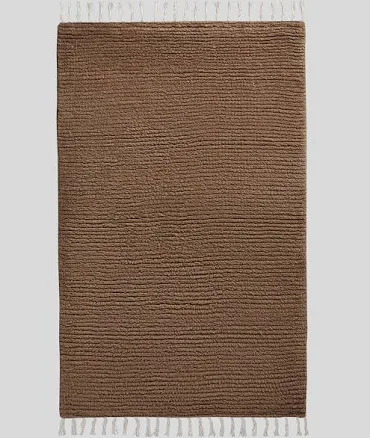
- wool fiber, no reported topical treatment
- We found no PFAS statement from the brand
- Heavy metals
3 hazards checked on this product, all on its full breakdown.
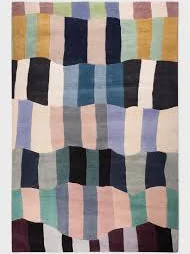
- wool and natural fibers (handmade rug)
- We found no PFAS statement from the brand
- Pesticide residue
4 hazards checked on this product, all on its full breakdown.
- polyester blend fabric, parachute construction
- We found no PFAS statement from the brand
- Flame retardants
4 hazards checked on this product, all on its full breakdown.
More area rugs grades
How we score, every product runs through the same public 0-100 rubric based on materials, coatings, brand disclosure, lab findings, and recalls. See the full methodology → Spotted a mistake? Report an error.