Salomon · Running & Athletic Shoes
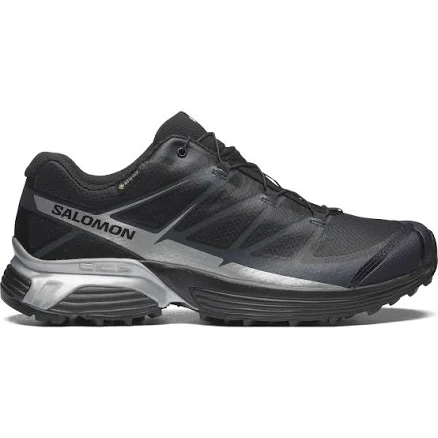
Salomon XT-Pathway GTX
GTX hiking shoe; Gore-Tex waterproofing likely contains legacy PFAS, no disclosure.
Salomon does not publicly disclose PFAS use or absence in this shoe. Gore-Tex membranes historically contained PFOA-based coatings, though Gore has transitioned some products. Verification unavailable.
Still want this one anyway? Check the price on Amazon. We’d swap it.
Material
Gore-Tex membrane with nylon upper
Lab data
No public lab test
You may also be interested in
Top-graded picks in the categories readers replace first, every one scored on the same rubric.

- polypropylene filter housing, carbon/sediment cartridge
- We found no PFAS statement from the brand
- Bacterial growth in spent cartridges
3 hazards checked on this product, all on its full breakdown.

Aquasure
Premier Series 75 GPD Under Sink Reverse Osmosis Water Filtration System
- RO membrane, carbon filters, stainless steel housing
- We found no PFAS statement from the brand
- Bacterial and microbial growth in housing and filters
4 hazards checked on this product, all on its full breakdown.

Avocado
Vegan Mattress
- organic cotton, natural latex, coconut coir, recycled steel coils
- The brand calls it PFAS-free, which we have not verified
- Heavy metals
2 hazards checked on this product, all on its full breakdown.
What Salomon XT-Pathway GTX is made of, ingredients and materials
The XT-Pathway GTX uses a nylon upper paired with Gore-Tex membrane laminate for waterproofing. Gore-Tex's water-repellency historically relied on Teflon-type coating (polytetrafluoroethylene) and Teflon-family coating treatments that typically contained legacy PFAS compounds (PFOA, PFOS, or replacements like GenX). The nylon shell itself is not inherently hazardous, but the fluorinated finish on the membrane is the material source of concern. Salomon has not published reformulation claims or PFAS-free alternatives for this model line.
What’s concerning
Waterproof / stain-resistant treatment
Water-repellent coating treatments have historically used PFAS.
Category baseline
The starting point for this type of product, before anything specific to this product is counted.
No PFAS disclosure
No public statement from the brand about PFAS in this product.
Teflon-type coating and Teflon-family coating coatings in Gore-Tex membrane
Gore-Tex laminate in this shoe almost certainly contains legacy PFAS or fluorinated replacements. No reformulation disclosure from Salomon. Dermal absorption risk is low but inhalation risk during manufacturing and end-of-life disposal exists.
Adhesive and laminate solvents (VOC)
Gore-Tex lamination uses adhesives that may off-gas volatile organic compounds, particularly if stored in warm conditions. Salomon provides no VOC data. New-shoe odor is typical but indicates incomplete solvent cure.
What’s reassuring
Azo dyes in nylon dyeing
Nylon uppers are typically disperse-dyed. Salomon does not publish dye restrictions or Bluesign certification for this model, so carcinogenic azo dye presence cannot be ruled out, though direct consumer contact risk is minimal.
Flame retardants
Hiking shoes do not typically require flame retardant treatment. No evidence of intentional flame retardant additives in this product line, but backing fabrics are not publicly disclosed.
Source, EPA ↗Antimony in polyester-blend components
If shoe includes polyester reinforcement or thread, antimony trioxide may be present as a catalyst residue. Salomon does not specify material ratios. Direct skin contact risk is very low.
How is this PFAS grade calculated?
The brand's record and disclosure
Salomon (owned by Anta Sports) does not maintain public transparency on PFAS use in footwear or a commitment to phase-out timelines comparable to brands like Patagonia or Decathlon. No independent certifications (Cradle to Cradle, Bluesign, or OEKO-TEX STANDARD 100) are listed for this shoe. Salomon has faced no high-profile recalls or regulatory action related to this product, but the absence of disclosure does not indicate absence of PFAS.
How it compares in its category
Most hiking boots and GTX shoes carry similar PFAS risk from waterproofing membranes; this is a category-wide issue, not unique to Salomon. Competitors (Merrell, Keen, ASOLO) face identical constraints unless explicitly marketed as PFAS-free. Some outdoor brands now offer non-fluorinated waterproof alternatives (e.g., Paragon or recycled membranes), but these remain niche. The XT-Pathway GTX sits in the conventional performance tier with standard chemical profiles.
If you buy it
Rinse the exterior after muddy or salty use to limit dermal contact with treated surfaces; do not machine wash, as agitation may accelerate coating shedding. Store in a cool, dry place; avoid prolonged heat exposure (e.g., radiators, dishwashers) which can degrade the fluorinated layer and release volatile compounds. Replace when waterproofing fails noticeably (typically 3-5 years). If PFAS minimization is your priority, inquire with Salomon about PFAS-free GTX alternatives or consider non-membrane hiking shoes.
What is not known about PFAS in this product?
- Basis
- Model estimate, 35% confidence, not a lab result
- Lab test
- None on record for this exact product
- Brand statement
- Salomon has made a specific claim
Formulations change between production runs, so check the current label. How we grade.
What are the PFAS-free alternatives to Salomon XT-Pathway GTX?
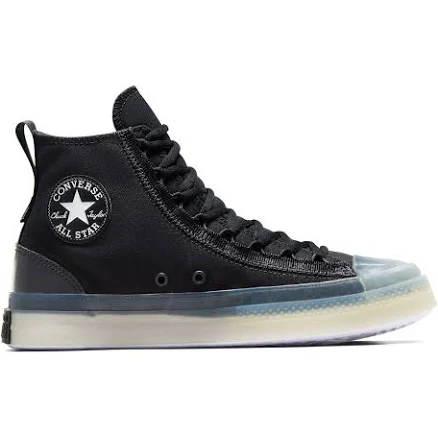
- Canvas upper, rubber sole
- We found no PFAS statement from the brand
- Azo dyes in canvas
2 hazards checked on this product, all on its full breakdown.
Find an alternative on Amazon
- Canvas, rubber sole
- We found no PFAS statement from the brand
- Azo dyes and synthetic dyes
4 hazards checked on this product, all on its full breakdown.
Find an alternative on Amazon
- Mesh upper, Fresh Foam midsole, rubber outsole
- We found no PFAS statement from the brand
- Azo dyes and color-based toxins
2 hazards checked on this product, all on its full breakdown.
Find an alternative on AmazonMore running & athletic shoes grades
How we score, every product runs through the same public 0-100 rubric based on materials, coatings, brand disclosure, lab findings, and recalls. See the full methodology → Spotted a mistake? Report an error.