· Synthetic Athletic Insoles & Orthotics
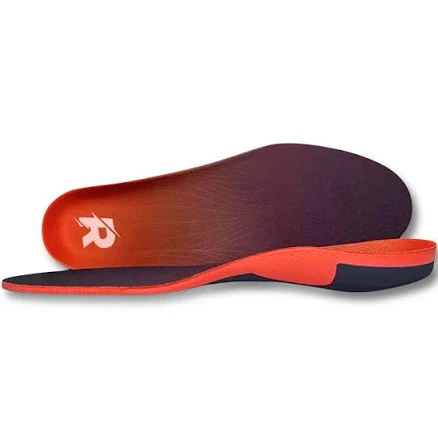
MFM Performance Zero Drop Insoles
Not enough data. Insoles unlikely to contain PFAS, brand discloses nothing.
These cushioned insoles lack known PFAS-involved materials. The brand offers no PFAS openness or certifications, though the material type carries low inherent risk.
Still want this one anyway? Check the price on Amazon. We’d swap it.
Material
foam cushioning, fabric upper (typical insole construction)
Brand disclosure
Brand is silent on PFAS
Lab data
No public lab test
You may also be interested in
Top-graded picks in the categories readers replace first, every one scored on the same rubric.

- polypropylene filter housing, carbon/sediment cartridge
- We found no PFAS statement from the brand
- Bacterial growth in spent cartridges
3 hazards checked on this product, all on its full breakdown.

Aquasure
Premier Series 75 GPD Under Sink Reverse Osmosis Water Filtration System
- RO membrane, carbon filters, stainless steel housing
- We found no PFAS statement from the brand
- Bacterial and microbial growth in housing and filters
4 hazards checked on this product, all on its full breakdown.

Avocado
Vegan Mattress
- organic cotton, natural latex, coconut coir, recycled steel coils
- The brand calls it PFAS-free, which we have not verified
- Heavy metals
2 hazards checked on this product, all on its full breakdown.
What MFM Performance Zero Drop Insoles is made of, ingredients and materials
MFM Performance Zero Drop Insoles use foam cushioning (likely EVA or polyurethane) with a fabric upper layer. Foam materials in insoles are chosen for shock absorption and durability, but both EVA and polyurethane can shed microparticles over time and may off-gas volatile organic compounds (VOCs) when new. The fabric facing is a low-exposure contact surface and typically poses minimal chemical risk unless treated with formaldehyde resins or antimicrobial coatings.
What’s concerning
Category baseline
The starting point for this type of product, before anything specific to this product is counted.
No PFAS disclosure
No public statement from the brand about PFAS in this product.
VOC off-gassing (foam cushioning)
EVA and polyurethane foams commonly release VOCs (formaldehyde, acetone, toluene) during the first few weeks of use. Exposure is minimal in insoles due to distance from nose and skin, but individuals with chemical sensitivity may detect odor.
Microparticle shedding
Foam insoles naturally degrade with compression and flexing, releasing fine particles into socks and footwear. Long-term inhalation risk is low, but individuals with respiratory conditions should monitor for symptoms.
What’s reassuring
Base material not linked to PFAS
The main material recorded for this product is not one associated with PFAS.
Formaldehyde / VOCs
The brand does not disclose whether the fabric facing is treated with formaldehyde-based resins for wrinkle resistance or antimicrobial effect. No brand recalls or complaints suggest this is present, but absence of disclosure limits certainty.
Source, ATSDR ↗Adhesive or glue residues
Insoles typically use rubber cement or polyurethane adhesive to bond foam to fabric. No specific hazard is documented for products, and adhesive exposure is indirect (contact with skin in shoes only).
Heavy metals
Fabric color treatments may use azo dyes or metal-based pigments. No testing or complaints are on record for this brand, and skin contact risk is minimal because insoles rest inside shoes.
Source, FDA ↗How is this PFAS grade calculated?
The brand's record and disclosure
The brand does not publicly disclose material safety data, certifications (such as OEKO-TEX or bluesign), or testing results for this product line. No recalls or safety controversies are on record for insoles. The silent stance on PFAS and other chemical content reflects broader industry practice for small footwear-component brands, but leaves end users without independent verification of manufacturing standards.
How it compares in its category
Most retail insoles (drugstore and athletic brands) use similar foam cores with minimal disclosed hazard control. Some premium brands (Superfeet, Powerstep) publish material specs or third-party testing; The brand sits in the mid-market segment where such transparency is uncommon. Zero-drop insoles as a category do not inherently pose greater chemical risk than standard-drop alternatives; the hazard profile depends on foam type and fabric treatment, which is identical between designs.
If you buy it
Air out new insoles in a well-ventilated space for 24-48 hours to allow any initial off-gassing to dissipate. Replace insoles every 12-18 months or when cushioning visibly compresses, as degraded foam may shed particles more readily. Wash the fabric upper with mild soap and water only; avoid heat sources (direct sunlight, dryers) that can accelerate foam breakdown. Do not expose to prolonged moisture, as foam can support mold if not dried completely.
What is not known about PFAS in this product?
- Basis
- Model estimate, 62% confidence, not a lab result
- Lab test
- None on record for this exact product
- Brand statement
- has made none
Formulations change between production runs, so check the current label. How we grade.
More synthetic athletic insoles & orthotics grades
How we score, every product runs through the same public 0-100 rubric based on materials, coatings, brand disclosure, lab findings, and recalls. See the full methodology → Spotted a mistake? Report an error.