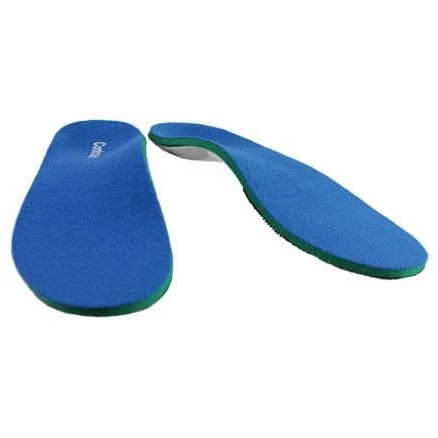
· Synthetic Athletic Insoles & Orthotics
Performance RX Orthotics, M 7-7.5, W 9-9.5
Limited PFAS risk likely, but no brand transparency available.
These orthotics use foam and fabric without typical PFAS triggers like waterproofing or stain treatment. The brand provides no PFAS information.
Still want this one anyway? Check the price on Amazon. We’d swap it.
Material
Foam, fabric blend orthotics
Brand disclosure
Brand is silent on PFAS
Lab data
No public lab test
You may also be interested in
Top-graded picks in the categories readers replace first, every one scored on the same rubric.

- polypropylene filter housing, carbon/sediment cartridge
- We found no PFAS statement from the brand
- Bacterial growth in spent cartridges
3 hazards checked on this product, all on its full breakdown.

Aquasure
Premier Series 75 GPD Under Sink Reverse Osmosis Water Filtration System
- RO membrane, carbon filters, stainless steel housing
- We found no PFAS statement from the brand
- Bacterial and microbial growth in housing and filters
4 hazards checked on this product, all on its full breakdown.

Avocado
Vegan Mattress
- organic cotton, natural latex, coconut coir, recycled steel coils
- The brand calls it PFAS-free, which we have not verified
- Heavy metals
2 hazards checked on this product, all on its full breakdown.
What Performance RX Orthotics, M 7-7.5, W 9-9.5 is made of, ingredients and materials
Performance RX orthotics combine foam (likely polyurethane or EVA) with a fabric blend upper. Foam provides cushioning but can off-gas volatile organic compounds during manufacturing and initial use. The fabric blend composition is not specified by the brand, making it unclear whether synthetic fibers (polyester, nylon) contain flame retardants or azo dyes, or if natural fibers are treated with formaldehyde-based finishing resins common in the footwear industry.
What’s concerning
Category baseline
The starting point for this type of product, before anything specific to this product is counted.
No PFAS disclosure
No public statement from the brand about PFAS in this product.
Formaldehyde / VOCs
Fabric blends in budget orthotics often use formaldehyde-based resins for wrinkle resistance, water repellency, or dye fixation. The brand does not disclose finishing chemistry, so presence cannot be ruled out. Skin contact risk is low for feet, but sensitivity in individuals with formaldehyde contact dermatitis or respiratory sensitivity should prompt hand-washing before initial wear.
Source, ATSDR ↗Azo dyes in synthetic fibers
If the fabric blend contains polyester or nylon without certification, synthetic dyes may include restricted azo compounds banned in Europe but less regulated in some US-market footwear. No specific color or dye list is available from the brand. Risk is primarily from manufacturing exposure rather than end-user contact, but sensitive individuals may experience irritation.
VOC off-gassing from foam
Polyurethane and EVA foams commonly off-gas formaldehyde, toluene, and other volatile organics during the first few days to weeks of use. This is well-documented in the foam industry and typically diminishes with airing. Enclosed footwear accelerates this; performance orthotics are worn in shoes, concentrating vapor exposure.
Microplastic shedding from degraded foam
Over 12-18 months, foam breaks down under compression and moisture, releasing microparticles into socks and shoes. This is not unique to the brand but inherent to foam orthotics; accelerated by heat or sweat. No hazard to feet themselves, but microplastic accumulation in laundry and environment is a growing concern.
What’s reassuring
Base material not linked to PFAS
The main material recorded for this product is not one associated with PFAS.
Antimony in polyester fibers
If the fabric blend includes polyester, antimony trioxide catalyst residue is possible but typically minimal in consumer textiles. No specific warnings exist for this product or brand. Risk is considered negligible for dermal contact on foot skin.
How is this PFAS grade calculated?
The brand's record and disclosure
The brand has no publicly documented third-party certifications (such as Oeko-Tex or similar standards) for this product line or transparency reports on material sourcing. The brand does not appear to have issued public statements on PFAS use in footwear, flame retardant policies, or chemical restrictions. No major safety recalls or regulatory actions are on record for this specific model, but the lack of proactive disclosure suggests limited chemical transparency across the product.
How it compares in its category
Orthotics in the mass-market segment typically use foam and synthetic blends without premium certifications; Performance RX is standard for this tier. Certified alternatives (Oeko-Tex or GOTS-certified orthotics) exist but at higher price points and with transparent material lists. The brand's lack of disclosure places it in the lower-transparency bracket of the category, where chemical content must be inferred from material class rather than brand assurance.
If you buy it
Air out new orthotics in a well-ventilated space for 24-48 hours to allow any initial off-gassing to dissipate. Avoid prolonged heat exposure (do not machine-wash or dry in high heat; hand-wash only) to minimize foam degradation and release of volatile compounds. Replace every 12-18 months or when foam begins to compress unevenly, as breakdown increases microparticle shedding. Store in a cool, dry place and inspect regularly for fabric fraying or foam deterioration.
What is not known about PFAS in this product?
- Basis
- Model estimate, 72% confidence, not a lab result
- Lab test
- None on record for this exact product
- Brand statement
- has made none
Formulations change between production runs, so check the current label. How we grade.
More synthetic athletic insoles & orthotics grades
How we score, every product runs through the same public 0-100 rubric based on materials, coatings, brand disclosure, lab findings, and recalls. See the full methodology → Spotted a mistake? Report an error.