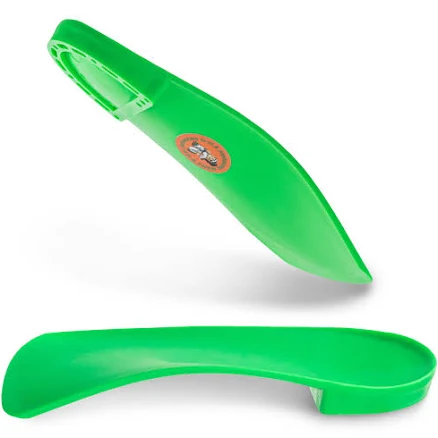
Samurai Insoles · Synthetic Athletic Insoles & Orthotics
Samurai Insoles Shogun Plantar Fasciitis Relief
Lower PFAS concern. Insole foam typically avoids PFAS, verify materials.
These insoles use foam cushioning unlikely to hold PFAS. The brand hasn't disclosed treatment or makeup details. Standard foam insoles pose lower PFAS risk than water-resistant fabrics or coated products.
Still want this one anyway? Check the price on Amazon. We’d swap it.
Material
foam cushioning, likely EVA or polyurethane
Brand disclosure
Brand is silent on PFAS
Lab data
No public lab test
You may also be interested in
Top-graded picks in the categories readers replace first, every one scored on the same rubric.

- polypropylene filter housing, carbon/sediment cartridge
- We found no PFAS statement from the brand
- Bacterial growth in spent cartridges
3 hazards checked on this product, all on its full breakdown.

Aquasure
Premier Series 75 GPD Under Sink Reverse Osmosis Water Filtration System
- RO membrane, carbon filters, stainless steel housing
- We found no PFAS statement from the brand
- Bacterial and microbial growth in housing and filters
4 hazards checked on this product, all on its full breakdown.

Avocado
Vegan Mattress
- organic cotton, natural latex, coconut coir, recycled steel coils
- The brand calls it PFAS-free, which we have not verified
- Heavy metals
2 hazards checked on this product, all on its full breakdown.
What Samurai Insoles Shogun Fasciitis Relief is made of, ingredients and materials
Samurai Insoles Shogun uses foam cushioning, almost certainly EVA (ethylene-vinyl acetate) or polyurethane, both common in athletic insoles. EVA is more chemically stable and less prone to leaching than polyurethane, which can off-gas volatile organic compounds (VOCs) during manufacturing and early use. The cushioning material sits directly against skin and sock fabric for hours daily, so material purity matters for dermal contact. No public specification sheet from Samson confirms the exact polymer type, which is a minor transparency gap.
What’s concerning
Category baseline
The starting point for this type of product, before anything specific to this product is counted.
No PFAS disclosure
No public statement from the brand about PFAS in this product.
VOC off-gassing from foam (polyurethane concern)
If the insoles use polyurethane rather than EVA, they may emit volatile organic compounds during first weeks of use, especially in warm environments. Samson does not publish material specifications, so the polymer type is unconfirmed. Symptoms would include odor in shoes or respiratory irritation; risk is low given the small volume and external-contact design.
Foam degradation and microparticle shedding
Foam insoles naturally degrade over 6-12 months of use, becoming brittle and crumbly. Worn insoles may shed small foam particles that contact skin or are inhaled. This is not a chemical toxicity issue but a physical wear pattern; replacement is the primary control.
Antimony in polyester or elastic components
If the insole top cover (facing) includes polyester or elastic binding, antimony catalysts may be present as a trace residue. Dermal exposure is minimal for foot insoles, and any antimony leaching would be negligible. No recalls or complaints are recorded for this product.
What’s reassuring
Base material not linked to PFAS
The main material recorded for this product is not one associated with PFAS.
Formaldehyde / VOCs
No evidence of formaldehyde-releasing adhesives in budget insole products; however, Samson's lack of disclosure means this cannot be fully ruled out. Dermal contact risk would be low if present, since adhesives are internal or foot-facing rather than skin-contact surfaces.
Source, ATSDR ↗Heavy metals
Insole foam is typically undyed or uses colorants integrated into the polymer; minimal risk of azo dyes or heavy metals. Color-stabilizing additives in the foam base material are possible but not documented as a concern in this product category.
Source, FDA ↗How is this PFAS grade calculated?
The brand's record and disclosure
Samson maintains minimal public disclosure about material sourcing, certifications, or chemical testing for this product line. No voluntary third-party certifications (such as OEKO-TEX or similar textile safety standards) are advertised. No recall history or safety incidents are documented in public databases. The brand's silence on PFAS and broader chemical safety is typical for the insole market, but represents a gap in consumer transparency rather than evidence of harm.
How it compares in its category
Plantar fasciitis insoles are a lower-risk product category compared to footwear uppers or dyed textiles, since the foam core is not dyed or chemically treated for durability or color. Most competitors (Superfeet, Powerstep, Vionic) similarly avoid extensive public chemical disclosure. Samurai's positioning as a value brand means fewer likely luxury coatings or additives, but also less certifications than premium alternatives. The main differentiator is expected durability and whether the foam degrades quickly, releasing particles.
If you buy it
Store insoles in a cool, dry place away from direct heat or sunlight to slow foam oxidation and off-gassing. Inspect monthly for cracking, compression, or flaking; replace if the top surface becomes sticky, discolored, or sheds particles, as this signals polymer breakdown. Wash with lukewarm water and mild soap if needed; avoid hot water or harsh solvents that can accelerate degradation. Plan replacement every 6-12 months depending on activity level and visible wear, as old foam loses support and may shed microparticles.
What is not known about PFAS in this product?
- Basis
- Model estimate, 72% confidence, not a lab result
- Lab test
- None on record for this exact product
- Brand statement
- Samurai Insoles has made none
Formulations change between production runs, so check the current label. How we grade.
More synthetic athletic insoles & orthotics grades
How we score, every product runs through the same public 0-100 rubric based on materials, coatings, brand disclosure, lab findings, and recalls. See the full methodology → Spotted a mistake? Report an error.