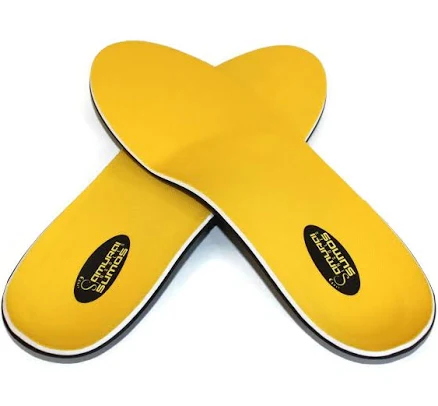
Samurai Insoles · Synthetic Athletic Insoles & Orthotics
Samurai Insoles Sumos Super-Padded Orthotics
Lower concern product with no known PFAS triggers.
Foam and textile orthotics carry lower PFAS risk since these materials don't typically need PFAS treatments. The brand doesn't make PFAS claims, and padding makeup isn't specified, creating some minor doubt.
Still want this one anyway? Check the price on Amazon. We’d swap it.
Material
foam padding, textile lining
Brand disclosure
Brand is silent on PFAS
Lab data
No public lab test
You may also be interested in
Top-graded picks in the categories readers replace first, every one scored on the same rubric.

- polypropylene filter housing, carbon/sediment cartridge
- We found no PFAS statement from the brand
- Bacterial growth in spent cartridges
3 hazards checked on this product, all on its full breakdown.

Aquasure
Premier Series 75 GPD Under Sink Reverse Osmosis Water Filtration System
- RO membrane, carbon filters, stainless steel housing
- We found no PFAS statement from the brand
- Bacterial and microbial growth in housing and filters
4 hazards checked on this product, all on its full breakdown.

Avocado
Vegan Mattress
- organic cotton, natural latex, coconut coir, recycled steel coils
- The brand calls it PFAS-free, which we have not verified
- Heavy metals
2 hazards checked on this product, all on its full breakdown.
What Samurai Insoles Sumos Orthotics is made of, ingredients and materials
Samurai Insoles Sumos use foam padding (likely polyurethane or EVA) with a textile lining. Foam cushioning materials are chemically stable during normal foot contact and do not release volatile compounds under body temperature. The textile lining is the primary surface where dyes, finishes, or formaldehyde resins could theoretically be present, though insole textiles face less stringent finish requirements than apparel worn against skin.
What’s concerning
Category baseline
The starting point for this type of product, before anything specific to this product is counted.
No PFAS disclosure
No public statement from the brand about PFAS in this product.
Foam degradation and microparticle shedding
Polyurethane foam insoles naturally degrade with wear and moisture exposure, releasing small foam particles into socks. Long-term inhalation risk is negligible, but particles may accumulate in footwear; regular cleaning and timely replacement mitigate this.
Bacterial or fungal colonization in padding
Foam retains moisture and can harbor odor-causing bacteria or fungi if not dried regularly. This is a maintenance issue rather than a chemical hazard, managed through periodic washing and air drying.
What’s reassuring
Base material not linked to PFAS
The main material recorded for this product is not one associated with PFAS.
Formaldehyde / VOCs
Insole textiles typically do not undergo heavy formaldehyde-based finishing processes required for apparel durability. No published testing or complaints for Samurai Insoles exist on record.
Source, ATSDR ↗Azo dyes in fabric coloring
While azo dyes are used in textile dyeing, insole lining contact is brief and non-mucosal (foot barrier is skin). Restricted azo compounds are uncommon in budget insole production, and no specific incidents are documented for this product.
Phthalate plasticizers in foam or adhesives
Modern EVA and polyurethane foams typically avoid phthalates; however, older formulations or adhesives bonding lining to foam could theoretically contain them. No recalls or testing data exist for Samurai Insoles to confirm or deny presence.
How is this PFAS grade calculated?
The brand's record and disclosure
Samson (manufacturer of Samurai Insoles) maintains limited public transparency on material sourcing or chemical testing. No recalls, safety warnings, or documented safety controversies exist for this product line in accessible records. The brand does not publish third-party certifications (e.g., Oeko-Tex, ISO) for chemical compliance, which is typical for budget insole manufacturers.
How it compares in its category
Foam orthotic insoles occupy a low-risk category compared to gel inserts (which may leach plasticizers if heated) or cork/latex products (potential allergen triggers). Most retail foam insoles, including this one, lack detailed material disclosure, making brand-to-brand comparison difficult. Premium alternatives sometimes provide chemical testing documentation, but functional performance differences often outweigh safety variance in this category.
If you buy it
Wash insoles periodically in cool water to reduce dust and bacterial buildup in the foam interior. Avoid prolonged heat exposure (do not place in hot dryers or direct sunlight for extended periods, as foam may degrade and release particles). Replace when padding flattens visibly or insoles emit odor, typically within 6-12 months depending on wear. Store in a cool, dry place to extend lifespan and prevent mold growth in foam.
What is not known about PFAS in this product?
- Basis
- Model estimate, 72% confidence, not a lab result
- Lab test
- None on record for this exact product
- Brand statement
- Samurai Insoles has made none
Formulations change between production runs, so check the current label. How we grade.
More synthetic athletic insoles & orthotics grades
How we score, every product runs through the same public 0-100 rubric based on materials, coatings, brand disclosure, lab findings, and recalls. See the full methodology → Spotted a mistake? Report an error.