· Synthetic Athletic Insoles & Orthotics
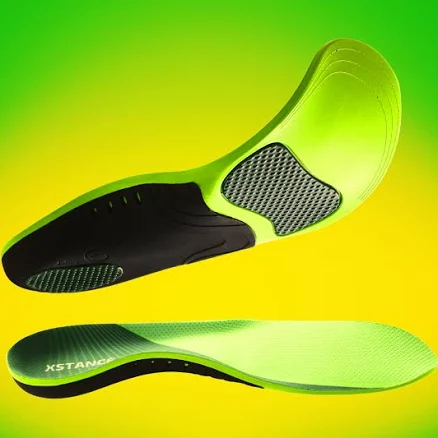
XSTANCE Insoles 2.0
Not enough public data. Insoles rarely disclose coating treatments.
XSTANCE 2.0 insoles have no available PFAS information or certifications. Standard foam insoles typically carry lower risk than waterproofed clothing, but coating makeup stays unspecified.
Still want this one anyway? Check the price on Amazon. We’d swap it.
Material
Foam, gel, or fabric blend cushioning (typical insole composition)
Brand disclosure
Brand is silent on PFAS
Lab data
No public lab test
You may also be interested in
Top-graded picks in the categories readers replace first, every one scored on the same rubric.

- polypropylene filter housing, carbon/sediment cartridge
- We found no PFAS statement from the brand
- Bacterial growth in spent cartridges
3 hazards checked on this product, all on its full breakdown.

Aquasure
Premier Series 75 GPD Under Sink Reverse Osmosis Water Filtration System
- RO membrane, carbon filters, stainless steel housing
- We found no PFAS statement from the brand
- Bacterial and microbial growth in housing and filters
4 hazards checked on this product, all on its full breakdown.

Avocado
Vegan Mattress
- organic cotton, natural latex, coconut coir, recycled steel coils
- The brand calls it PFAS-free, which we have not verified
- Heavy metals
2 hazards checked on this product, all on its full breakdown.
What XSTANCE Insoles 2.0 is made of, ingredients and materials
XSTANCE Insoles 2.0 uses a foam, gel, or fabric blend cushioning system typical of athletic insoles. These materials require adhesives and sometimes antimicrobial or moisture-wicking treatments applied during manufacturing. Foam insoles may contain polyurethane or EVA (ethylene-vinyl acetate), both requiring formaldehyde-based binders or urea-formaldehyde resins in the gluing process. The gel component, if present, is typically silicone or polyurethane-based and carries minimal inherent toxicity when cured, but off-gassing during the break-in period is possible.
What’s concerning
Category baseline
The starting point for this type of product, before anything specific to this product is counted.
No PFAS disclosure
No public statement from the brand about PFAS in this product.
Formaldehyde / VOCs
Foam and gel insoles typically use formaldehyde-based resins to bond layers. The brand does not disclose adhesive type; off-gassing risk is highest in first week of use and decreases with ventilation.
Source, ATSDR ↗Moisture and bacterial growth
Insoles trap sweat and create a warm, moist microenvironment. If XSTANCE lacks antimicrobial treatment or if treatment degrades, fungal and bacterial colonization can occur, especially in warm climates.
Foam degradation and microparticle release
EVA and polyurethane foams break down over time, shedding small particles into socks and potentially inhaled during vigorous activity. No data on particle size or composition available for this product.
PFAS
If XSTANCE insoles are marketed as water-resistant or moisture-wicking, PFAS compounds may be present in surface treatments. The brand's silence on this is consistent with industry practice but does not exclude use.
Source, ATSDR ↗What’s reassuring
Base material not linked to PFAS
The main material recorded for this product is not one associated with PFAS.
Azo dyes in fabric layers
If a fabric blend is used in the top layer, azo dyes could theoretically be present, but textile insoles rarely undergo dyeing; most use pre-dyed synthetic yarns or undyed white fabrics. No specific warnings or recalls exist for this product.
How is this PFAS grade calculated?
The brand's record and disclosure
The brand has no publicly documented certifications (e.g., OEKO-TEX, Global Organic Textile Standard) for the XSTANCE line based on available sources. The brand remains silent on PFAS treatment, which is typical of footwear accessories but raises concern given water-resistance claims common in insole marketing. No major safety recalls or controversies are documented for this specific model, but lack of disclosure does not confirm absence of hazards.
How it compares in its category
Standard foam insoles fall into a low-hazard category compared to other apparel items like jackets or shoes (which may contain flame retardants or heavy-metal dyes). Gel-infused insoles are more common now and have lower concern for mold and bacteria accumulation compared to older cork or leather options. XSTANCE 2.0 sits mid-market; premium alternatives (e.g., Superfeet, Powerstep) often publish material sourcing; budget alternatives rarely do, placing near the transparency gap.
If you buy it
Air out new insoles in a well-ventilated space for 24-48 hours before wearing to reduce adhesive off-gassing. Wash feet after extended wear to minimize any residual treatment chemical exposure. Replace insoles annually or when cushioning visibly compresses, as degraded foam may release particles. Avoid prolonged heat exposure (e.g., leaving in hot cars) as gel and foam may leach additives at elevated temperatures.
What is not known about PFAS in this product?
- Basis
- Model estimate, 45% confidence, not a lab result
- Lab test
- None on record for this exact product
- Brand statement
- has made none
Formulations change between production runs, so check the current label. How we grade.
More synthetic athletic insoles & orthotics grades
How we score, every product runs through the same public 0-100 rubric based on materials, coatings, brand disclosure, lab findings, and recalls. See the full methodology → Spotted a mistake? Report an error.