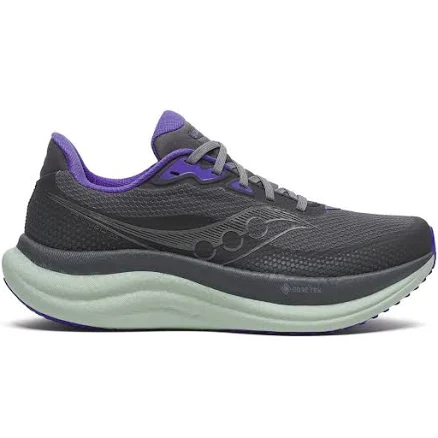
Saucony · Running & Athletic Shoes
Women's Running Shoes Saucony Triumph 23 GTX
GTX membrane raises PFAS concern; Saucony silent on treatment.
Gore-Tex GTX waterproofing typically contains PFOA or PFAS alternatives. Saucony discloses no PFAS policy or testing. Moderate caution warranted for water-resistant athletic shoes.
Still want this one anyway? Check the price on Amazon. We’d swap it.
Material
textile upper with Gore-Tex GTX waterproof membrane
Brand disclosure
Brand is silent on PFAS
Lab data
No public lab test
You may also be interested in
Top-graded picks in the categories readers replace first, every one scored on the same rubric.

- polypropylene filter housing, carbon/sediment cartridge
- We found no PFAS statement from the brand
- Bacterial growth in spent cartridges
3 hazards checked on this product, all on its full breakdown.

Aquasure
Premier Series 75 GPD Under Sink Reverse Osmosis Water Filtration System
- RO membrane, carbon filters, stainless steel housing
- We found no PFAS statement from the brand
- Bacterial and microbial growth in housing and filters
4 hazards checked on this product, all on its full breakdown.

Avocado
Vegan Mattress
- organic cotton, natural latex, coconut coir, recycled steel coils
- The brand calls it PFAS-free, which we have not verified
- Heavy metals
2 hazards checked on this product, all on its full breakdown.
What Women's Running Shoes Saucony Triumph GTX is made of, ingredients and materials
The Triumph 23 GTX upper is a textile blend (typically polyester, nylon, or mixed synthetics) bonded to a Gore-Tex waterproof membrane. Gore-Tex achieves water resistance via Teflon-type coating microstructure and historically relied on fluorinated chemistry (PFOA/PFOS precursors or alternatives) in manufacturing, though modern Gore-Tex formulations vary. The textile itself may be treated with dyes (including azo dyes) and finishing resins that can contain formaldehyde or other volatile agents. Rubber midsoles and outsoles introduce additional material complexity but carry lower documented hazard load in this shoe class.
What’s concerning
Waterproof / stain-resistant treatment
Water-repellent coating treatments have historically used PFAS.
Category baseline
The starting point for this type of product, before anything specific to this product is counted.
No PFAS disclosure
No public statement from the brand about PFAS in this product.
Formaldehyde / VOCs
Synthetic textile uppers commonly receive formaldehyde-releasing finishes for wrinkle resistance, water repellency, or dye fixation. Saucony does not disclose finish chemistry for the Triumph 23. Risk is higher if shoe is worn without pre-washing.
Source, ATSDR ↗Azo dyes in colored textiles
Nylon and polyester uppers are often dyed with azo compounds, which can release aromatic amines if degraded by sweat or heat. No brand-specific testing data is available; EU regulations restrict certain azo dyes, but compliance is not confirmed for this model.
Volatile organic compounds (VOC) off-gassing
Adhesives, dyes, and synthetic material volatiles are typical in new shoes. Odor and VOC emissions usually decline within days to weeks of air exposure. No specific VOC profile is published for the Triumph 23.
Gore-Tex membrane durability and delamination
Gore-Tex membranes can delaminate from the textile substrate over time, especially with heat or harsh washing. This is not a chemical hazard but reduces waterproofing function and may prompt premature replacement.
What’s reassuring
Antimony in polyester components
Antimony is used as a catalyst in polyester production. Leaching from worn shoe textiles is not a documented pathway of concern for footwear, and no brand-specific data on antimony content in the Triumph 23 is available.
How is this PFAS grade calculated?
The brand's record and disclosure
Saucony (owned by Wolverine World Wide) has not published specific PFAS content declarations or phase-out timelines for Gore-Tex footwear lines, despite public pressure on PFAS in footwear and apparel across the industry. The brand does not prominently disclose formaldehyde or azo-dye testing results for individual shoe models. Wolverine has made general sustainability commitments but these do not transparently address PFAS or textile chemical hazards in the Triumph line. No major recalls or documented chemical safety incidents specific to this model are on record.
How it compares in its category
Women's running shoes with Gore-Tex membranes are standard in premium cushioned models (Saucony, Brooks, ASICS, Salomon, Merrell). Nearly all Gore-Tex shoes carry the same membrane-linked PFAS uncertainty unless the brand explicitly certifies PFOS/PFOA absence or uses PFAS-free waterproofing (rare in running shoes). Non-waterproof textile running shoes (standard uppers without GTX) eliminate the Gore-Tex PFAS pathway but may still carry azo dyes and formaldehyde finishes. Wool or cotton-blend alternatives are marginal in this performance category and not standard Saucony offerings.
If you buy it
Wash shoes separately before first wear and periodically thereafter (cold water, mild detergent) to reduce loose dyes and finishes. Avoid machine drying or heat exposure, as textiles and membranes degrade when heated. Replace the shoe when cushioning fails or upper stitching tears; Gore-Tex membranes do not require re-coating but cannot be restored once compromised. Store in a cool, dry place to slow off-gassing of volatile finishes. If waterproofing diminishes (water seeping through seams or fabric), the membrane has likely delaminated and the shoe should be retired.
What is not known about PFAS in this product?
- Basis
- Model estimate, 45% confidence, not a lab result
- Lab test
- None on record for this exact product
- Brand statement
- Saucony has made none
Formulations change between production runs, so check the current label. How we grade.
What are the PFAS-free alternatives to Women's Running Shoes Saucony Triumph 23 GTX?
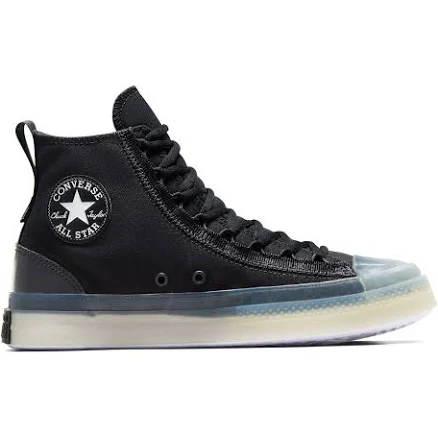
- Canvas upper, rubber sole
- We found no PFAS statement from the brand
- Azo dyes in canvas
2 hazards checked on this product, all on its full breakdown.
Find an alternative on Amazon
- Canvas, rubber sole
- We found no PFAS statement from the brand
- Azo dyes and synthetic dyes
4 hazards checked on this product, all on its full breakdown.
Find an alternative on Amazon
- Mesh upper, Fresh Foam midsole, rubber outsole
- We found no PFAS statement from the brand
- Azo dyes and color-based toxins
2 hazards checked on this product, all on its full breakdown.
Find an alternative on AmazonMore running & athletic shoes grades
How we score, every product runs through the same public 0-100 rubric based on materials, coatings, brand disclosure, lab findings, and recalls. See the full methodology → Spotted a mistake? Report an error.