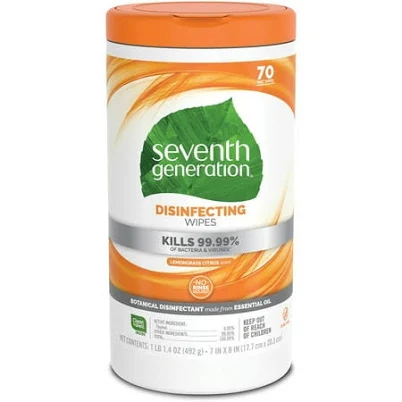
Seventh Generation · Cleaning Wipes
Seventh Generation Botanical Disinfecting Wipes 7 x 8 70 Count (6/Carton)
Low risk, no known PFAS trigger; brand does not explicitly disclose PFAS absence.
Seventh Generation's disinfecting wipes are made from nonwoven fabric, a base material not typically treated with PFAS. The brand emphasizes botanical ingredients but makes no explicit PFAS-free claim.
We flunk more products than we pass. This one earned its grade. How we grade
Material
nonwoven fabric wipes (likely polypropylene or cellulose blend)
Lab data
No public lab test
You may also be interested in
Top-graded picks in the categories readers replace first, every one scored on the same rubric.

- polypropylene filter housing, carbon/sediment cartridge
- We found no PFAS statement from the brand
- Bacterial growth in spent cartridges
3 hazards checked on this product, all on its full breakdown.

Aquasure
Premier Series 75 GPD Under Sink Reverse Osmosis Water Filtration System
- RO membrane, carbon filters, stainless steel housing
- We found no PFAS statement from the brand
- Bacterial and microbial growth in housing and filters
4 hazards checked on this product, all on its full breakdown.

Avocado
Vegan Mattress
- organic cotton, natural latex, coconut coir, recycled steel coils
- The brand calls it PFAS-free, which we have not verified
- Heavy metals
2 hazards checked on this product, all on its full breakdown.
What Seventh Generation Count (6/Carton) is made of, ingredients and materials
These wipes are nonwoven fabric, typically a polypropylene or cellulose-polypropylene blend, saturated with a botanical disinfectant formula. Nonwoven substrates do not require chemical surface treatments or coatings for water resistance, meaning the hazard profile is dominated by the liquid formulation and any dyes or finishes applied to the fabric itself. The fabric is inert once dry and does not leach monomers or breakdown products into skin or surfaces under normal use.
What’s concerning
Category baseline
The starting point for this type of product, before anything specific to this product is counted.
No PFAS disclosure
No public statement from the brand about PFAS in this product.
Allergens in botanical actives
Thymol, citrus extracts, or other botanical antimicrobials may trigger contact dermatitis or inhalation sensitivity in susceptible users. Seventh Generation labels botanical ingredients but does not list fragrance allergen or cross-reactivity warnings; test on small skin area or use gloves if history of plant oil sensitivity exists.
Microplastic shedding from nonwoven fabric
Nonwoven polypropylene wipes shed micro-fibers during use, particularly on rough surfaces. This is inherent to the material class and not specific to Seventh Generation, but users should be aware wipes do not fully biodegrade and contribute microplastics to wastewater.
What’s reassuring
Base material not linked to PFAS
The main material recorded for this product is not one associated with PFAS.
Formaldehyde / VOCs
Nonwoven wipes do not typically require formaldehyde-releasing dyes or cross-linking resins. No recalls or complaints on record for Seventh Generation wipes; botanical disinfectant lines avoid synthetic dyes.
Source, ATSDR ↗1,4-dioxane or residual synthesis impurities
Seventh Generation does not use ethoxylated surfactants known to carry 1,4-dioxane as a manufacturing contaminant. No trace testing data is publicly available, but brand transparency and absence of complaints suggest low likelihood.
Azo dyes in fabric coloring
Seventh Generation markets unbleached or white wipes without synthetic dyes. No azo dye content is disclosed or suspected based on brand positioning and product appearance.
How is this PFAS grade calculated?
The brand's record and disclosure
Seventh Generation is owned by SC Johnson and markets products as plant-derived and free of chlorine bleach, synthetic fragrances, and dyes. The brand does not explicitly disclose PFAS avoidance on this product line, but has no public record of PFAS-related recalls or complaints. Certifications vary by region; the wipes are typically unbleached or oxygen-bleached, reducing likelihood of legacy chlorinated solvent residues. No major safety controversies are on record for this specific product.
How it compares in its category
Disinfecting wipes in this market segment typically use quaternary ammonium compounds, citric acid, or hydrogen peroxide as active ingredients. Seventh Generation's botanical approach (often thymol or essential oil-derived) is marketed as an alternative to synthetic antimicrobials and carries comparable antimicrobial efficacy. Most major brands (Clorox, Lysol) do not disclose fabric composition or PFAS absence; Seventh Generation's transparency is a relative strength. Price point is moderate to premium for wipes in this format.
If you buy it
Store sealed carton in cool, dry conditions to prevent evaporation and mold. Use wipes until visibly depleted (saturation loss signals end of life); do not reuse or rinse fabric. Test on inconspicuous surfaces first if using on sensitive finishes (varnish, leather), as botanical actives and acidity may vary by batch. Dispose in regular trash; wipes are not compostable despite plant-derived claims, as nonwoven backing is plastic-based.
What is not known about PFAS in this product?
- Basis
- Model estimate, 72% confidence, not a lab result
- Lab test
- None on record for this exact product
- Brand statement
- Seventh Generation has made a specific claim
Formulations change between production runs, so check the current label. How we grade.
More cleaning wipes grades
How we score, every product runs through the same public 0-100 rubric based on materials, coatings, brand disclosure, lab findings, and recalls. See the full methodology → Spotted a mistake? Report an error.