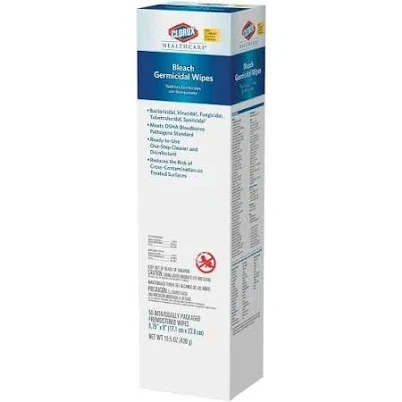
Clorox Bleach Disinfecting Wipes - (300) Individually Wrapped Wipes (31424)
Low concern for typical use, but Clorox hasn't disclosed PFAS status.
Cellulose and polypropylene nonwovens with bleach aren't typically associated with PFAS, yet Clorox doesn't disclose whether water-resistant coatings contain any PFAS compounds. No independent testing exists for this specific product.
We flunk more products than we pass. This one earned its grade. How we grade
Material
Nonwoven wipe (cellulose/polypropylene blend); active ingredient sodium hypochlorite
Lab data
No public lab test
You may also be interested in
Top-graded picks in the categories readers replace first, every one scored on the same rubric.

- polypropylene filter housing, carbon/sediment cartridge
- We found no PFAS statement from the brand
- Bacterial growth in spent cartridges
3 hazards checked on this product, all on its full breakdown.

Aquasure
Premier Series 75 GPD Under Sink Reverse Osmosis Water Filtration System
- RO membrane, carbon filters, stainless steel housing
- We found no PFAS statement from the brand
- Bacterial and microbial growth in housing and filters
4 hazards checked on this product, all on its full breakdown.

Avocado
Vegan Mattress
- organic cotton, natural latex, coconut coir, recycled steel coils
- The brand calls it PFAS-free, which we have not verified
- Heavy metals
2 hazards checked on this product, all on its full breakdown.
What Clorox Bleach Disinfecting Wipes (31424) is made of, ingredients and materials
These wipes are a nonwoven blend of cellulose and polypropylene saturated with sodium hypochlorite (bleach) solution. The substrate itself is inert once dried; the hazard profile is dominated by the active bleach ingredient, not the carrier material. The individually wrapped format minimizes volatile loss and degradation during storage, which maintains disinfectant efficacy and reduces user exposure to degradation byproducts.
What’s concerning
Category baseline
The starting point for this type of product, before anything specific to this product is counted.
No PFAS disclosure
No public statement from the brand about PFAS in this product.
Skin and eye irritation from sodium hypochlorite
Sodium hypochlorite (0.5-8% in typical disinfectant wipes) is a known skin and mucous membrane irritant. Direct contact or splash injury is the primary concern; incidental skin exposure during normal use is low-risk if hands are washed afterward.
Respiratory irritation from bleach vapor
Chlorine gas can be released from sodium hypochlorite, especially in warm or poorly ventilated spaces. This is a labeling-recognized hazard; typical consumer use involves brief exposure with low concentrations in ambient air unless the product is misused in enclosed spaces.
Chemical incompatibility hazards
Mixing with ammonia or acid-based cleaners produces toxic chloramine or chlorine gas. This is a use-error hazard, not a material defect, but the risk is significant enough to warrant prominent labeling and consumer awareness.
Surface corrosion from hypochlorite exposure
Prolonged or repeated contact with certain metals (aluminum, copper, some stainless steel finishes) can cause etching, discoloration, or material degradation. This is not a direct health hazard but indicates chemical reactivity; not relevant to the user unless they have specific surface sensitivity.
What’s reassuring
Base material not linked to PFAS
The main material recorded for this product is not one associated with PFAS.
Microplastic or fiber shedding from nonwoven substrate
Nonwoven cellulose-polypropylene blends are not known to shed microplastics during typical wiping use. The wipes are designed to disintegrate or be discarded after single use, minimizing environmental persistence; no published data suggests inhalation or ingestion risk from normal use.
How is this PFAS grade calculated?
The brand's record and disclosure
Clorox is a major EPA-registered disinfectant manufacturer with long product history and compliance with consumer product labeling standards. The company has not publicly disclosed PFAS content for this specific product line, despite growing industry pressure on fluorochemical use in water-resistant wipe formulations. No major recalls or safety violations specific to this product are on public record. Standard bleach safety warnings (skin/eye irritation, respiratory caution) are labeled appropriately.
How it compares in its category
Sodium hypochlorite wipes are among the most straightforward disinfectant products in terms of chemical hazard profile, the active ingredient is not absorbed through skin in typical use, and the wipe substrate poses no known leaching or off-gassing risk. Compared to quaternary ammonium (quat) wipes or phenolic disinfectants, bleach wipes have simpler, shorter ingredient lists and lower systemic toxicity risk. The main differentiation is bleach's corrosivity to certain surfaces and pungent odor.
If you buy it
Use in well-ventilated areas and never mix with other cleaners (especially ammonia-based products, which release toxic chloramine gas). Wear gloves to prevent skin irritation from sodium hypochlorite; wash hands after use. Do not use on aluminum, stainless steel, or copper in high-frequency applications, as bleach can cause etching or corrosion over time. Store in a cool, dry place away from direct sunlight to prevent solution degradation; individual wrapping helps extend shelf life.
What is not known about PFAS in this product?
- Basis
- Model estimate, 55% confidence, not a lab result
- Lab test
- None on record for this exact product
- Brand statement
- Clorox has made a specific claim
Formulations change between production runs, so check the current label. How we grade.
More cleaning wipes grades
How we score, every product runs through the same public 0-100 rubric based on materials, coatings, brand disclosure, lab findings, and recalls. See the full methodology → Spotted a mistake? Report an error.