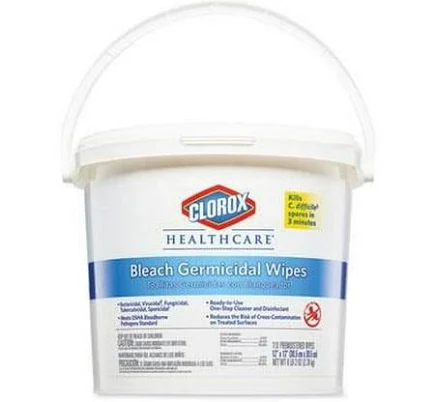
Clorox Bleach Germicidal Wipes 12 x 12
Low concern, bleach wipes skip typical PFAS triggers, though Clorox hasn't disclosed PFAS status.
Nonwoven polypropylene saturated with bleach lacks the water-repellent or nonstick properties that trigger PFAS use. No public PFAS statements or third-party certifications exist.
We flunk more products than we pass. This one earned its grade. How we grade
Material
Nonwoven polypropylene wipe with sodium hypochlorite bleach solution
Lab data
No public lab test
You may also be interested in
Top-graded picks in the categories readers replace first, every one scored on the same rubric.

- polypropylene filter housing, carbon/sediment cartridge
- We found no PFAS statement from the brand
- Bacterial growth in spent cartridges
3 hazards checked on this product, all on its full breakdown.

Aquasure
Premier Series 75 GPD Under Sink Reverse Osmosis Water Filtration System
- RO membrane, carbon filters, stainless steel housing
- We found no PFAS statement from the brand
- Bacterial and microbial growth in housing and filters
4 hazards checked on this product, all on its full breakdown.

Avocado
Vegan Mattress
- organic cotton, natural latex, coconut coir, recycled steel coils
- The brand calls it PFAS-free, which we have not verified
- Heavy metals
2 hazards checked on this product, all on its full breakdown.
What Clorox Bleach Germicidal Wipes 12 x 12 is made of, ingredients and materials
These wipes consist of nonwoven polypropylene fabric saturated with sodium hypochlorite (household bleach) solution, typically around 3-8% active chlorine. Nonwoven polypropylene is an inert thermoplastic polymer with no known heavy metal or phthalate additives in standard formulations. The bleach itself is a fast-degrading disinfectant that breaks down into salt and water after use, leaving minimal chemical residue on surfaces. The wipe substrate itself does not leach into food, skin, or water under normal use because it remains a solid matrix and is discarded immediately after wiping.
What’s concerning
Category baseline
The starting point for this type of product, before anything specific to this product is counted.
No PFAS disclosure
No public statement from the brand about PFAS in this product.
Sodium hypochlorite reactivity and inhalation risk
Bleach vapor exposure during vigorous wiping or in poorly ventilated spaces can irritate respiratory passages and eyes, particularly in users with asthma or reactive airways. This is a hazard of use, not material composition, but relevant to proper handling.
Chemical reaction with ammonia or acids
If wipes are used on surfaces pre-treated with ammonia cleaners or if accidentally mixed with acidic cleaners, toxic chloramine or chlorine dioxide gas can form. This is a documented misuse risk with bleach products generally.
Skin sensitization or irritation from bleach or wipe substrate
Repeated direct contact with bleach solution can cause dermatitis in sensitive individuals; the nonwoven substrate itself is not a known allergen, but the bleach may irritate compromised skin or mucous membranes on prolonged exposure.
What’s reassuring
Base material not linked to PFAS
The main material recorded for this product is not one associated with PFAS.
Nonwoven polypropylene particle shedding
No established reports of microplastic or fiber shedding from standard nonwoven wipes into food or water. These are single-use items discarded after wiping, so dermal or ingestion exposure is negligible if used as directed.
Heavy metals
Sodium hypochlorite solutions produced under EPA-registered disinfectant standards do not require heavy metal testing or disclosure for this product category. No independent findings of lead, cadmium, or other metals in Clorox bleach wipes have been reported.
Source, FDA ↗How is this PFAS grade calculated?
The brand's record and disclosure
Clorox is a major U.S. manufacturer with a long history of bleach-based products and has faced no major recalls or safety findings specific to bleach wipes. The company does not publicly disclose PFAS content in bleach wipes, which is not unusual for this product category since PFAS are rarely used in disposable wipe formulations. Clorox maintains general certifications under EPA standards for disinfectants but does not voluntarily publish third-party safety testing for wipes. No litigation or regulatory action has targeted this specific product for chemical hazards.
How it compares in its category
Bleach wipes are among the most chemically transparent products in the disinfectant category because the active ingredient is a simple, well-understood compound that volatilizes quickly. Compared to quaternary ammonium-based wipes or phenolic cleaners, bleach wipes pose fewer long-term residue concerns on surfaces. Alternative wipes (alcohol-based or hydrogen peroxide) carry similar safety profiles but may leave different residues; bleach-based wipes are generally regarded as lower concern for indoor air quality because sodium hypochlorite does not off-gas significantly after the liquid dries.
If you buy it
Use in well-ventilated areas, especially if wiping large surfaces, to minimize inhalation of chlorine vapor during application. Do not mix with other cleaners (especially ammonia-based products), as this can produce toxic chloramine gas. Store in a cool, dry place with the lid sealed tightly to prevent evaporation and maintain disinfectant potency over the product's shelf life. Check the expiration date before use, as bleach concentration degrades over time and wipes may become less effective after 2-3 years of storage.
What is not known about PFAS in this product?
- Basis
- Model estimate, 72% confidence, not a lab result
- Lab test
- None on record for this exact product
- Brand statement
- Clorox has made a specific claim
Formulations change between production runs, so check the current label. How we grade.
More cleaning wipes grades
How we score, every product runs through the same public 0-100 rubric based on materials, coatings, brand disclosure, lab findings, and recalls. See the full methodology → Spotted a mistake? Report an error.