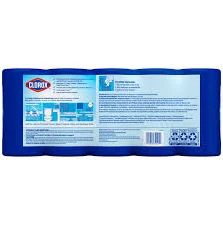
Clorox Disinfecting Wipes 5 x 85 Carton
Low concern, yet Clorox hasn't publicly stated its PFAS position.
These nonwoven cleaning wipes don't require water resistance or stain protection where PFAS belong. Surfactants can sometimes include PFAS-based additives, but it's unconfirmed for this product.
We flunk more products than we pass. This one earned its grade. How we grade
Material
nonwoven fabric wipes (likely polypropylene/polyester blend); active ingredients, sodium hypochlorite, surfactants
Lab data
No public lab test
You may also be interested in
Top-graded picks in the categories readers replace first, every one scored on the same rubric.

- polypropylene filter housing, carbon/sediment cartridge
- We found no PFAS statement from the brand
- Bacterial growth in spent cartridges
3 hazards checked on this product, all on its full breakdown.

Aquasure
Premier Series 75 GPD Under Sink Reverse Osmosis Water Filtration System
- RO membrane, carbon filters, stainless steel housing
- We found no PFAS statement from the brand
- Bacterial and microbial growth in housing and filters
4 hazards checked on this product, all on its full breakdown.

Avocado
Vegan Mattress
- organic cotton, natural latex, coconut coir, recycled steel coils
- The brand calls it PFAS-free, which we have not verified
- Heavy metals
2 hazards checked on this product, all on its full breakdown.
What Clorox Disinfecting Wipes 5 x 85 Carton is made of, ingredients and materials
Clorox Disinfecting Wipes are nonwoven fabric substrates (typically polypropylene or polyester blends) saturated with sodium hypochlorite solution and surfactants. The fabric itself is not heated during use and does not enter the food system, so fabric-specific hazards like formaldehyde resins (common in some textiles) are not relevant here. The active ingredient, sodium hypochlorite, is a regulated disinfectant that degrades rapidly after application and poses minimal residual toxicity at intended use concentrations.
What’s concerning
Category baseline
The starting point for this type of product, before anything specific to this product is counted.
No PFAS disclosure
No public statement from the brand about PFAS in this product.
Sodium hypochlorite irritation (eyes, skin, respiratory)
Clorox Disinfecting Wipes contain sodium hypochlorite at concentrations designed for surface disinfection. Direct skin contact or eye splash can cause irritation; inhalation of vapors in poorly ventilated spaces may cause respiratory irritation. Risk is mitigated by proper use (ventilation, no ingestion, hand washing after use).
Surfactant skin sensitization
Wipes contain surfactants to aid disinfectant spread and cleaning. Some individuals may develop contact dermatitis with repeated or prolonged skin exposure. Formulation details are proprietary, but anionic surfactants used in disinfectant products are generally recognized as low-hazard at rinse-off concentrations.
Microplastic shedding from nonwoven substrate
Nonwoven polypropylene or polyester fibers may shed microfibers during use, particularly if wipes are rubbed aggressively on rough surfaces. Shed fibers are discarded with the wipe and do not directly enter the body, but environmental accumulation from repeated use across households is a low-level concern.
Chemical residues on treated surfaces
If sodium hypochlorite is not fully wiped away from food contact surfaces (cutting boards, countertops), residual disinfectant may remain. Subsequent contact with food is unlikely to cause harm at trace levels, but thorough rinsing after disinfection is recommended for food prep areas.
What’s reassuring
Base material not linked to PFAS
The main material recorded for this product is not one associated with PFAS.
Container leachables (plastic jars/canisters)
Clorox uses polypropylene or PET containers designed for compatibility with sodium hypochlorite solution. No recalls or documented leaching issues are on record for this product line. Standard food-grade plastics are not required here because the product is not consumed.
How is this PFAS grade calculated?
The brand's record and disclosure
Clorox has no publicly documented recalls or safety violations specific to this wipe product line as of available records. The company has not made public statements about PFAS content in wipes, though water-resistance coatings (which might contain PFAS) are not a stated feature of standard disinfecting wipes. Clorox maintains regulatory compliance with EPA, FDA, and consumer product safety standards for disinfectant labeling and ingredients.
How it compares in its category
Disinfecting wipes occupy a distinct risk profile versus similar products, they present lower inhalation concern than bleach concentrates or sprays (wipe form reduces vapor release) but require proper ventilation use like any sodium hypochlorite product. Compared to alcohol-based or quaternary ammonium wipes, Clorox hypochlorite wipes are equally effective and carry similar low systemic toxicity when used as directed. The nonwoven substrate presents no known hazards typical of textiles (azo dyes, flame retardants) because it is not worn and is discarded after use.
If you buy it
Use wipes in well-ventilated areas to avoid inhalation of sodium hypochlorite vapor, especially in enclosed spaces like bathrooms. Do not allow wipes to dry on surfaces; discard after use. Keep container tightly sealed between uses to prevent evaporation and degradation of the active ingredient. Store out of reach of children and pets; sodium hypochlorite can irritate skin and eyes if contact occurs.
What is not known about PFAS in this product?
- Basis
- Model estimate, 45% confidence, not a lab result
- Lab test
- None on record for this exact product
- Brand statement
- Clorox has made a specific claim
Formulations change between production runs, so check the current label. How we grade.
More cleaning wipes grades
How we score, every product runs through the same public 0-100 rubric based on materials, coatings, brand disclosure, lab findings, and recalls. See the full methodology → Spotted a mistake? Report an error.