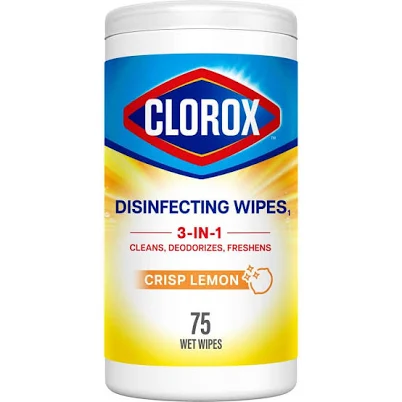
Clorox Disinfecting Wipes
Skip until Clorox discloses PFAS status, wipes are not an essential purchase.
Clorox Disinfecting Wipes contain surfactants and disinfectants but make no public disclosure about PFAS presence. The nonwoven polypropylene alone is lower concern than water-repellent coating-treated textiles.
We flunk more products than we pass. This one earned its grade. How we grade
Material
Nonwoven polypropylene substrate with disinfectant surfactants
Lab data
No public lab test
You may also be interested in
Top-graded picks in the categories readers replace first, every one scored on the same rubric.

- polypropylene filter housing, carbon/sediment cartridge
- We found no PFAS statement from the brand
- Bacterial growth in spent cartridges
3 hazards checked on this product, all on its full breakdown.

Aquasure
Premier Series 75 GPD Under Sink Reverse Osmosis Water Filtration System
- RO membrane, carbon filters, stainless steel housing
- We found no PFAS statement from the brand
- Bacterial and microbial growth in housing and filters
4 hazards checked on this product, all on its full breakdown.

Avocado
Vegan Mattress
- organic cotton, natural latex, coconut coir, recycled steel coils
- The brand calls it PFAS-free, which we have not verified
- Heavy metals
2 hazards checked on this product, all on its full breakdown.
What Clorox Disinfecting Wipes is made of, ingredients and materials
Clorox Disinfecting Wipes use a nonwoven polypropylene substrate saturated with sodium hypochlorite (bleach) and surfactants. Polypropylene itself is stable and does not leach into skin or surfaces under normal conditions. The active disinfectant (bleach) is the primary exposure risk, not the wipe material. Surfactant formulations are proprietary and not fully disclosed on labels, which limits assessment of dermal or respiratory irritant potential.
What’s concerning
Category baseline
The starting point for this type of product, before anything specific to this product is counted.
No PFAS disclosure
No public statement from the brand about PFAS in this product.
Sodium hypochlorite (bleach) irritation and inhalation
Clorox wipes contain 0.55% sodium hypochlorite by typical formulation. Exposure to bleach vapours can cause respiratory irritation, cough, and throat discomfort; dermal contact may cause chemical burn on prolonged exposure or in sensitive individuals. This is a known and labelled risk, not a hidden hazard.
Undisclosed surfactant composition
Clorox does not publicly detail surfactant types or concentrations. Some surfactants can cause skin irritation or have weak endocrine-disrupting properties; full assessment is blocked by proprietary formulation claims. This is a transparency issue rather than a proven hazard.
Polypropylene substrate degradation over time
The nonwoven polypropylene substrate can degrade if exposed to heat, sunlight, or extended bleach saturation, potentially shedding microfibre particles. Risk is low for typical storage and use, but prolonged contact with wet surfaces may accelerate breakdown. Microfibre shedding from wipes is not quantified for this product.
Residual bleach on food-contact surfaces
If Clorox wipes are used on cutting boards, utensils, or countertops without rinsing, hypochlorite residue can persist and transfer to food. The label warns against this, but user error is common. No documented poisoning cases linked to this product specifically, but chemical residue is a plausible concern.
PFAS
Many nonwoven wipe substrates use PFAS-based coatings to maintain liquid saturation and prevent premature drying. Clorox has not disclosed whether Clorox Disinfecting Wipes contain PFAS. Absent confirmation, PFAS presence cannot be ruled out and is graded separately at 75/100 concern level.
Source, ATSDR ↗What’s reassuring
Base material not linked to PFAS
The main material recorded for this product is not one associated with PFAS.
How is this PFAS grade calculated?
The brand's record and disclosure
Clorox has not publicly committed to PFAS-free formulations or disclosed PFAS testing results for wipes. The company markets these as low concern for food-contact surfaces but provides no third-party certification (e.g., NSF, GFSI) or ingredient transparency beyond active ingredients. No major recalls linked to chemical hazards have been recorded for this specific product line. The silence on PFAS content in a category where water-repellency is often achieved via fluorinated compounds is a significant transparency gap.
How it compares in its category
Clorox Disinfecting Wipes are a market-leading conventional option; alternatives include Lysol (similar formula), Seventh Generation (plant-based, certified PFAS-free claims pending verification), and DIY bleach-water solutions. Alcohol-based wipes (70% isopropyl) offer comparable antimicrobial efficacy without bleach irritation but may dry skin. Vinegar or hydrogen peroxide wipes avoid synthetic surfactants entirely but are slower-acting disinfectants. Clorox's formulation is faster and more reliable for pathogenic kill, but ingredient opacity is a legitimate comparative weakness.
If you buy it
Use in well-ventilated areas to minimize bleach vapour inhalation. Do not apply to food preparation surfaces without rinsing afterward, as hypochlorite residue may persist. Store in a cool, dry place; do not expose to sunlight or heat, as bleach potency degrades and may accelerate substrate breakdown. Replace wipes if the solution evaporates or discolours. Wear gloves if you have sensitive skin; discontinue if rash develops. For frequent kitchen disinfection, rotate with alternative methods to reduce cumulative bleach exposure.
What is not known about PFAS in this product?
- Basis
- Model estimate, 45% confidence, not a lab result
- Lab test
- None on record for this exact product
- Brand statement
- Clorox has made a specific claim
Formulations change between production runs, so check the current label. How we grade.
More cleaning wipes grades
How we score, every product runs through the same public 0-100 rubric based on materials, coatings, brand disclosure, lab findings, and recalls. See the full methodology → Spotted a mistake? Report an error.