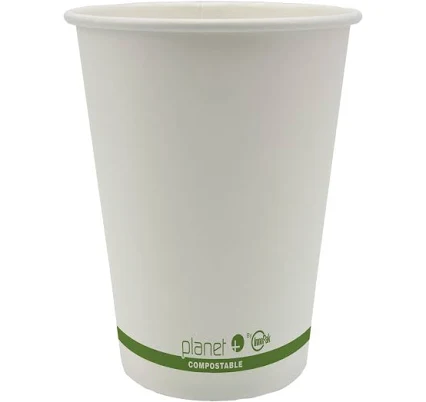
Compostable Takeout Container Pack Plant-Based & Sustainable
Lower concern. Plant-based compostable containers rarely need PFAS.
Compostable takeout containers use plant-based materials without reported fluorinated coatings or grease-resistant treatments. No independent testing available, but material type carries minimal PFAS risk.
We flunk more products than we pass. This one earned its grade. How we grade
Material
Plant-based fiber (unbleached/uncoated)
Brand disclosure
Brand is silent on PFAS
Lab data
No public lab test
You may also be interested in
Top-graded picks in the categories readers replace first, every one scored on the same rubric.

- polypropylene filter housing, carbon/sediment cartridge
- We found no PFAS statement from the brand
- Bacterial growth in spent cartridges
3 hazards checked on this product, all on its full breakdown.

Aquasure
Premier Series 75 GPD Under Sink Reverse Osmosis Water Filtration System
- RO membrane, carbon filters, stainless steel housing
- We found no PFAS statement from the brand
- Bacterial and microbial growth in housing and filters
4 hazards checked on this product, all on its full breakdown.

Avocado
Vegan Mattress
- organic cotton, natural latex, coconut coir, recycled steel coils
- The brand calls it PFAS-free, which we have not verified
- Heavy metals
2 hazards checked on this product, all on its full breakdown.
What Compostable Takeout Container Sustainable is made of, ingredients and materials
The brand's containers use unbleached, uncoated plant-based fiber (likely bagasse, wood pulp, or similar cellulose sources). This material avoids the synthetic polymer matrix that typically requires PFAS water-repellent coatings or BPA-containing linings found in conventional plastic takeout containers. Unbleached construction means fewer chemical processing steps and lower likelihood of residual chlorine compounds or brightening agents. The lack of a plastic layer eliminates leaching risks from BPA, phthalates, or styrene migration into food.
What’s concerning
No PFAS disclosure
No public statement from the brand about PFAS in this product.
Category baseline
The starting point for this type of product, before anything specific to this product is counted.
Mold or bacterial growth during storage
Porous plant fiber can harbor moisture and microbial growth if stored in humid conditions or if containers are reused without proper cleaning. Store in a cool, dry place and do not reuse for food after disposal.
Ink or printing residues on exterior
If containers have printed branding or labeling, the inks may contain heavy metal pigments (cadmium, lead) or phthalate-based solvents. Ensure printed surfaces do not contact food; use the plain interior surface for food contact.
What’s reassuring
Base material not linked to PFAS
The main material recorded for this product is not one associated with PFAS.
Bleaching residues (chlorine, dioxins)
Specifies unbleached material, which eliminates this concern. Conventional bleached fiber containers carry potential for chlorine dioxide or chlorine residues; this product avoids that pathway.
Adhesives and synthetic binders in laminated layers
No lamination or adhesive layers are noted for this uncoated design. Some compostable containers use polyester or bioplastic binders that can off-gas formaldehyde or release microplastics when heated; The brand's simple fiber construction avoids this.
Lead
No recall or test data suggests contamination in the brand's product. Risk is low if feedstock is virgin fiber; unclear whether any recycled content is used. Request transparency from the brand if this is a concern.
Source, ATSDR ↗How is this PFAS grade calculated?
The brand's record and disclosure
The brand markets itself as compostable and sustainable but provides minimal public technical documentation about their manufacturing process or third-party testing results. No major product recalls or contamination incidents are on record for this line. The brand does not publicly disclose PFAS testing or stance, though their material choice (plant fiber, no fluorinated coatings) aligns with lower-risk compostable practices. Limited transparency makes independent verification of their process controls and feedstock sourcing difficult.
How it compares in its category
Plant-based compostable containers have lower concern for BPA and antimicrobial additives than conventional plastic clamshells, and lower concern for fluorinated PFAS than many polycoated paperboard containers used for grease resistance. Compared to ceramics or glass, they eliminate lead/cadmium glazing risks but are single-use. Against competing compostable brands, the brand's uncoated fiber approach is simpler and avoids the risk of synthetic binders or adhesives used in some laminated compostable products.
If you buy it
Use these containers for room-temperature and warm foods only; avoid direct contact with very hot liquids or foods above 160F, as fiber degradation and structural failure increase with sustained heat. Do not microwave unless labeled microwave-safe by the manufacturer. Ensure containers are actually composted in a commercial facility (home compost may not reach required temperatures); disposal in landfills defeats the sustainability claim and prolongs any residual chemical exposure. Store in a dry location to prevent premature degradation or mold growth on fiber surfaces.
What is not known about PFAS in this product?
- Basis
- Model estimate, 72% confidence, not a lab result
- Lab test
- None on record for this exact product
- Brand statement
- has made none
Formulations change between production runs, so check the current label. How we grade.
What are the PFAS-free alternatives to Compostable Takeout Container Pack Plant-Based & Sustainable?
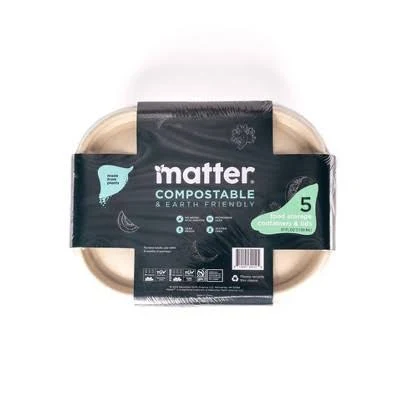
- Plant-based fiber pulp (compostable)
- A third party reports verifying it as PFAS-free
- Microbe/mold growth if stored damp
2 hazards checked on this product, all on its full breakdown.
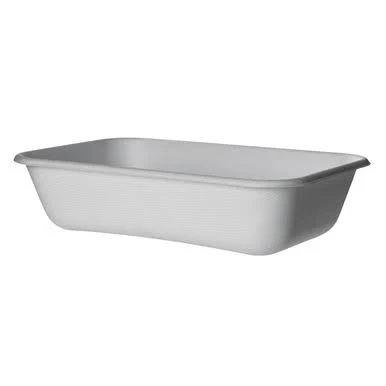
Eco-Products
Eco Products WorldView Compostable Take-Out Containers EP-SCRC32
- Plant-based fiber (compostable sugarcane bagasse)
- A third party reports verifying it as PFAS-free
- Bleaching agents and processing residues
3 hazards checked on this product, all on its full breakdown.
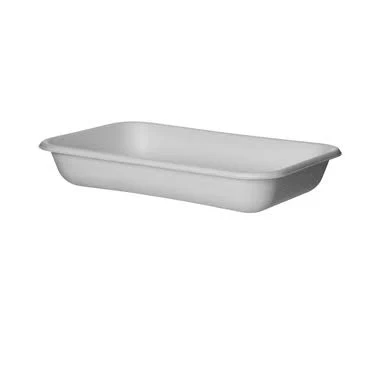
Eco-Products
WorldView Sugarcane Take-Out Containers
- Sugarcane bagasse (post-consumer fiber)
- A third party reports verifying it as PFAS-free
- Cellulose fiber degradation and food contact
2 hazards checked on this product, all on its full breakdown.
More food packaging grades
How we score, every product runs through the same public 0-100 rubric based on materials, coatings, brand disclosure, lab findings, and recalls. See the full methodology → Spotted a mistake? Report an error.