Nourish Molded Fiber Takeout Containers, Compostable, 3 Compartments, 7.9 x 7.9 x 2.9, White, Sugarcane, 200/Carton
Lower PFAS concern. Molded fiber from plant material rarely requires PFAS coatings.
Molded sugarcane fiber containers are inherently low-risk for PFAS because the material does not require water or grease barriers typical of coated packaging. No lab data available, but material composition suggests minimal PFAS risk.
We flunk more products than we pass. This one earned its grade. How we grade
Material
Molded fiber from sugarcane, compostable
Brand disclosure
Brand is silent on PFAS
Lab data
No public lab test
You may also be interested in
Top-graded picks in the categories readers replace first, every one scored on the same rubric.

- polypropylene filter housing, carbon/sediment cartridge
- We found no PFAS statement from the brand
- Bacterial growth in spent cartridges
3 hazards checked on this product, all on its full breakdown.

Aquasure
Premier Series 75 GPD Under Sink Reverse Osmosis Water Filtration System
- RO membrane, carbon filters, stainless steel housing
- We found no PFAS statement from the brand
- Bacterial and microbial growth in housing and filters
4 hazards checked on this product, all on its full breakdown.

Avocado
Vegan Mattress
- organic cotton, natural latex, coconut coir, recycled steel coils
- The brand calls it PFAS-free, which we have not verified
- Heavy metals
2 hazards checked on this product, all on its full breakdown.
What Nourish Molded Fiber Takeout 200/Carton is made of, ingredients and materials
This product is molded fiber manufactured from sugarcane pulp (bagasse), a byproduct of sugar production. Unlike polystyrene foam or plastic containers, molded fiber does not require chemical softeners like phthalates or BPA to achieve its structure; the fiber itself forms the container through heat and pressure. The white color and compostability suggest minimal bleaching relative to virgin pulp products, though industrial whitening agents (typically chlorine dioxide or hydrogen peroxide) are standard in the industry and break down during use.
What’s concerning
Category baseline
The starting point for this type of product, before anything specific to this product is counted.
No PFAS disclosure
No public statement from the brand about PFAS in this product.
Microplastics
Molded fiber can shed fine cellulose particles during handling or if the container degrades. While cellulose is food-grade and non-toxic, physical contamination of food is undesirable. Damage, wetness, or poor storage increases shedding risk; inspect containers before use.
Source, EPA ↗Bacterial or mold growth in porous material
Sugarcane fiber is inherently porous and absorbs moisture. If containers are stored in humid conditions or reused without washing, biofilm and mold can colonize surface crevices. This is a hygiene issue rather than chemical toxicity, but relevant to food safety. Store in cool, dry conditions and do not reuse.
What’s reassuring
Base material not linked to PFAS
The main material recorded for this product is not one associated with PFAS.
Bleaching byproducts and residual chemical oxidizers
Standard molded fiber whitening uses chlorine dioxide or hydrogen peroxide, both of which rinse and degrade during manufacture. No established reports of migration into food from containers or comparable sugarcane-fiber products. FDA recognizes these agents as acceptable in food-contact pulp processing.
Migration of ink or printing pigments
Product description does not specify if printing is present on this container. If ink is used, soy or water-based inks are industry standard for food-contact fiber. No recalls or migration reports are on record for branded molded fiber. Assume inks meet FDA food-contact standards unless marked otherwise.
Adhesives or lamination layers
This molded product does not appear to include plastic lamination or multi-layer bonding; the 3-compartment design is formed as a single molded piece. If compartments are glued, adhesives must be food-safe; The brand does not publicly disclose adhesive chemistry, but compostability claims suggest minimal synthetic binding.
How is this PFAS grade calculated?
The brand's record and disclosure
The brand is a relatively new entrant in sustainable foodservice packaging with no major public safety recalls or controversies on record for this product line. The brand markets compostability and plant-based sourcing prominently but does not publish detailed chemical composition statements or independent third-party safety certifications (e.g., FDA food-contact approval letters) in readily available form. Absence of disclosure is not evidence of hazard, but limits independent verification of migrating substances.
How it compares in its category
Molded fiber containers are considered a lower-chemical alternative to plastic clamshells (which often contain BPA or BPS) and expanded polystyrene (which can shed microplastics). They avoid the heating-related leaching risks of plastics and the ceramic-glaze hazards of dishes. The main tradeoff is that molded fiber is porous and absorbs liquids more readily, which can affect barrier properties and shelf stability but does not introduce new chemical hazards.
If you buy it
Use these containers for room-temperature or warm (not hot) foods; sustained exposure to temperatures above 80°C may degrade the fiber and compromise structural integrity. Do not microwave, as this can weaken the material. For greasy or acidic foods, line the compartments or use within 2-3 hours of filling to prevent saturation and collapse. After use, compost according to local guidelines (industrial composting facilities confirm degradation; home composting timeframes vary).
What is not known about PFAS in this product?
- Basis
- Model estimate, 75% confidence, not a lab result
- Lab test
- None on record for this exact product
- Brand statement
- has made none
Formulations change between production runs, so check the current label. How we grade.
What are the PFAS-free alternatives to Nourish Molded Fiber Takeout Containers, Compostable, 3 Compartments, 7.9 x 7.9 x 2.9, White, Sugarcane, 200/Carton?
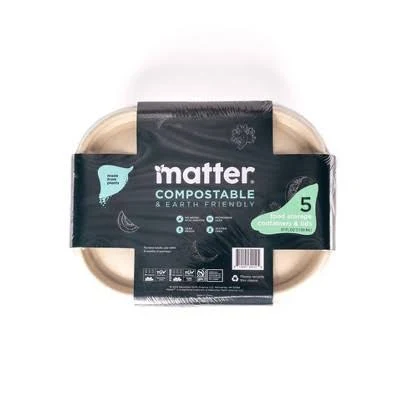
- Plant-based fiber pulp (compostable)
- A third party reports verifying it as PFAS-free
- Microbe/mold growth if stored damp
2 hazards checked on this product, all on its full breakdown.
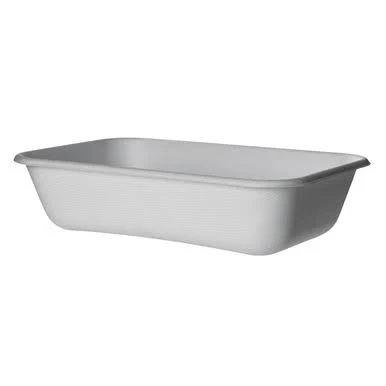
Eco-Products
Eco Products WorldView Compostable Take-Out Containers EP-SCRC32
- Plant-based fiber (compostable sugarcane bagasse)
- A third party reports verifying it as PFAS-free
- Bleaching agents and processing residues
3 hazards checked on this product, all on its full breakdown.
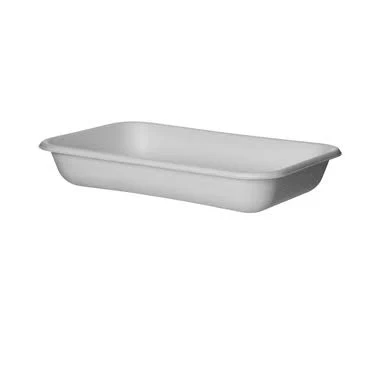
Eco-Products
WorldView Sugarcane Take-Out Containers
- Sugarcane bagasse (post-consumer fiber)
- A third party reports verifying it as PFAS-free
- Cellulose fiber degradation and food contact
2 hazards checked on this product, all on its full breakdown.
More food packaging grades
How we score, every product runs through the same public 0-100 rubric based on materials, coatings, brand disclosure, lab findings, and recalls. See the full methodology → Spotted a mistake? Report an error.